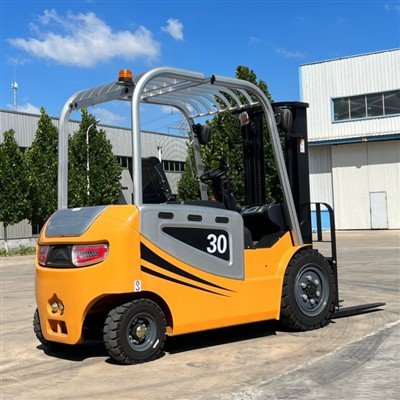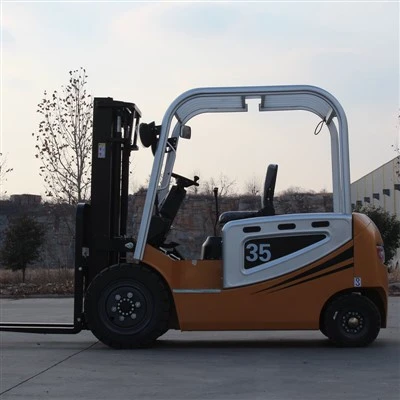
I. Core Names and Classifications of Fuel Forklifts
Fuel forklifts are commonly referred to by the following common names in the industry, each corresponding to a different powertrain type or design features:
1. Internal Combustion Forklift
- The broadest general term, encompassing all forklifts powered by fuel (diesel, gasoline, liquefied petroleum gas).
- Features: High power, long range, suitable for outdoor or high-intensity operations.
2. Diesel Forklift
- Specifically refers to forklifts powered by diesel engines, accounting for over 60% of the fuel forklift market (Source: 2022 Global Forklift Industry Report).
- Advantages: High torque and high fuel economy, commonly used in heavy-duty applications such as ports and construction sites.
3. Gasoline Forklift
- Uses a gasoline engine, resulting in quieter operation than diesel forklifts, but with higher fuel costs.
- Suitable for light to medium-duty indoor operations or temperature-controlled warehouses (such as the food cold chain).
II. The Technical Logic Behind Name Differences
1. Fuel Type Determines Name
- The names of diesel and gasoline forklifts directly reflect the fuel differences, while "internal combustion forklift" is a technical general term.
2. Regional Terminology
- In North America, "LPG forklift" (liquefied petroleum gas) is often used to replace some gasoline models; Europe tends to use more specific names such as "diesel off-road forklift."
3. Derived Terms for Specific Scenarios
- For example, "heavy-duty fuel forklift" specifically refers to diesel models with a load capacity of 5 tons or more (according to ISO 5053), primarily used in the steel and lumber industries.
III. How Should Users Choose a Forklift Based on the Name?
1. Identify the Operating Environment
- For dusty outdoor environments, choose a diesel model; for poorly ventilated indoor environments, choose an LPG model.
2. Focus on Cost Indicators
- Diesel vehicles consume approximately 3-5 liters of fuel per hour (data from the Toyota 8FD series), while gasoline vehicles consume 10%-15% more.
3. Check the certification and standards
- Vehicles that meet CE or EPA Tier 4 emission standards will be labeled "Environmentally Friendly," such as "Tier 4 Diesel Forklift."