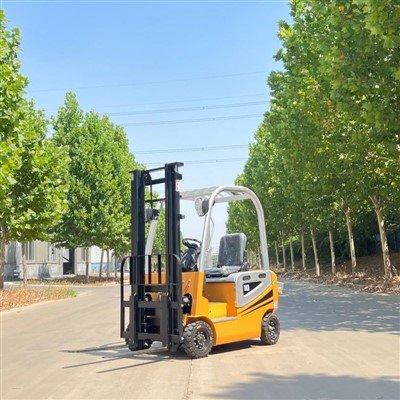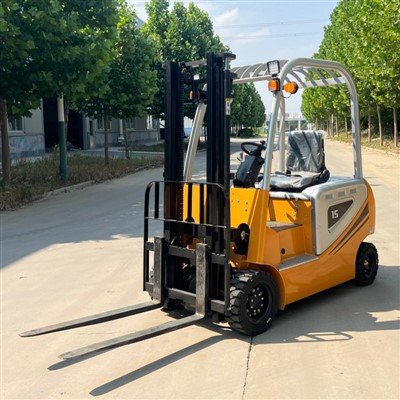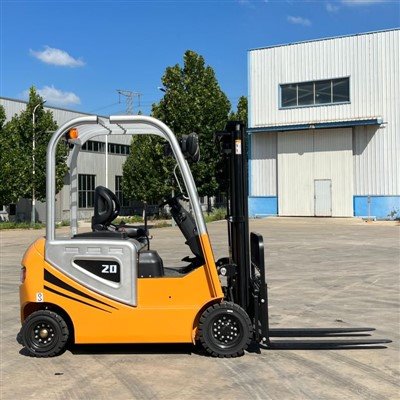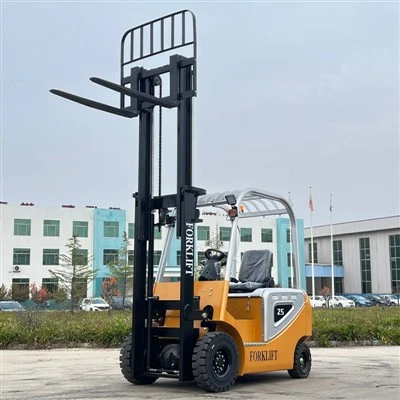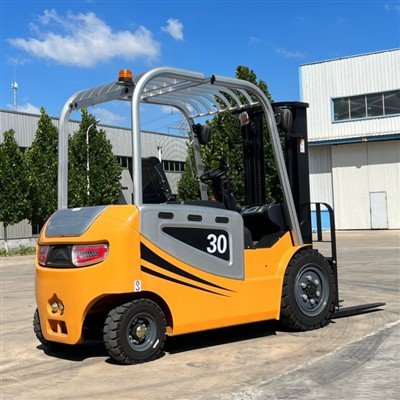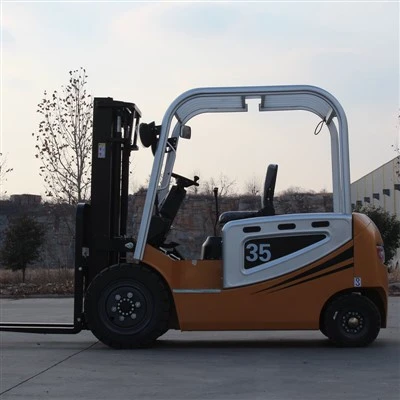
As essential equipment in the logistics industry, fuel forklifts require crucial maintenance. Maintenance not only ensures stable performance and extends the service life of the forklift, but also improves operational safety. Below, we will provide a detailed overview of fuel forklift maintenance.
I. Daily Maintenance
Daily maintenance is the foundation of fuel forklift maintenance and primarily includes the following aspects:
1. Cleaning: Regularly clean the forklift's exterior to remove dust, oil, and other debris. This helps maintain the forklift's appearance and prevents corrosion and wear.
2. Inspection: Inspect all forklift components, including tires, brakes, steering system, and engine, to ensure they are in good working condition and to identify and resolve any problems promptly.
3. Lubrication: Lubricate key forklift parts to reduce wear and friction. This helps improve the forklift's operating efficiency and stability.
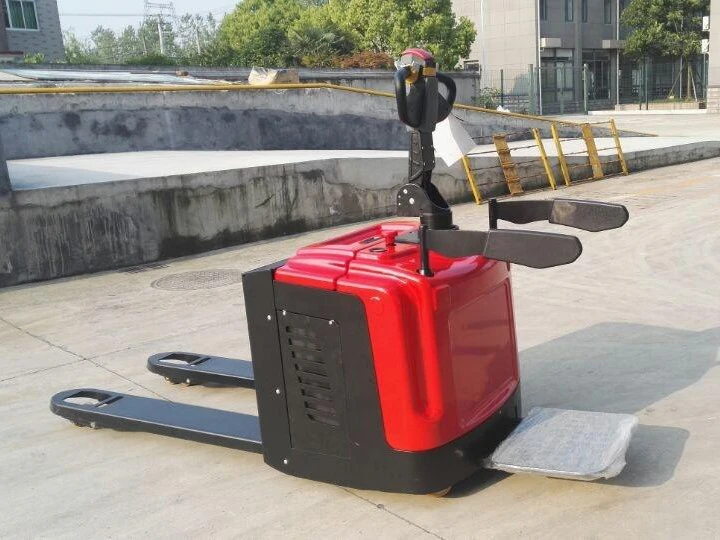
II. Major Maintenance
Major maintenance is a more in-depth forklift maintenance task, typically performed after a forklift has been in use for a period of time. It includes the following:
1. Engine Maintenance: Check and replace the engine oil and oil filter, and clean the engine interior. Inspect the engine's belts, water pipes, and other components to ensure they are intact. This helps maintain stable engine performance and extend its service life.
2. Drivetrain Maintenance: Check and replace the transmission oil and clean the drivetrain. Inspect components such as the drive shaft and bearings to ensure they are functioning properly. This helps improve the forklift's transmission efficiency and driving stability.
3. Hydraulic System Maintenance: Check and replace the hydraulic oil and clean the hydraulic system. Inspect components such as the hydraulic pump and valves to ensure they are functioning properly. This helps maintain the forklift's hydraulic performance and improves the stability and efficiency of lifting and tilting movements.
4. Brake System Maintenance: Check and replace the brake fluid and clean the brake system. Inspect components such as the brake pads and discs to ensure proper braking performance. This helps ensure safe operation of the forklift.
5. Electrical System Maintenance: Check the battery electrolyte level and voltage to ensure they are functioning properly. Check the electrical wiring and connectors to ensure they are intact. This helps maintain the stable operation of the forklift's electrical system and avoids problems caused by electrical failures.
In summary, fuel forklift maintenance encompasses both routine maintenance and major overhauls. Regular inspection, cleaning, adjustment, and replacement of key components ensure stable forklift performance, extend its service life, and improve operational safety. These maintenance tasks not only protect the forklift but also ensure operational efficiency and safety.