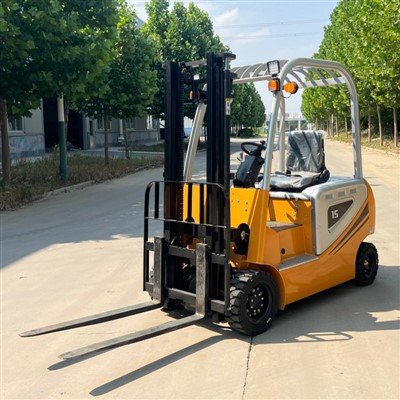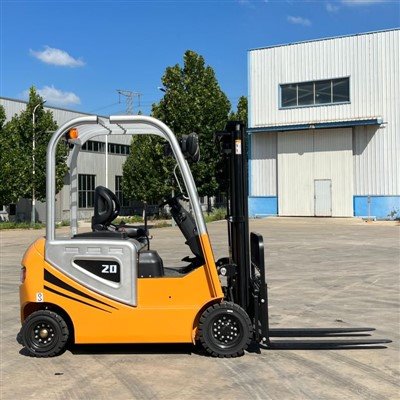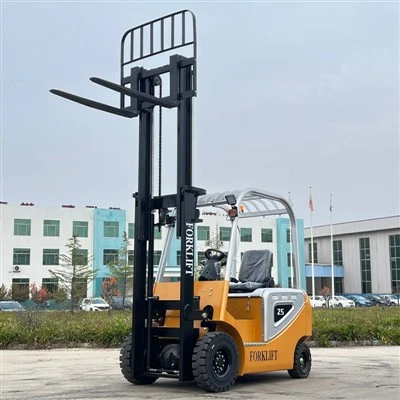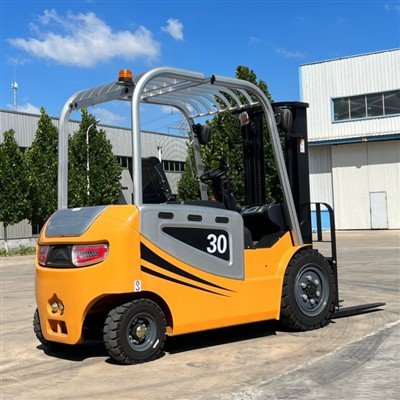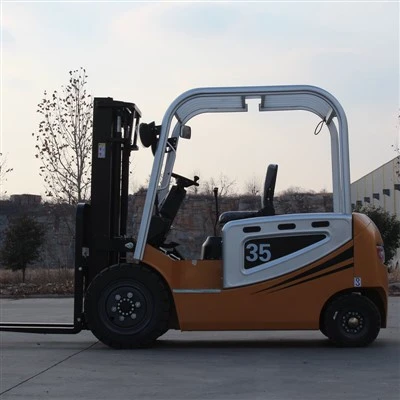
A lithium battery can finish a shift every day while still losing years of service life in the background.
The warning signs build up gradually: runtime becomes unpredictable, and a battery that used to sail through a full shift now hits low-charge limits before the day ends.The default reaction is to blame cell degradation-but that's often the wrong diagnosis.
Before assuming a lithium battery is worn out, look at operational changes around it:Has pallet throughput or average load weight increased? Did the facility add an extra shift or change charge cycles? Is the battery constantly cycling between ambient heat and deep freezers?
A lithium battery can't be evaluated in a vacuum-its lifespan depends entirely on its duty cycle.Extending battery life isn't just about "charging more carefully." It's about identifying where unnecessary operational stress is coming from.
Battery Runtime Is Not the Same as Battery Health
Two forklifts running eight-hour shifts can place completely different stress on their batteries.
One might travel long distances with light loads; the other operates in a dense layout-constantly accelerating, braking, reversing, and lifting heavy pallets. In a 24/7 multi-shift plant, tight charge windows and zero idle time create an even harsher cycle.
This is why operating hours alone are a terrible indicator of battery health.When runtime drops, compare current operational demand against the original duty cycle. If throughput or lift intensity has increased, the battery may be 100% healthy-it simply has less margin for higher workloads.
That distinction is critical:A degraded battery is a maintenance issue.A healthy battery outgrown by its workload is an equipment and workflow issue.Replacing an expensive battery without separating these two problems is a classic, costly mistake.

Avoid Making Deep Discharge the Normal Routine
Lithium-ion batteries excel at opportunity charging, but how you charge them dictates their lifespan.
Just because a forklift can run down to 0% SOC doesn't mean it should. Driving cells to empty as a standard practice wears them out unnecessarily.Consider the lab data on LiFePO4 cells: after 2,000 cycles at 25°C, cells cycled between 20–80% SOC retained 94% capacity, while those pushed 0–100% dropped to 82%.
Real warehouse floors aren't sterile labs, but the principle holds: shallow cycles preserve cell health.If your equipment and charger support it, leverage short charging windows. In a DHL case study published by Crown, brief break-time charging allowed a single lithium truck to effortlessly complete a full two-shift run.
The secret isn't just "charging during breaks"-it's engineering your charging routine around actual shift patterns instead of waiting for the low-battery warning.
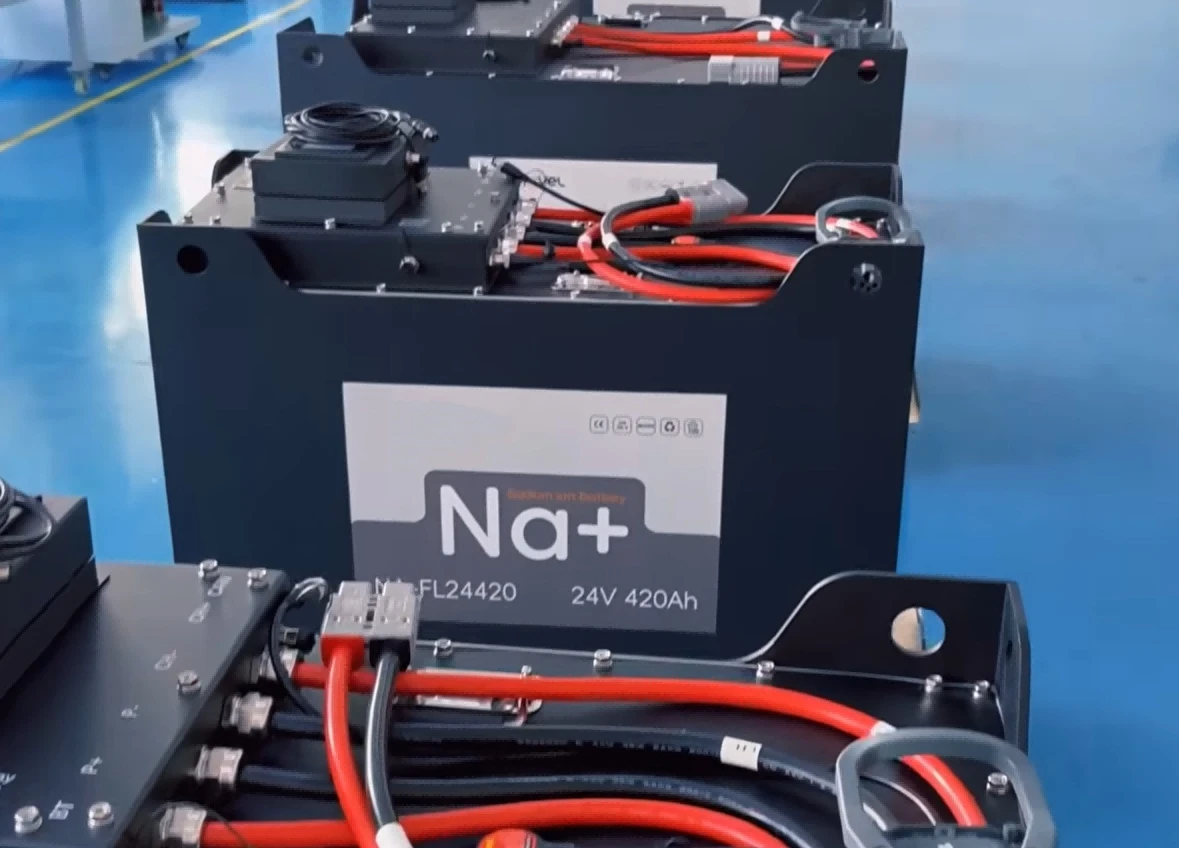
Temperature Can Quietly Shorten Battery Life
Cold storage creates one of the easiest operational mistakes to make.
A lithium battery might discharge perfectly fine at -20°C, but charging it under those same conditions is a totally different story Technical guidelines from Staxx for LiFePO4 systems emphasize that BMS protections will block charging below set thresholds to prevent cell damage-warning explicitly against charging frozen cells.
Here is the real-world trap in freezer operations:When a forklift exits a -20°C freezer, its internal battery core is still frozen. Plugging it in immediately doesn't mean it's actually charging-the BMS will either refuse current or, worse, risk permanent lithium plating if forced.The fix isn't bypassing BMS safety limits or using dangerous DIY heaters. Your charging routine must account for thermal lag.
Depending on your setup, that means allowing cells to warm up naturally, using manufacturer-approved thermal management, or structuring shift rotations around cold-chain workflows. As Toyota points out in their cold-store guidelines, heavy freezer applications require dedicated battery heating systems-not standard charging habits.
No amount of maintenance can undo the permanent damage caused by charging a frozen battery.

Opportunity Charging Only Works When the Whole System Matches
Opportunity charging only works when the battery, charger, BMS, and shift schedule are engineered together.
Take Jungheinrich's case study with Australian retailer Bing Lee: in their high-throughput distribution center, lithium-ion trucks deliver high uptime not just because of the battery chemistry, but because the charging strategy was directly mapped to their workflow.This is especially true for 24/7 multi-shift operations.
A lithium battery might technically support fast charging, but that doesn't mean a generic setup will handle your specific three-shift demand.Before pushing fleet operating hours, ask these key operational questions:
Location & Time: Where will trucks dock, and are break times actually long enough to top up?
Hardware Matching: Are chargers correctly rated, and does the BMS properly talk to the charger?
Workload & Environment: Has throughput grown past initial assumptions, or is ambient heat/cold affecting charge rates?
The answers often reveal that poor runtime isn't battery degradation at all-it's a flawed charging strategy.
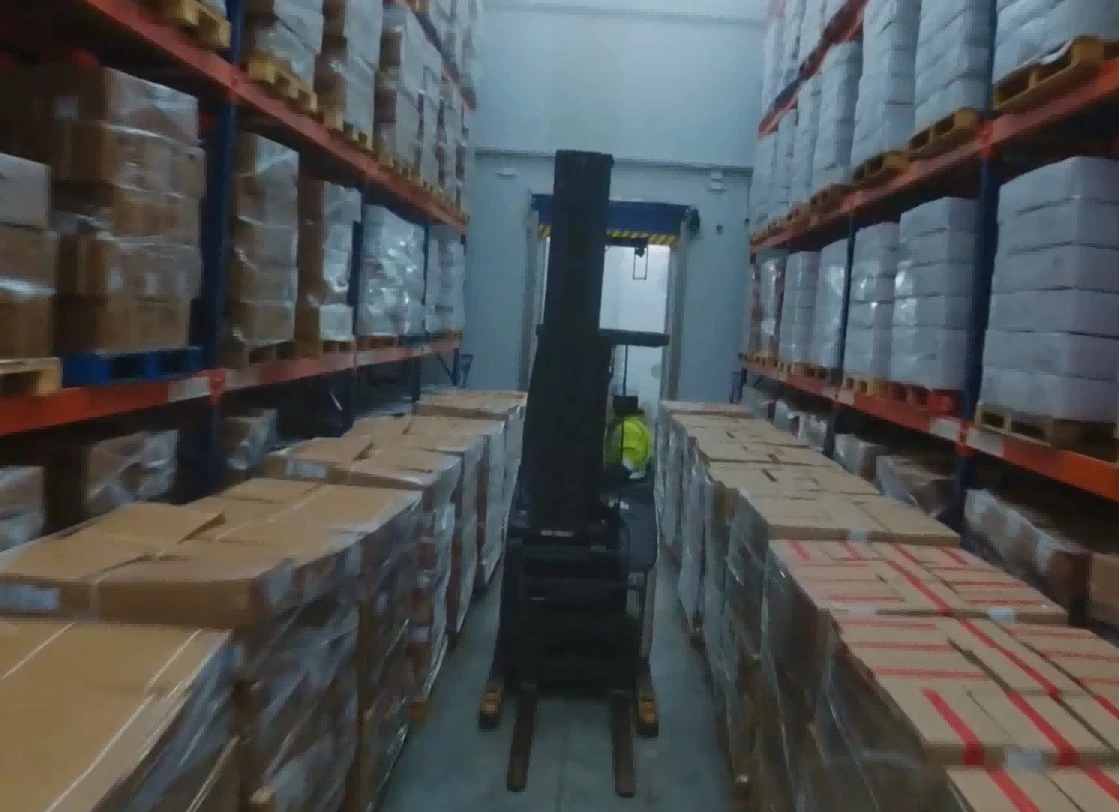
Use BMS Data Instead of Guessing From the Dashboard
A dashboard SOC display tells you how much juice is left in the moment-it tells you almost nothing about long-term battery health.
To truly assess condition, dig into the BMS logs. This is especially vital when inspecting used forklifts, where BMS records reveal cycle counts, thermal spikes, charge habits, fault codes, and deep-discharge history that a clean exterior or hour meter will completely hide.
Don't rely on a single snapshot, track historical trends over time. Look specifically for: Start and end SOC relative to runtime; Daily charge events and duration; Operating hours vs. actual load runtime; Cell temperatures and over-temp alarms; Frequent BMS warnings, low-voltage trips, or protection events.
In diagnostics, patterns beat isolated numbers every time:
Runtime drops only on heavy shifts? Investigate the workload.
Multiple trucks throwing the same code? Inspect your chargers or operator habits.
One battery degrading while others thrive in identical conditions? Now you have a case for a real battery-health assessment.