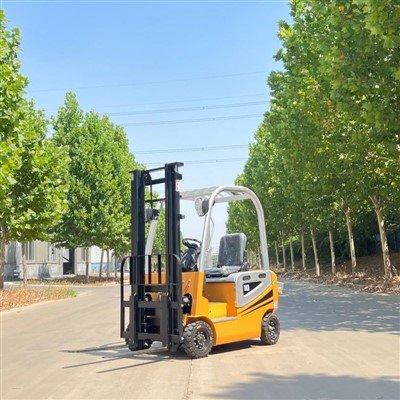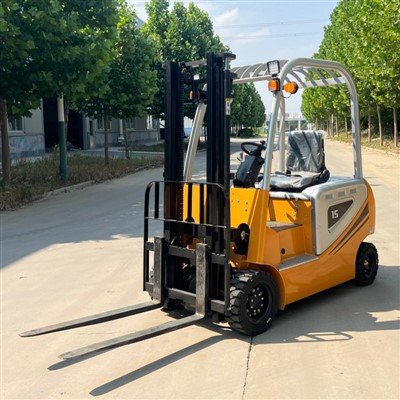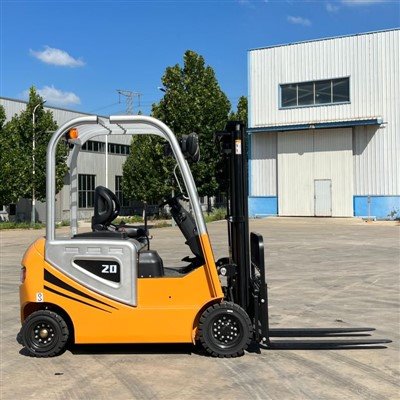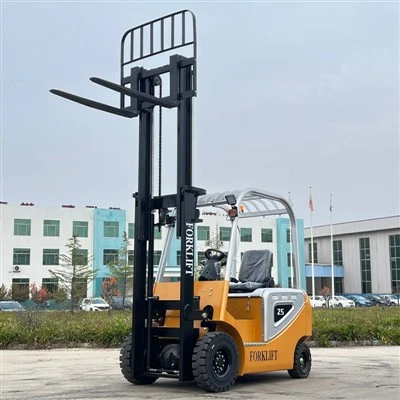
An electric forklift rarely fails all at once.
Often, the early signs are subtle: sluggish acceleration toward the end of a shift, or forks that lift fine empty but struggle under a full pallet. An error code pops up, the operator restarts the truck, and it seems fine again.This is where common troubleshooting fails-because the truck still works, the warning is ignored. A few days later, the fault returns under a heavier load
The real question isn't just "What broke?"It's: What changed, when did it start, and is it still safe to run?
Before Troubleshooting, Decide Whether the Truck Should Keep Running
Operators can handle basic checks, but not every fault is a DIY repair.For non-critical issues, inspect the battery, charging status, fault codes, emergency stop, visible connectors, tires, forks, mast, and obvious hydraulic leaks.However, soft brakes, loose steering, unstable lifting, structural damage, erratic movements, overheating, or high-voltage electrical faults are non-negotiable. Tag the truck out immediately and call a certified technician.
OSHA requires powered industrial trucks that are defective or unsafe to be taken out of service until restored to safe operating condition, with repairs performed by authorized personnel.
Quick troubleshooting isn't about clearing error codes so the truck can limp through another shift-it's about confirming the symptom, logging the data, and making the safety call.
The Forklift Will Not Start
Start with the basics:
Battery charge and connection condition; Emergency stop status; Loose or damaged visible wiring; Display warnings or stored fault codes.If these pass, stop cycling the key-it won't help.
A no-start usually traces back to the battery, control circuit, safety interlock, or main controller. What matters most now is what happened right before it died:Did it fail right after charging? Did it quit after entering a cold storage unit? Did it fade out at the end of a heavy shift?
That exact context is what saves a technician from wasting hours troubleshooting the wrong components.
The Truck Has Power but Will Not Move
A live display does not prove that the drive system is ready to operate.Check the drive control, brake or safety interlock, battery condition and any obvious obstruction. If the truck remains stationary despite normal electrical indications, the cause may sit in the control or interlock system rather than the traction motor itself.
If the fault re-occurs, avoid repeatedly cycling the controls. Instead, log the fault and note the operating conditions.
Acceleration Becomes Weak During the Shift
Timing is often the clue.
A truck that pulls hard at 8 AM but sluggishly by 2 PM points to a very different issue than one that's slow right out of the gate.
Before blaming a bad controller, look at: Battery state of charge and voltage sag under load; Operating temperatures (motor and controller heat buildup); Severe duty cycle or high ambient heat.This is especially critical in multi-shift plants. If power loss only shows up after hours of heavy use, log when it starts, not just that it's slow.
And remember: if a key cycle temporary restores power, the fault didn't fix itself-it just reset a thermal or voltage limit.
The Forks Lift Normally Empty but Slow Under Load
An empty test will lie to you.Forks often travel smoothly without weight, only to choke under a full pallet. Test the lift response using a realistic load within the truck's rated capacity.Watch for three things during the test: Battery voltage drop while lifting under load; Visible hydraulic fluid leaks or pressure bypass; Lift pump motor noise or speed drops.
If the slowness only shows up near full capacity, you're likely dealing with relief valve settings, hydraulic pump wear, or motor current limits-not a total system failure.Stop asking, "Can it lift?"Ask: At what precise weight does it start to struggle?
That single answer prevents tech support from guessing and throwing expensive parts at the wrong problem.
Charging Takes Longer or Runtime Falls
A short runtime doesn't automatically mean a dead battery.Before replacing expensive cells, inspect the charger, plug connections, charge cycles, and operating temperatures.
If your fleet operates in cold storage, pay close attention. Repeatedly moving between freezers and warm zones creates internal condensation, dust buildup, and voltage drops-often mimicking a failing battery or causing intermittent electrical gremlins.
When logging a runtime issue, specify when and where it happens:Immediately after charging, or only near shift-end? Exclusively under heavy hydraulic loads? Only when entering cold storage? On a single truck, or across the whole fleet?Writing "battery weak" on a work order helps no one. Clear operational data gets the right part fixed on the first try.
A Fault Code Is a Starting Point, Not a Diagnosis
This is the most common trap under production pressure:
Controller code? Replace the controller.
Battery warning? Swag in a new battery.
Hydraulic error? Swap the pump.
The truck might run for a day-until the same code comes back.A fault code tells you where to look, not what to replace. Before throwing parts at a recurring fault, check the truck's maintenance logs, operating hours, load history, shift times, and working environment.
If a code follows one specific battery pack, one operator, or one cold room, that pattern is worth ten times more than another system reset.
The Working Environment Changes the Fault
A forklift in a clean warehouse at stable temperature does not experience the same fault conditions as one working in a freezer or dusty production area.
Cold Storage: Rapid temperature swings cause internal condensation, triggering ghostly electrical glitches and false battery drops.
Dust & Humidity: Grime and moisture build up around exposed connectors, leading to intermittent signal loss.
Narrow Aisles: Zero tolerance for soft brakes or steering lag-rack clearances are simply too tight for delayed response.
Heavy Loads: Empty speed tests mean nothing if hydraulic pressure bypasses under actual payload.
Multi-Shift Operations: Shift handovers are often where the diagnostic trail goes cold. If Operator A just writes "cleared error code" and hands off the keys, Operator B loses all the temperature, load, and timing context needed to fix the root cause.
A 162-Forklift Fleet Shows Why Fault History Matters
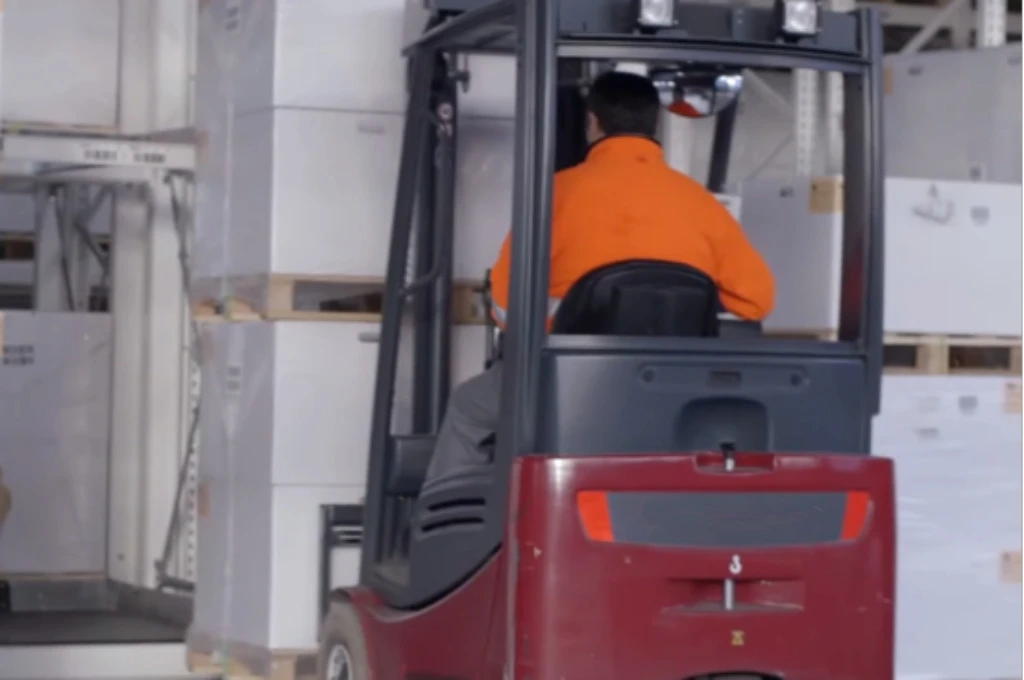
A HOPPECKE case study at a Czech distribution center highlights the power of data. Managing 162 electric forklifts across a 24/7, three-shift operation, they used a central management system to track battery health, charge cycles, and individual unit IDs in real time.
The takeaway for maintenance teams isn't just "they had cool battery tech."It's that large, high-duty fleets cannot troubleshoot without traceability.
When a truck acts up, knowing its exact charge history and operator usage makes it easy to separate a one-off glitch from a fleet-wide component failure. The system succeeded because it prioritized operational uptime and transparent data-not just fixing trucks after they broke down.
When Quick Troubleshooting Should Stop
Follow this simple rule on the floor:
Visible & Non-critical: Check, log, and monitor.
Recurring or Unexplained: Escalate to a certified tech.
Safety-Related: Remove from service immediately.
Stop and call in a specialist for recurring electrical faults, high-voltage work, severe hydraulic leaks, brake/steering issues, structural cracks, overheating, or erratic movement.The right diagnosis requires the right tools-whether that's manufacturer diagnostic software, hydraulic pressure gauges, or battery analyzers.
Trying to force a quick fix on the warehouse floor usually turns a minor component issue into a major, expensive repair.
The Best Troubleshooting Record Is Surprisingly Short
When a fault occurs, log just these key details: Truck ID,Operating Hours ,Shift , Load ,Location , Temperature , Fault Code, Action Taken , Did it return?
Over time, this raw data reveals root causes that isolated repair orders miss:
Fault follows one truck across different batteries? Inspect the truck's wiring or controller.
Fault only happens in freezers? Check environmental seals and thermal limits.
Lifting slows only under heavy loads? Review the duty cycle and hydraulic relief settings.
For older units with endless repairs, compare downtime costs against replacement value. As shown in Toyota's MSI Services case in Belgium-where a fully electric transport fleet (including 15 counterbalanced trucks and 8 powered pallet trucks) has run reliably since 2006-age alone doesn't dictate reliability; maintenance data does.
The goal of troubleshooting isn't just to get the forklift moving again.It's about catching abnormal behavior early, keeping unsafe trucks off the floor, and giving technicians the evidence needed to fix the real problem.
That's how you turn repeated breakdowns into actionable fleet intelligence.