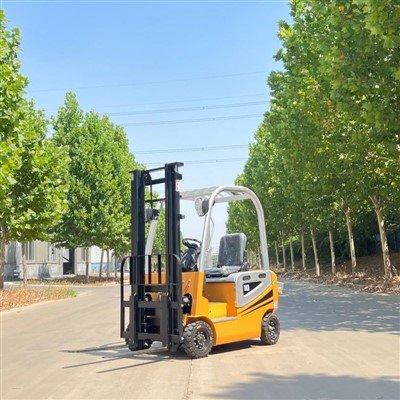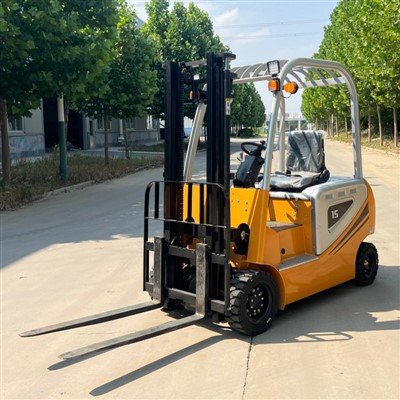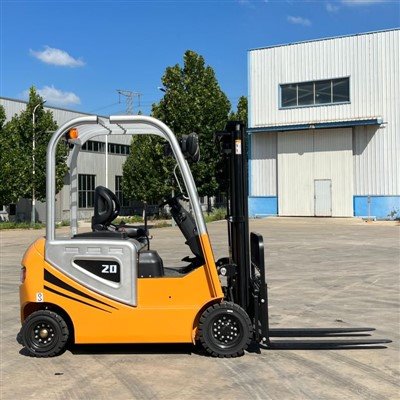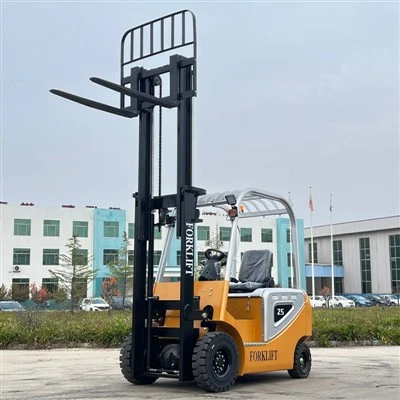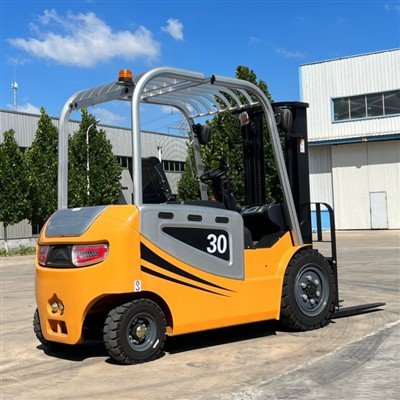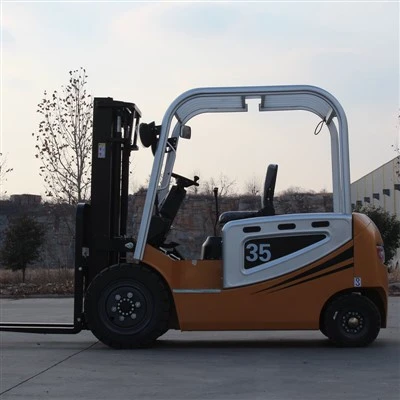
As a commonly used piece of handling equipment in the industrial sector, daily maintenance of electric forklifts is crucial. Proper maintenance not only extends the lifespan of an electric forklift but also ensures safe and efficient operation, reducing the likelihood of malfunctions. The following are key points for daily maintenance of electric forklifts.
1. Exterior Cleanliness
Maintaining a clean exterior of an electric forklift is fundamental to daily maintenance. After each use, use a clean cloth or brush to remove dust, oil, and debris from the forklift's surface. Particularly, areas such as the forks, mast, and chain are prone to accumulation of dirt. Failure to clean these areas promptly can affect their performance. For example, excessive oil on the forks can cause cargo to slip when being picked up, posing a safety hazard. For narrow gaps and corners, use a small cleaning tool to ensure no blind spots are visible. Also, inspect the forklift's exterior for obvious scratches, dents, or damage. Any problems should be recorded and reported promptly for appropriate repairs.
2. Battery Maintenance
The battery is the power source of an electric forklift, so its maintenance is crucial. First, regularly check the electrolyte level. Most electric forklifts use lead-acid batteries. Under normal circumstances, the electrolyte level should be maintained approximately 10-15 mm above the plates. If the level is too low, add distilled water or a dedicated battery refill solution. Never add tap water, as impurities in tap water may affect battery performance and life. Secondly, keep the battery surface clean to prevent dust, electrolyte, and other buildup that could cause a short circuit. During charging, ensure the charging environment is well ventilated to prevent overheating. Also, follow the correct charging method to avoid overcharging or undercharging. Generally, when the battery charge indicator shows less than 20%-30%, it should be recharged promptly. Do not charge for extended periods to avoid damaging the battery. Additionally, regularly deep-discharging and recharging the battery helps activate the active substances on the plates and prolong its life. However, deep-discharging should be done infrequently; generally, every two to three months is sufficient.
3. Tire Inspection
Tires are the components of an electric forklift that come into contact with the ground. Their condition directly affects the forklift's driving safety and stability. During routine maintenance, check the tire pressure for normal operation. Tire pressure requirements may vary for different electric forklift models, so they should be inspected and adjusted according to the vehicle's instruction manual. Excessively high or low tire pressure can lead to increased tire wear and even safety accidents such as blowouts. Also, carefully inspect the tire surface for wear, cuts, or embedded foreign matter. If the tires show minor wear, they can continue to be used, but the wear should be closely monitored. If the wear is severe or there are major cuts, the tires should be replaced promptly to ensure driving safety. Also, check the tire tread depth. Shallow treads can reduce the tire's anti-skid properties, making it more likely to cause skidding and other dangerous situations when driving on slippery roads. Generally, tires should be replaced when the tread depth falls below the specified value.
4. Brake System Maintenance
The brake system is crucial for the safe operation of electric forklifts and requires regular maintenance. Checking the brake fluid level is a crucial part of brake system maintenance. The brake fluid level should be maintained between the upper and lower limits of the brake fluid reservoir. If the level is too low, brake failure may occur. Also, check the brake hose for leaks. If oil stains or leaks are found, replace the hose promptly. Also, check the brake pads for wear. Brake pads are critical components in the braking system and gradually wear out with age. When brake pad wear reaches a certain level, braking performance will significantly decline. Generally, brake pad replacement is necessary when the thickness of the brake pad falls below the specified value. Additionally, regular brake system adjustments should be performed to ensure that the brake pedal travel and force meet requirements, ensuring the braking system is sensitive and reliable.
5. Electrical System Inspection
The electrical system of an electric forklift is complex, including components such as the motor, controller, and wiring and cables. During routine maintenance, check the motor's operation and listen for any unusual noise or vibration. If any motor anomalies occur, stop the machine immediately for inspection, identify the cause, and repair it. At the same time, check the operating status of the controller, ensuring the display screen is functioning properly and that all parameters are within normal ranges. Also, check the wiring and cables for damage, aging, or short circuits. Damage to wiring and cables can cause leakage, leading to safety incidents; aging can affect the performance of the electrical system. Any damaged wiring and cables should be replaced promptly. Additionally, regularly clean dust from the motor and controller surfaces to prevent excessive dust from affecting heat dissipation and potentially damaging the equipment.
6. Lubrication and Maintenance
Regularly lubricating all lubricating areas on an electric forklift can reduce friction between components, minimize wear, and extend the service life of the equipment. The mast, chain, steering knuckle, and other parts of an electric forklift have lubrication points. Regularly apply an appropriate amount of lubricant or grease to these lubrication points according to the vehicle's manual. For example, the mast's guide rails and rollers require regular grease application to ensure smooth mast raising and lowering. The chain also requires lubrication during operation; a specialized chain lubricant can be used for spraying to reduce wear and elongation. During lubrication and maintenance, ensure that the lubrication is evenly applied to avoid missing any areas. At the same time, clean any old oil and impurities from lubricated areas to ensure that newly applied lubricant or grease can fully function.
7. Control System Inspection
The control system is directly related to the ease and safety of operation of an electric forklift. During routine maintenance, check the steering wheel for proper travel. Excessive travel will affect the forklift's steering accuracy, while insufficient travel will make operation difficult for the driver. Generally, steering wheel travel should be within the specified range and can be adjusted by adjusting relevant steering system components. Also, check the travel and return of the brake and accelerator pedals. The brake and accelerator pedals should return flexibly and meet travel requirements to ensure the driver can accurately control the forklift's speed and braking. Additionally, check the proper function of various operating handles and buttons, such as the lift handle and tilt handle, to ensure they are flexible and reliable.