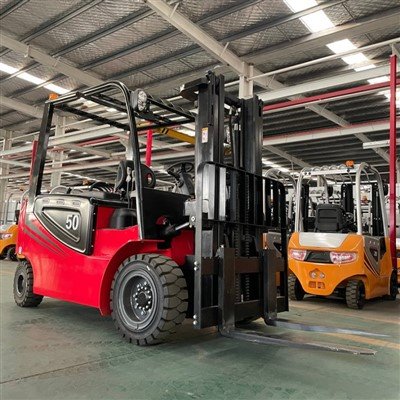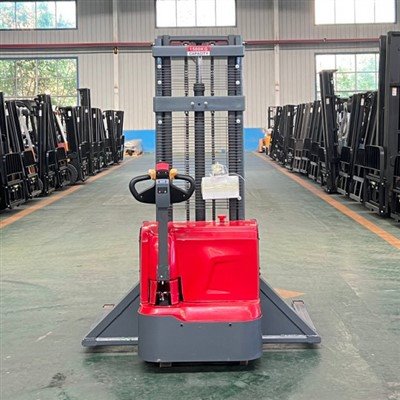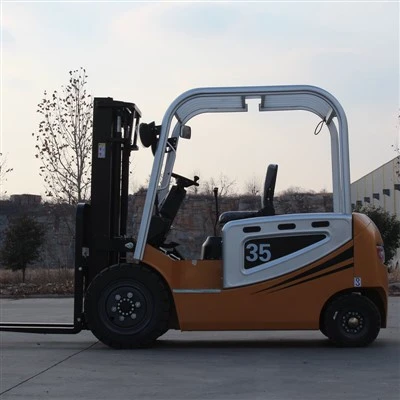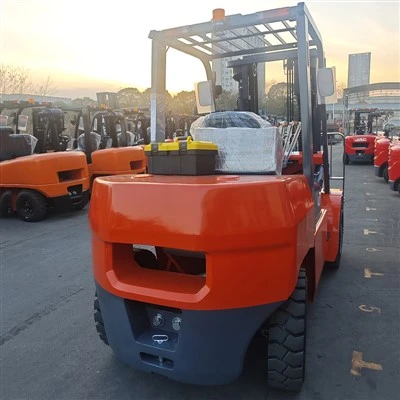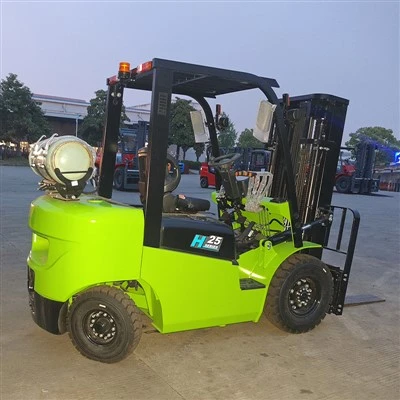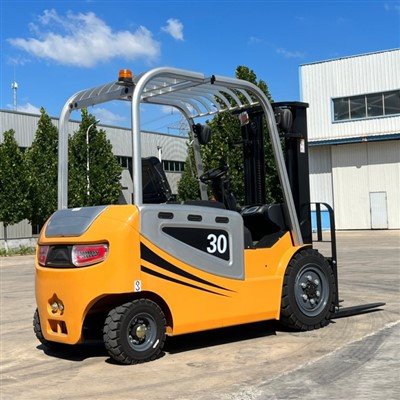

Let's cut to the chase: if you're in the warehouse, construction, or logistics space and rely on heavy-duty electric material handling, you've likely stared at a 5 tons electric forklift on your fleet and wondered, "What's the range of temperatures this thing can actually handle without turning into a paperweight?" I'm Jake, part of the after-sales and product support team at our material handling firm-we've shipped hundreds of these 5-ton models since we launched the line, and I've fielded this exact question at least once a week for the past two years. Most operators focus on lifting capacity or battery life, but temperature limits are make-or-break for uptime, especially if you're working in a freezing cold meat storage facility, a sweltering outdoor construction site in the Middle East, or a dusty warehouse with wonky ventilation. Today, I'm pulling back the curtain on the real operating temperature limits of our 5-ton electric forklift, mixing hard engineering data with the messy, real-world feedback I've picked up from customers.
First, let's get one thing straight: this isn't a one-size-fits-all answer. A 5-ton electric forklift isn't just a scaled-up version of a 1 Ton Electric Forklift or a 1.5 Tons Electric Forklift-its components are purpose-built for heavy loads, which shifts how each part reacts to extreme temperatures. I know, because we used to get questions that would lump all our models together, like "Can I run any of your electric forklifts in -20°F?" Spoiler: the tiny 1-ton model has different lithium-ion packs than our 5-ton workhorses. Let's break down the three core components that drive temperature limits: the battery, the electric motor and drive system, and the hydraulic system that lets you lift 10,000+ pounds like it's nothing.
Starting with the heart of any electric forklift: the battery. Our 5-ton models use two primary battery types, depending on customer needs: lead-acid (for heavy daily cycle work in older facilities) and lithium-iron-phosphate (LFP, for customers wanting faster charging and lower maintenance). For the lead-acid pack in our 5-ton units, the engineered operating temperature range is 32°F to 104°F (0°C to 40°C). I won't get too deep into the chemistry here, but lead-acid batteries rely on a liquid electrolyte that freezes solid below 32°F. When that happens, the ice expands, cracking the battery plates and rendering it useless-we had a customer in northern Minnesota last winter who ran their forklift overnight in a unheated bay, and when they came in to start at 7 a.m., the battery was done. That said, we've found a little wiggle room: if you're only running short 1-2 hour shifts in 20°F (-6°C) weather, you can get away with it, but you can't expect full capacity or long battery life. Above 104°F (40°C), the electrolyte evaporates too fast, corroding internal connections and cutting cycle life by 30% or more, according to our lab tests.
Our LFP battery packs for the 5-ton line have a wider range, thanks to better thermal management systems we designed specifically for heavy-duty use. LFP is more stable than lead-acid, so it can safely operate between -4°F and 122°F (-20°C to 50°C). That range is way more flexible, but it's not unlimited. Last year, we had a construction client in Dubai run their 5-ton electric forklift (with LFP) in 125°F (52°C) weather for two weeks straight, and they started noticing that the battery would only hold a 4.5-ton lift capacity instead of the full 5 tons. The thermal management system was working, but the extreme ambient temp pushed the battery's internal components to their limit, so the forklift's on-board computer throttled power to prevent overheating. That's a safety feature, not a flaw, but it's important to note: even with LFP, running right at the upper limit for extended periods will reduce performance. For context, our smaller models-like the 2 Tons Electric Forklift-have even tighter LFP ranges because their thermal systems are built for lighter loads, but our 5-ton design has extra cooling fans and heat sinks to handle that extra weight.
Next up: the electric motor and drive system, which is what makes this forklift move 10,000 pounds across a warehouse or yard. Our 5-ton models use a 15kW AC traction motor and a 7.5kW hydraulic motor, both with built-in thermal sensors and insulation. The operating temperature range for these motors is similar across all our lines, but the heavy-duty design means they handle heat and cold better than smaller units. For the motor windings and controllers, the sweet spot is 14°F to 113°F (-10°C to 45°C). If it drops below 14°F, the lubricants in the motor's bearings thicken up, making it harder for the motor to spin-you might notice jerky acceleration or reduced top speed. We had a customer in Canada run a 5-ton unit in -2°F (-19°C) weather, and they reported that it took twice as long to move a full load from the rack to the dock, because the motor was working harder to overcome the thick lubricant. Above 113°F, the insulation on the windings breaks down, which can cause short circuits. The good news is that the motor's thermal sensors will shut down the system automatically if it gets too hot, so you won't do permanent damage if you catch it early.
The third piece is the hydraulic system, which is responsible for lifting those heavy loads. This is often the most overlooked component when it comes to temperature limits, because hydraulic fluid's viscosity changes drastically with temperature. Our 5-ton forklifts use anti-wear hydraulic fluid with a designed operating range of 23°F to 122°F (-5°C to 50°C). If it's colder than 23°F, the fluid becomes so thick that the hydraulic pump can't push it through the lines, so you'll get slow, weak lifts-we had one customer in Montana try to lift a 5-ton pallet at 15°F (-9°C), and the forklift could only lift it 6 inches before the pump stalled. On the flip side, above 122°F, the fluid thins out too much, which causes leaks in the seals and hoses. We've had a few customers in Texas summer have to replace hydraulic seals early because they ran the forklift in 128°F (53°C) weather all day, every day, without any shade over the forklift.
Now, let's talk about real-world exceptions, because engineering specs are great, but actual use is messier. For example, if you have a climate-controlled space, you can extend these limits a bit. A customer with a cold storage warehouse who keeps their forklift in a heated break room between shifts can run their 5-ton electric forklift in 0°F (-18°C) for full shifts, because the battery and motor stay warm when not in use. Similarly, a customer with shade over their forklift in a desert warehouse can run it in 130°F (54°C) ambient temp for short periods, as long as they give it 30 minute cool-down breaks every two hours. We've also done custom modifications for extreme environments-like heating elements for the battery in arctic facilities, or extra cooling fans for the hydraulic system in desert locations. That's one of the perks of working with our team: it's not a one-size-fits-all approach.
I should also address a common myth: electric forklifts are better in cold weather than gas or diesel, right? Not always, especially the smaller models. Our 5-ton electric forklift is actually comparable to diesel models in cold weather, because the heavy battery and motor have enough mass to hold heat longer than a tiny 1-ton unit. We tested a side-by-side last winter: a 5-ton electric vs. a 5-ton diesel, both running in 10°F (-12°C) weather. The diesel had to glow-plug for 10 minutes to start, while the electric started on the first try, but the electric's hydraulic system was too thick to lift full loads for the first 20 minutes. The diesel, on the other hand, had the same hydraulic issues, but its engine was still generating heat while idling. So it's a wash-each has pros and cons in extreme cold. In heat, though, electric is definitely better: diesel engines can overheat and shut down if you're working hard in 115°F weather, but our 5-ton electric's thermal management system handles it fine, as long as you don't push the limits.
Another thing that affects temperature limits: how you use the forklift. If you're running it hard, lifting 5-ton loads nonstop, the internal components will get hotter, so the external ambient temp limit is lower. If you're only lifting 2 tons, taking breaks every hour, you can run it at higher or lower temps than the spec. We have a customer in Arizona who uses their 5-ton electric forklift to move pallets of gravel, not just in a warehouse but also on an outdoor yard with no shade, in 118°F (48°C) weather. They only run it for 2-hour shifts, with 1-hour breaks where they park it in a shaded area, and they haven't had any issues-their total lift is around 3 tons, so it's not working as hard as it would at full capacity.
Let's circle back to why this matters for your operation. If you're working outside of those spec ranges, you're not just getting less performance-you're shortening the lifespan of your forklift, which means more repair costs and more downtime. We've seen customers who ran their 5-ton electric forklift in temperatures above 110°F (43°C) year-round have to replace the battery and hydraulic seals at 3 years, instead of the expected 5-7 years. That's a huge cost difference, especially for a heavy-duty unit. On the flip side, if you're working in a cold environment, not preheating your battery or letting it sit outside overnight can kill your battery in a matter of months, not years.
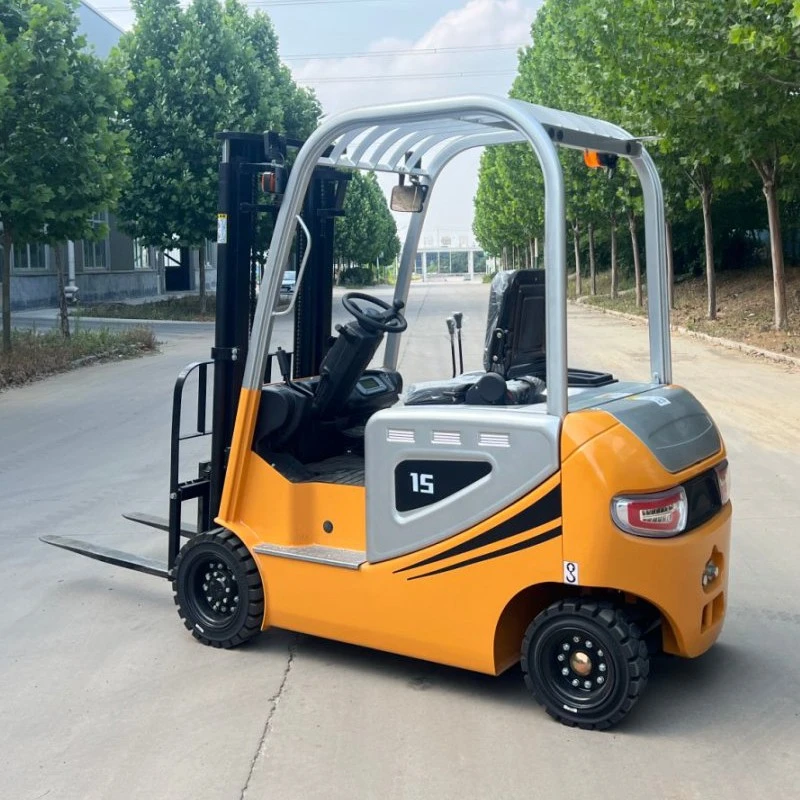
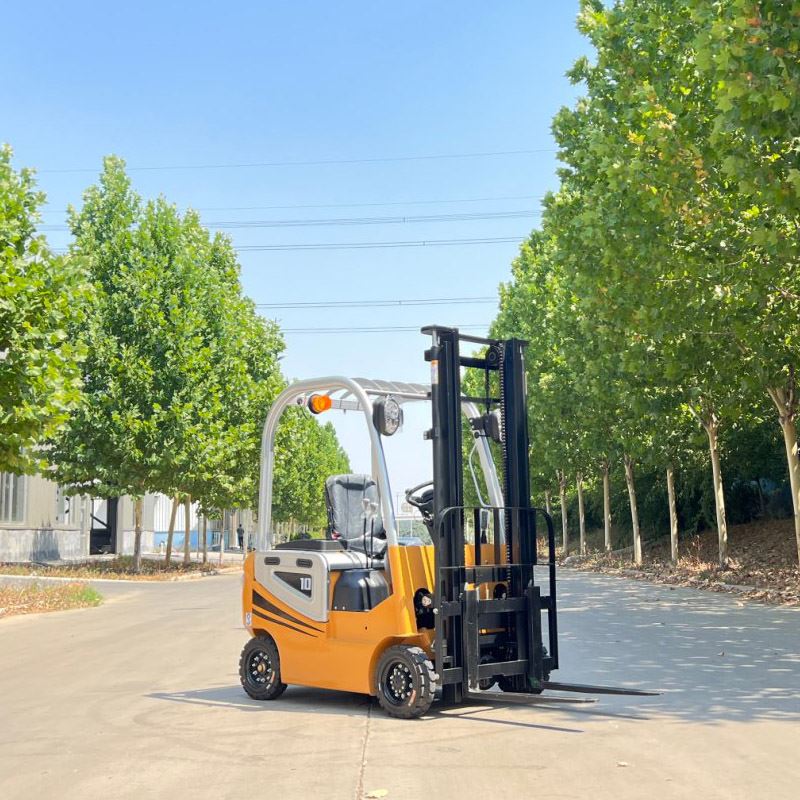
Now, if you're wondering if our 5-ton electric forklift is right for your specific temperature conditions, or if you need a different model, we have options. For example, if you're working in a climate with consistent temperatures below freezing, our LFP-equipped 5-ton units are the way to go, because of their wider temperature range. If you only need a forklift for lighter loads, our 3.5 Tons Electric Forklift has slightly better thermal management for moderate extremes, or our 2 Tons Electric Forklift is perfect for smaller spaces with mild temps. We also have all the smaller models if you're not moving 5 tons: the 1.5 Tons Electric Forklift for smaller loads, or the 1 Ton Electric Forklift for tight warehouse aisles.
At the end of the day, the operating temperature limits of a 5-ton electric forklift aren't just numbers on a spec sheet-they're the difference between a forklift that works for you, and one that's a headache. We've tested these units in labs, in customer facilities, and in extreme environments, and we've learned that following the recommended ranges, plus a little common sense (like parking in shade, letting batteries warm up in cold weather), will keep your forklift running for years. If you're dealing with extreme temps, or if you just want to chat about what model is right for your operation, we're here to help. Reach out to our team to discuss your specific needs and get a customized quote for your electric forklift fleet.
References:
Industrial Truck Association. (2022). Temperature Effects on Electric Forklift Components. Material Handling Industry Report.
Our Engineering Team. (2023). 5 Tons Electric Forklift Thermal Performance Testing. Internal Engineering Whitepaper.
Global Electric Forklift Market Report. (2024). Operating Range and Durability of Heavy-Duty Electric Forklifts. Market Research Future.
International Organization for Standardization. (2021). ISO 18807:2021, Forklifts – Safety and Specifications for Electric Lift Trucks.