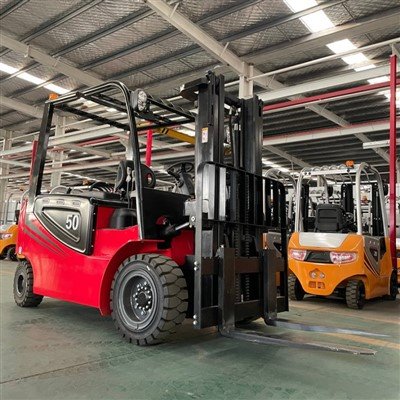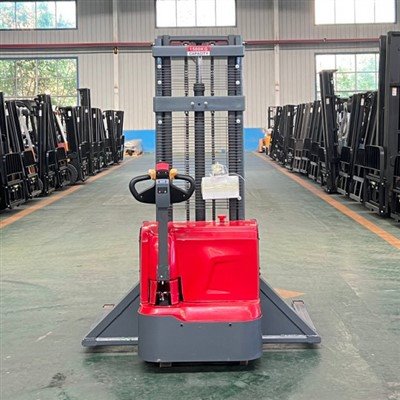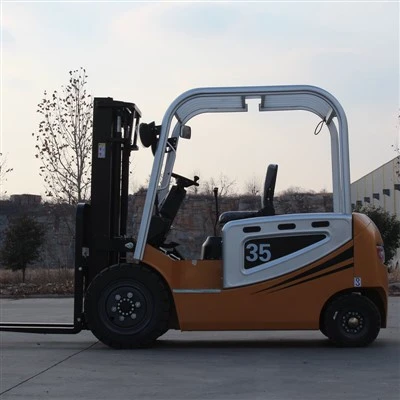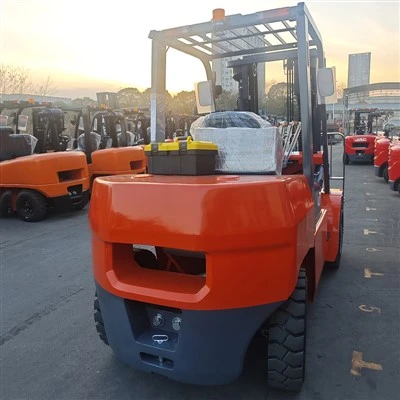

If you're running a small warehouse, distribution center, or even a busy retail stockroom, a 1.5 tons manual stacker is likely one of your workhorses. For a long time, as a supplier who's shipped hundreds of these units across North America and Europe, I've talked to operators who panic when their stacker starts acting up mid-shift. I get it-when you're racing to restock pallets or move inventory across tight aisles, a broken stacker can grind your entire workflow to a halt. But the good news is that most common problems with these machines are easy to troubleshoot yourself, no need for a costly service call. Let's walk through the most frequent issues I see, what's causing them, and how to fix them fast. I'll also share a few tips that'll keep your stacker running for years, plus a peek at our full range of warehouse equipment if you ever need an upgrade.
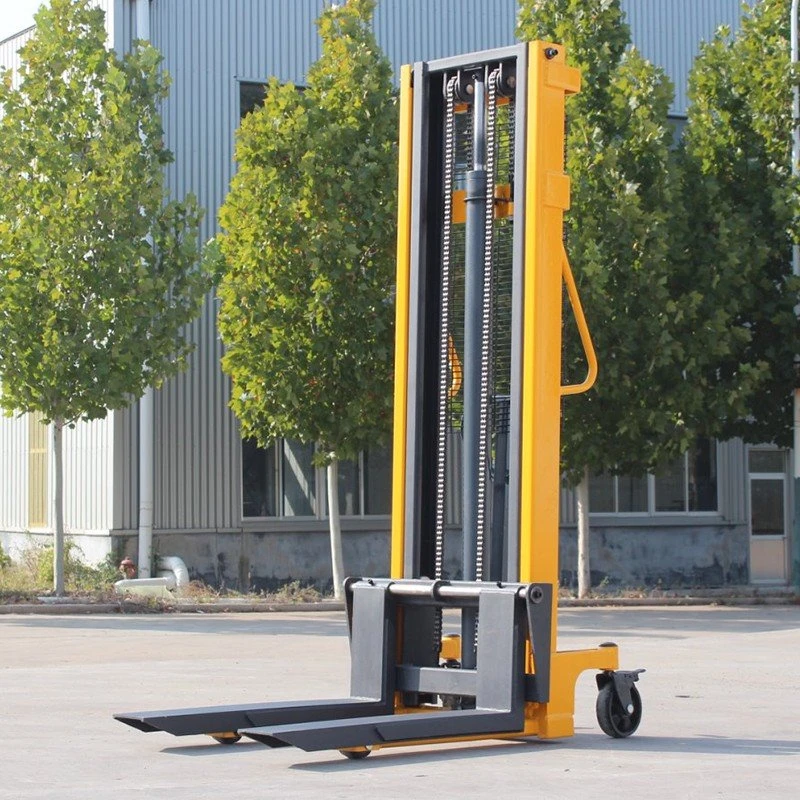
First, let's get to know the 1.5 tons manual stacker a little, because that's the foundation of troubleshooting. Unlike electric or full-stacker models, manual units rely on a hand pump and hydraulic system to lift pallets, which makes them simpler but also means they're more prone to issues from everyday use. That's why when we built our core line, including our popular 1.5 Tons Manual Stacker, we prioritized durable parts that stand up to 8+ hours of daily use. But even with the best parts, wear and tear, or small operator mistakes, can cause hiccups. Let's start with the most common problem: a stacker that won't lift at all, or lifts only partway.
This is by far the issue we hear about most. Last month, a customer in Ohio reached out saying his stacker wouldn't lift a pallet of 500 pounds of bottled water-way under the 1.5 ton capacity, so he knew it wasn't an overloading problem. Turns out, his issue was a simple blockage in the hydraulic line. Here's how to diagnose it: when you pump the handle, it feels either too loose (like there's air in the system) or unusually stiff, and the forks don't rise. The first step is to check if there's a load on the forks when you try to lift-wait, that's a no-brainer, but you'd be surprised how many operators forget they had a pallet loaded earlier and come back to a stubborn stacker. If the forks are empty, the next common culprit is air in the hydraulic cylinder. Over time, as you use the stacker, small amounts of air can seep into the lines, making the pumping action ineffective. To fix this, park the stacker on a flat, level surface, remove any forks or covers to access the hydraulic cylinder, slowly pump the handle 10 to 15 times with the load control valve in the "lift" position, then lower the forks all the way down. This process bleeds the air out of the system. If that doesn't work, check the hydraulic fluid level. Most manuals will tell you how to top it off-just make sure you use the specific hydraulic fluid recommended for your unit, not random motor oil. Last time we mentioned that to a customer, he said he'd been using old engine oil and that was why his pump wasn't working. Oops, that's a common mistake. Another less frequent cause is a blocked intake valve. If there's debris (like dust, pallet splinters, or old hydraulic gunk) clogging the valve that pulls fluid into the pump, you just need to clean it out-unbolt the valve, rinse it with the correct hydraulic fluid, and reattach it. For reference, our 1.5 Tons Wide-legged Stacker has a wider intake screen that catches more debris, so it's a little less prone to this issue, but it's still good maintenance to check every 3 months.
Next problem: forks that won't lower, or lower too slowly. This is a close second on the "most annoying" list, because a stacker with stuck forks is a safety hazard as much as a workflow killer. I once had a customer in Texas tell me his forks were stuck 4 feet in the air, and he couldn't lower them to unload a pallet of appliances. Let's break this down. First, check the load control valve-this is the small lever that you turn to lower the forks. If it's stuck in the closed position, that's why the forks won't go down. You can try gently tapping the valve with a soft mallet (don't use a metal one, you'll scratch or break it) and then turning it back and forth a few times. If that doesn't work, spray a little silicone lubricant on the valve-wait 10 minutes, then try again. Another cause of slow lowering is a worn seal in the hydraulic cylinder. Seals get worn over time from repeated use, and small leaks can make the forks lower unevenly or too slowly. If you notice fluid dripping from the cylinder, that's a sign the seal needs to be replaced. It's a cheap part and easy to swap-just make sure you get the right size seal for your model. A quick tip from our team: if your stacker's forks lower slowly when under load, check that you're not lifting more than 80% of its rated capacity. Even a 1.5 tons manual stacker will struggle if you're pushing it to the absolute max every time, which can put extra strain on the seals and hydraulic system. For those who want less hands-on maintenance than a manual stacker, our 2.0 Tons Semi-Electric Pallet Truck has electric lifting, so it avoids most hydraulic-related issues, though it has its own set of checks we can cover later.
Third common issue: the stacker veers to one side when you're moving a load. This is usually a stability issue, not a broken part, but it's still dangerous-you don't want a full pallet falling over in an aisle, endangering your team and damaging inventory. The first thing to check is the tire pressure. Most manual stackers have solid rubber or polyurethane tires, and over time, they can get worn unevenly or have debris stuck in the tread that makes them unbalanced. Even small differences in pressure between the front and rear tires can make the stacker pull to one side. To fix this, clean the tires thoroughly, check for cuts or excessive wear, and if needed, replace the tire on the side that's veering. Next, check the alignment of the forks. If one fork is slightly lower or off-center than the other, that will throw off the balance of the load. You can adjust the fork alignment by loosening the bolts that attach the fork to the carriage, lining them up evenly (use a tape measure to make sure both forks are the same distance from the center of the stacker), and retightening the bolts. Another thing I always remind operators: make sure the load is centered on the forks. If you stack a pallet with more weight on one side, even a stable stacker will veer. We've all seen someone try to cram a pallet into a tight space and leave a box hanging over one edge-don't do that. It's a quick way to cause a fall. If stability is a constant issue for your team, you might want to look at our 1.5 Tons Wide-legged Stacker model, which has a wider base for better balance, perfect for uneven warehouse floors.
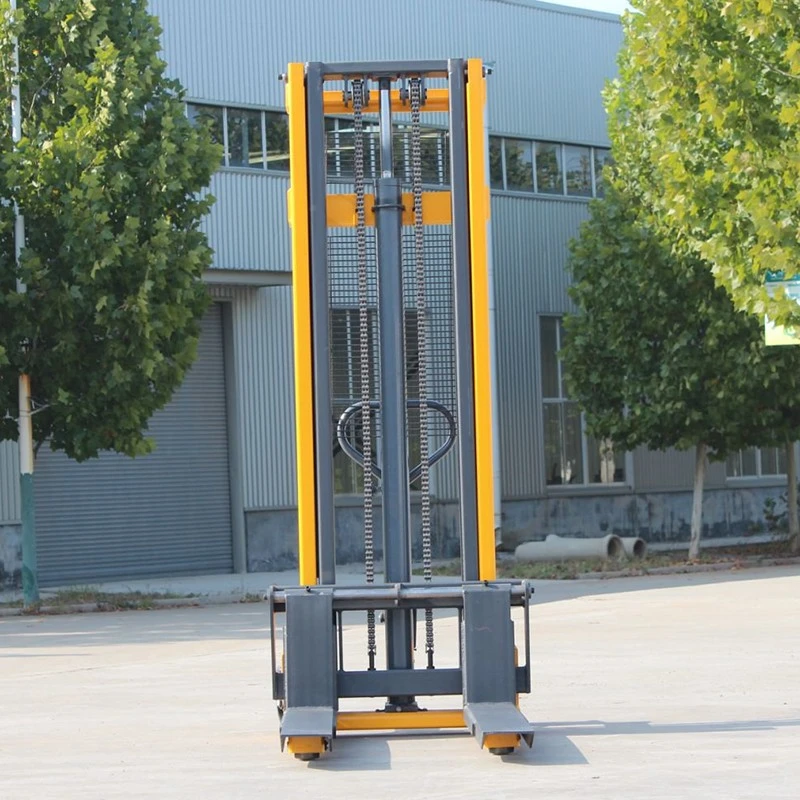
Fourth problem: a wobbly or loose handle. A stacker's handle is what you use to maneuver it, so if it's loose or wobbly, it's not just uncomfortable-it can lead to accidents or damage to the stacker. The most common cause is worn pivot pins or bolts. Over time, the pins that connect the handle to the main body of the stacker can get loose, or the pins themselves can get worn down from use. To check this, stand behind the stacker and gently move the handle back and forth-if it moves more than a half-inch, that's a sign the pivot pins need to be tightened or replaced. You'll need a wrench to tighten the bolts on the pivot pins, and if the pin itself is worn, it's a simple fix to replace it (we keep replacement pins in stock for all our models, including the core 1.5 Tons Manual Stacker line). Another less common cause is a loose mast. The mast is the part that holds the forks up, and if the bolts that attach the mast to the base of the stacker come loose, that can make the whole unit feel wobbly, especially when lifting heavy loads. A quick check: get on the side of the stacker and gently push the mast forward and backward-if it moves, tighten the mast bolts. Always make sure the stacker is on a flat surface when you do this, or you'll get a false reading.
Now, let's talk about some less common but still important issues that I see from time to time. For example, the stacker won't roll at all, even when the handle is in the "drive" position. This is usually a brake issue. Most manual stackers have a small brake that engages when you release the handle, to keep the stacker from rolling when it's not in use. If the brake is stuck, you can try pulling the release lever (usually near the handle) a few times sharply, or cleaning the brake pad to remove any debris that's causing it to stick. If that doesn't work, the brake might need to be adjusted-there's usually a small nut near the brake mechanism that you can turn to loosen or tighten it. Another issue: forks that have trouble staying in the raised position. If you pump the stacker up and it slowly lowers on its own, that's usually a worn hydraulic seal or a leak in the system, which we covered earlier, but it can also be a faulty load control valve. If you've checked the fluid level and bled the air, and it's still leaking down, the valve is probably the culprit. It's a simple part to replace, and most operators can do it in 10 minutes with basic tools.
The key to avoiding most of these issues is regular maintenance. I always tell our customers that a 10-minute check every week is way better than a 2-hour repair when something breaks mid-shift. Here's my quick maintenance checklist for manual stackers: First, before each use, give the tires a quick look to make sure there's no debris or cuts, and test the brakes. Then, every month, check the hydraulic fluid level and top it off if needed, clean the load control valve, and tighten all bolts and pins. Every quarter, do a full bleed of the hydraulic system and inspect all seals for leaks. For those who use their stacker every day (like in a 24/7 warehouse), I recommend doing these checks twice a month. If you're looking to upgrade to a model with less manual labor, our lineup has options for every need. For example, if you want electric lifting and manual maneuvering, our 2.0 Tons Semi-Electric Pallet Truck eliminates the tiring hand pumping, while our 1.5-2 Tons Lithium Pallet Truck has lithium-ion batteries that last longer and need less maintenance than lead-acid models. For higher lifting needs, our 1.5-2.0 Tons Electric Pallet Stacker 3-Stage Mast can lift pallets up to 20 feet, perfect for tall racking in larger warehouses.
I know troubleshooting can feel overwhelming, especially if you're dealing with a busy shift and need to get back to work fast. The best part is that 90% of the problems with a 1.5 tons manual stacker are fixable without calling a professional. But if you run into an issue that you can't figure out, or if you're looking to purchase a new stacker to replace a worn one, our team is here to help. We've been in the warehouse equipment business for years, and we know exactly what works for small businesses and large operations alike. We offer competitive pricing, fast shipping, and 24/7 support for any questions you have about our products. Whether you need parts for your current stacker or want to learn more about upgrading, we're ready to help you find the right solution for your needs.
References:
Warehouse Equipment Maintenance Guide, Material Handling Industry Association, 2023.
Operator Manual for 1.5 Tons Manual Stacker, [AB Equipment], 2024.
Common Troubleshooting Tips for Manual Material Handling Equipment, Global Warehouse Solutions, 2023.