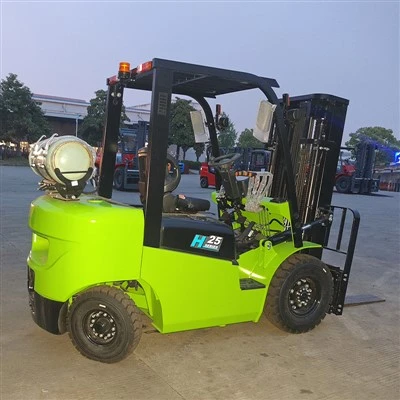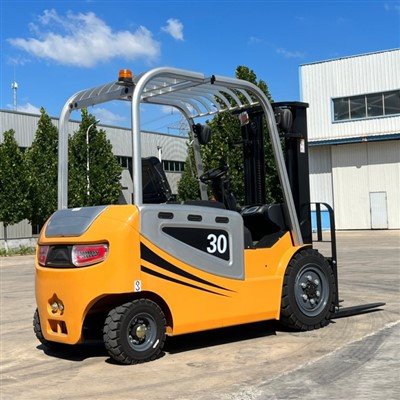

As a seasoned supplier of electric forklifts, I often encounter inquiries from customers about the feasibility of long - term continuous operation of electric forklifts. This question is crucial for businesses that rely heavily on forklifts in their day - to - day operations, such as warehouses, distribution centers, and manufacturing plants. In this blog, I will delve into the factors that affect the long - term continuous operation of electric forklifts and provide insights based on my experience in the industry.
Understanding the Basics of Electric Forklifts
Before discussing long - term continuous operation, it is essential to understand the basic components and working principles of electric forklifts. Electric forklifts are powered by batteries, which supply energy to the electric motors that drive the forklift's movement and power its hydraulic systems. These forklifts offer several advantages over their internal combustion engine counterparts, including lower emissions, quieter operation, and reduced maintenance requirements.
Factors Affecting Long - Term Continuous Operation
Battery Capacity and Charging
The battery is the heart of an electric forklift. Its capacity and charging capabilities significantly influence the forklift's ability to perform long - term continuous operation. The battery capacity is measured in ampere - hours (Ah), and a higher Ah rating generally means longer operating time between charges. However, it's important to note that factors such as the forklift's load, driving speed, and frequency of lifting operations can also affect battery consumption.
For example, if a forklift is constantly carrying heavy loads or performing frequent lifting and lowering operations, the battery will drain more quickly. To ensure long - term continuous operation, businesses need to carefully choose forklifts with appropriate battery capacities based on their specific operational requirements. Additionally, having a proper charging strategy is crucial. Fast - charging batteries can reduce downtime, allowing the forklift to return to work more quickly.
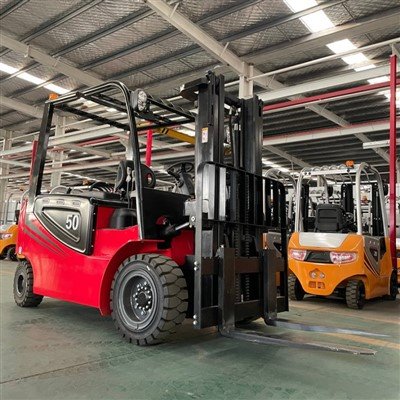
We offer a wide range of electric forklifts with different battery capacities to meet various customer needs. For instance, our 1 Ton Electric Forklift is suitable for light - duty applications with relatively low battery consumption, while the 5 Tons Electric Forklift is designed for heavy - duty tasks and comes with a larger battery capacity.
Thermal Management
During long - term continuous operation, electric forklifts generate heat, especially in the motors and battery. Excessive heat can damage components and reduce the efficiency of the forklift. Therefore, effective thermal management is essential. Most modern electric forklifts are equipped with cooling systems to dissipate heat and maintain optimal operating temperatures.
Proper ventilation in the working environment also plays a significant role in thermal management. If the forklift operates in a poorly ventilated area, the heat will accumulate, potentially causing damage to the components. Regular maintenance of the cooling systems is necessary to ensure their effectiveness. For example, checking and cleaning the cooling fans and radiators can prevent overheating.
Component Durability
The durability of the forklift's components is another critical factor for long - term continuous operation. High - quality motors, controllers, and hydraulic systems are less likely to fail during extended use. At our company, we source components from reputable manufacturers and subject our forklifts to rigorous quality control tests to ensure their durability.
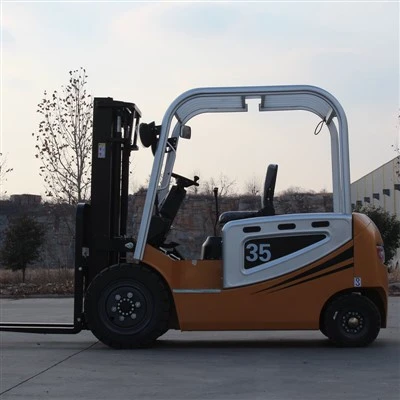
For example, our 3 Tons Electric Forklift is built with robust motors and hydraulic systems that can withstand the demands of continuous operation. The use of high - grade materials in the construction of the forklift frame and forks also enhances its overall durability.
Operator Training
The skills and knowledge of the operators can have a significant impact on the forklift's long - term performance. Properly trained operators are more likely to operate the forklift efficiently, reducing unnecessary wear and tear on the components. They understand how to use the forklift's features effectively, such as adjusting the speed and load capacity according to the task at hand.
We provide comprehensive operator training programs to our customers. These programs cover all aspects of forklift operation, including safety procedures, energy - saving techniques, and basic maintenance. By ensuring that the operators are well - trained, businesses can extend the lifespan of their electric forklifts and improve their operational efficiency.
Advantages of Long - Term Continuous Operation of Electric Forklifts
Despite the challenges, there are several advantages to using electric forklifts for long - term continuous operation.
Cost - Savings
In the long run, electric forklifts can be more cost - effective than internal combustion engine forklifts. They have lower fuel costs, as electricity is generally cheaper than diesel or gasoline. Additionally, the maintenance requirements of electric forklifts are relatively lower, as they have fewer moving parts and do not require oil changes or exhaust system maintenance.
Environmental Friendliness
Electric forklifts produce zero emissions during operation, making them an environmentally friendly choice. This is particularly important for businesses that operate in indoor environments, such as warehouses, where air quality is a concern. Using electric forklifts can help businesses meet environmental regulations and reduce their carbon footprint.
Improved Productivity
With proper planning and maintenance, electric forklifts can operate continuously without significant downtime. This leads to improved productivity, as there are fewer interruptions in the material handling process. For businesses with high - volume operations, this can result in significant time and cost savings.
Strategies for Long - Term Continuous Operation
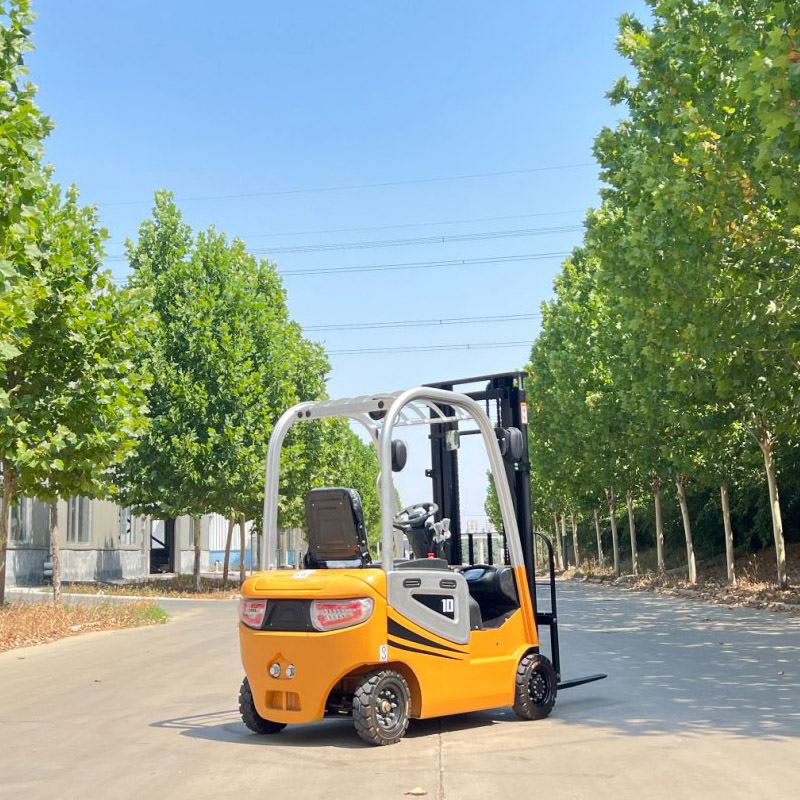
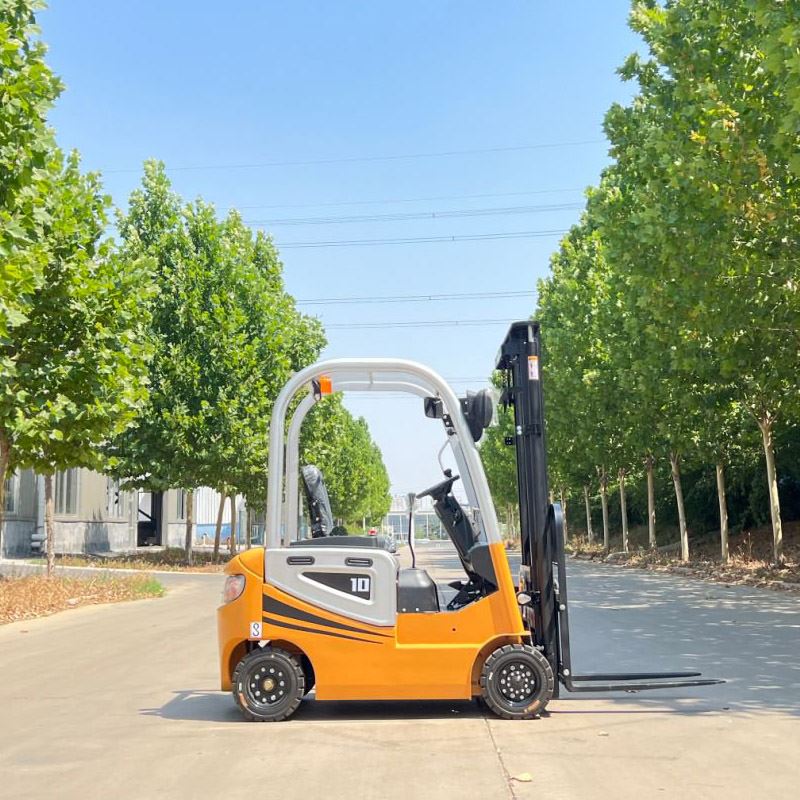
To ensure the successful long - term continuous operation of electric forklifts, businesses can adopt the following strategies:
Battery Management
Develop a battery - charging schedule based on the forklift's usage pattern. For example, if the forklift is used for an entire shift, consider having a second battery ready for a quick swap. This allows the forklift to continue operation while the depleted battery is being charged. Regularly monitor the battery's state of charge and health to detect any potential issues early.
Preventive Maintenance
Implement a preventive maintenance program for the forklifts. This includes regular inspections, lubrication, and component replacements as recommended by the manufacturer. By addressing minor issues before they become major problems, businesses can minimize downtime and extend the lifespan of the forklifts.
Load Management
Train operators to manage the load properly. Overloading the forklift can not only cause damage to the components but also increase battery consumption. Ensure that operators are aware of the forklift's load capacity and follow the guidelines when handling materials.
Contact for Purchase and Consultation
If you are considering using electric forklifts for long - term continuous operation, we are here to help. Our team of experts can provide you with detailed information about our products, including the 2 Tons Electric Forklift and 4.5 Tons Electric Forklift. We can also assist you in choosing the most suitable forklift for your specific operational needs and develop a customized solution for your business. Whether you need a single forklift or a fleet, we are committed to providing you with high - quality products and excellent customer service. Don't hesitate to reach out for further discussion on your procurement requirements.
References
- "Forklift Safety Guide", Occupational Safety and Health Administration (OSHA)
- "Electric Forklift Technology Handbook", industry research publication
- "Best Practices for Material Handling Equipment Operation", logistics and supply chain management literature