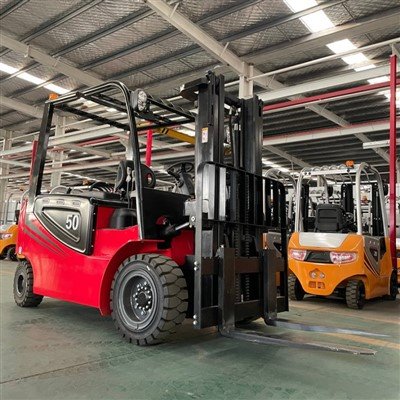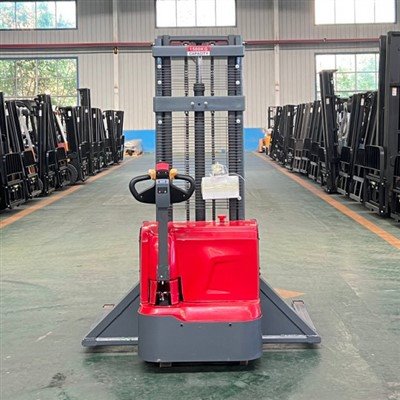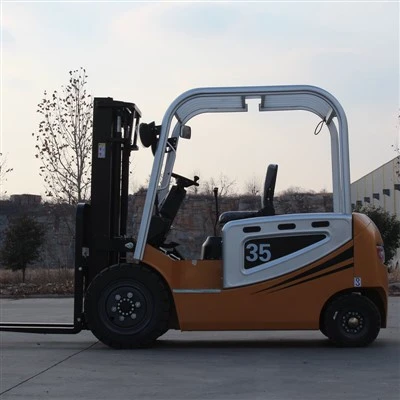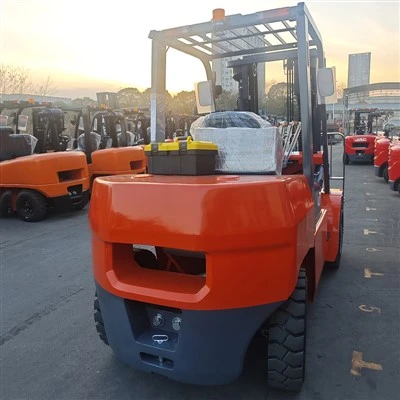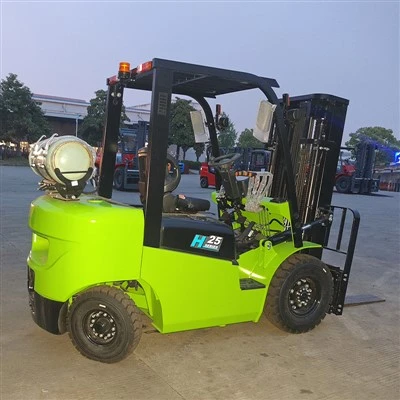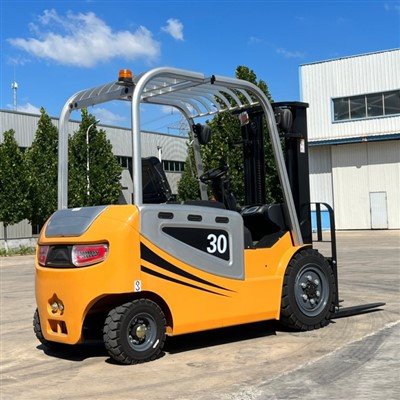

Hey there, if you're here because you've got an electric forklift (or a whole fleet of 'em) and you're stuck on how to store its battery when it's not in use-you're in the right spot. I've been selling electric forklifts for years now, and let me tell you, the number of questions I get isn't about lifting pallets or navigating narrow aisles-it's about keeping those batteries healthy. I've seen guys cut their battery life in half because they stored it wrong, and others get 5+ years out of a single pack like it's no big deal. It's all about the small, consistent steps. So let's dive in, no boring jargon, just real stuff I've picked up from technicians and customers across the country.
First off, let's get one thing straight: storing an electric forklift battery isn't the same as shoving your phone in a drawer and forgetting about it. These aren't little lithium-ion AAAs-they're heavy, powerful, and sensitive to temperature, charge levels, and even how you park the forklift when it's not moving. Whether you've got a compact 1 Ton Electric Forklift for small warehouse runs or a beefy 6 Tons Electric Forklift for loading shipping containers, the battery care basics don't change, but the details do. I've had customers with 1 Ton Electric Forklift batteries that live in the back of a utility closet, and those with 5 Tons Electric Forklift packs that sit outside semi-permanently-spoiler: the small ones usually do better if they're stored right.
Let's start with the non-negotiable stuff before you even unplug the battery. Most forklift operators just pull the key, yank the battery, and call it a day-but that's where mistakes happen. First, you've got to do a quick charge check. I always tell folks: don't store a fully charged battery, and don't store a dead one either. Lithium-ion (which is what 90% of new electric forklifts use now) and lead-acid (still common in older models) both hate being at 100% charge for weeks on end, and they hate being at 0% even more. The sweet spot? Around 40-60% charge. Why? Because lithium-ion batteries have something called "self-discharge" - even when not in use, they lose a tiny bit of charge every day. If you leave it at 100%, that extra voltage stresses the cells over time; if you leave it at 0%, the cells can die permanently from being fully discharged. For example, a customer of mine with a 3 Tons Electric Forklift tried storing his battery at full charge for a month and a half-by the time he came back, it only held 20% of its original capacity. Total waste, and he had to buy a new pack way sooner than he should have.
Next up, temperature. This is a big one I see missed all the time. Batteries hate extreme heat and cold. If you're storing your forklift outside in the middle of Arizona summer, where it's 105°F during the day, that's a disaster-high temps speed up chemical reactions inside the battery, which wears out cells fast. On the flip side, storing it in a frozen warehouse or a unheated garage in Minnesota winter (below 32°F) kills charge retention. The ideal storage temp? Between 50°F and 80°F (10°C to 27°C). If you can swing that, you're already ahead of 70% of the people I talk to. For folks who don't have a climate-controlled space-like small business owners with a 2.5 Tons Electric Forklift that has to sit outside overnight-here's a quick hack: cover the battery with a thick, insulated blanket (the kind used for moving furniture works) to buffer against big temp swings. It's not perfect, but it's way better than nothing.
Then there's physical care. Batteries are heavy-we're talking hundreds of pounds for larger models-and they're fragile. Before storing, you've got to clean them. Dirt, dust, and even leftover fluid (from lead-acid, though lithium is sealed) can trap moisture, leading to corrosion or short circuits. Use a dry or slightly damp microfiber cloth to wipe down the terminals, the top of the battery, and the area around where it connects to the forklift. Don't use a pressure washer-too much water can get into the sealed areas and cause issues. Also, make sure the terminals are tight but not over-torqued; loose connections can drain the battery while it's in storage, and too tight can strip threads. Another pro tip: if you're storing the forklift for more than a month, disconnect the battery terminals (after making sure it's at that 40-60% charge, of course) to stop any tiny parasitic drain from the forklift's electronics. I once had a customer with a 6 Tons Electric Forklift that sat unused for two months-he didn't disconnect the terminals, and the battery died so bad it wouldn't take a charge when he came back. We had to replace the whole pack, and that was a costly mistake he never repeated.
Now, a big question I get all the time: should I remove the battery from the forklift when storing it? It depends on how long you're storing it. If it's just a week or two, no need-leave it in the forklift, park it on level ground, and turn the key off. But if you're storing it for a month or more, take the battery out. Why? Because even when the forklift's off, there's still a tiny amount of power being used by things like the clock, the lights, or the control module. Pulling the battery eliminates that tiny drain, which is crucial for long storage. When you do take it out, set it on a flat, sturdy surface (never on dirt or concrete-those can be damp and lead to corrosion) in a dry spot. Don't stack anything on top of it, and keep it away from tools or other heavy items that could scratch or crack the casing.
Wait, what about charging it while in storage? That's another common question. For short storage (under a month), you don't need to charge it at all-your initial 40-60% charge is enough. But if you're going to store it for more than a month, you've got to check the charge every 2-3 weeks. Pop on the forklift (or use a battery meter if you removed it) and see where it's at. If it's dropped below 30%, give it a quick top-up to get back to 40-60%-don't do a full charge, just a quick top-off. This is extra important for lead-acid batteries, which can sulfate (form hard crystals on the plates) if they're left discharged for too long. Sulfation is irreversible, so that's a quick way to kill a battery. For lithium-ion, it's less common, but still bad for long-term health. A lot of new forklift owners don't realize that self-discharge isn't just a lithium thing-lead-acid loses charge too, just a bit slower. For example, a lead-acid battery might lose 2-3% of charge a week, while lithium is around 1-2%, so checking every 2 weeks is enough, not more frequent.
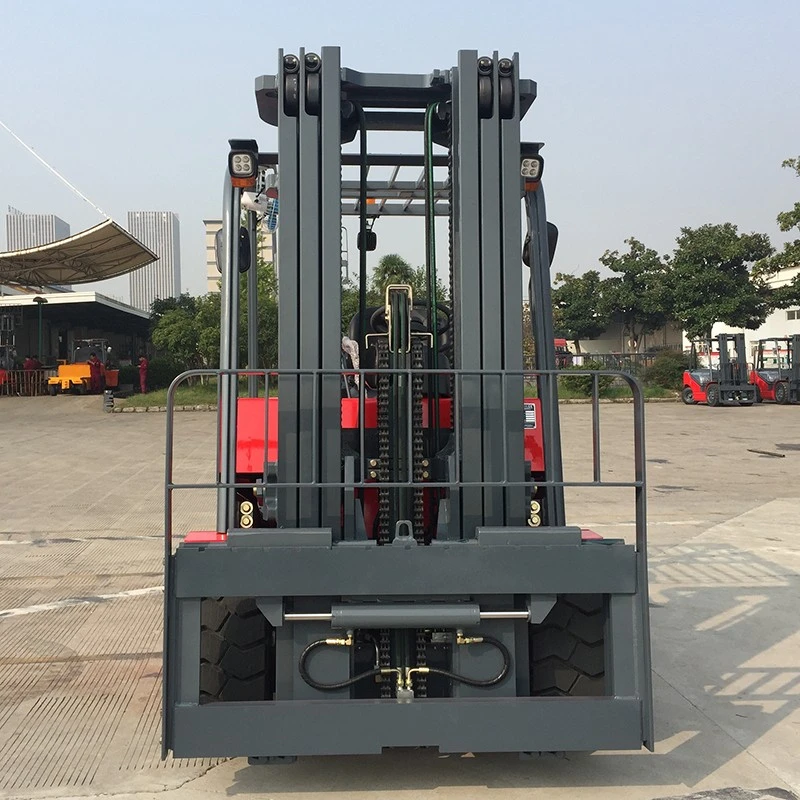
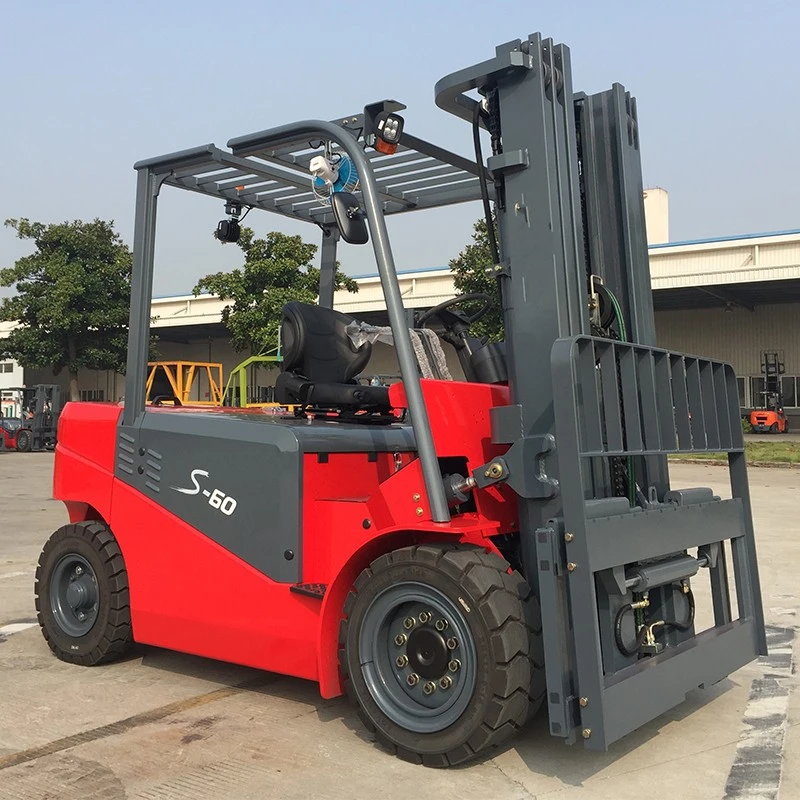
Also, let's talk about common mistakes I see all the time that I wish I could yell about from the rooftops. First, storing the forklift on an incline. Even a small hill (like a loading dock that's 1 inch higher on one side) can make the battery's cells shift a tiny bit, and if it's a lead-acid battery with liquid, that can cause uneven charge. Always park on perfectly level ground before storing. Second, not turning off all accessories. I mentioned this earlier, but it bears repeating-make sure the headlights, backup alarms, radio, and any other add-ons are off before you leave it. Even a small thing like a faulty backup alarm can drain a battery completely in a week. Third, mixing up old and new batteries if you have multiple forklifts. If you've got a fleet, make sure you're storing batteries at the right charge for their age-older batteries might self-discharge faster, so you'll need to check them more often. I've seen customers with multiple units grab a battery from one forklift to put in another without checking the charge, and boom-dead battery.
Now, let's tie this back to our products, since we're electric forklift suppliers. No matter if you're running one small 1 Ton Electric Forklift for a boutique warehouse or a whole fleet with 6 Tons Electric Forklift for a big distribution center, these storage rules apply. Our technicians actually train all our new customers on these exact steps when they pick up their forklift-because we don't just sell you a machine, we want you to get the most life out of it. A battery is one of the most expensive parts of an electric forklift, so taking 5 minutes to get the charge right, clean it, and park it properly is way cheaper than buying a replacement every two years.
Let's recap the quick checklist to make sure you don't forget anything:
- Set charge to 40-60% before storing
- Keep storage temp between 50-80°F (if possible)
- Clean the battery and terminals to remove dirt/moisture
- Disconnect terminals if storing longer than a month, or remove the battery entirely
- Check charge every 2-3 weeks, top up if below 30% (don't full charge)
- Park on level ground, away from extreme temps
If you're ready to upgrade your forklift fleet or you've got questions about storage for your current units, we're here to help. Whether you need a compact 2.5 Tons Electric Forklift for tight spaces or a heavy-duty 5 Tons Electric Forklift for heavy loads, our team can walk you through everything from purchase to maintenance, including battery care. Don't let a poorly stored battery cut your forklift's life short-reach out today to chat about your needs and find the right electric forklift for your business.
References
Forklift Battery Care and Storage Guidelines. Occupational Safety and Health Administration (OSHA), U.S. Department of Labor.
Lithium-Ion vs. Lead-Acid Battery Storage Best Practices. Battery University, Cadex Electronics Inc.
Electric Forklift Fleet Maintenance Report. Material Handling Industry (MHI), 2023.
Temperature Effects on Rechargeable Battery Performance. Journal of Power Sources, Volume 452, 2020.
Lead-Acid Battery Sulfation Prevention for Industrial Equipment. International Society of Automation (ISA), 2022.