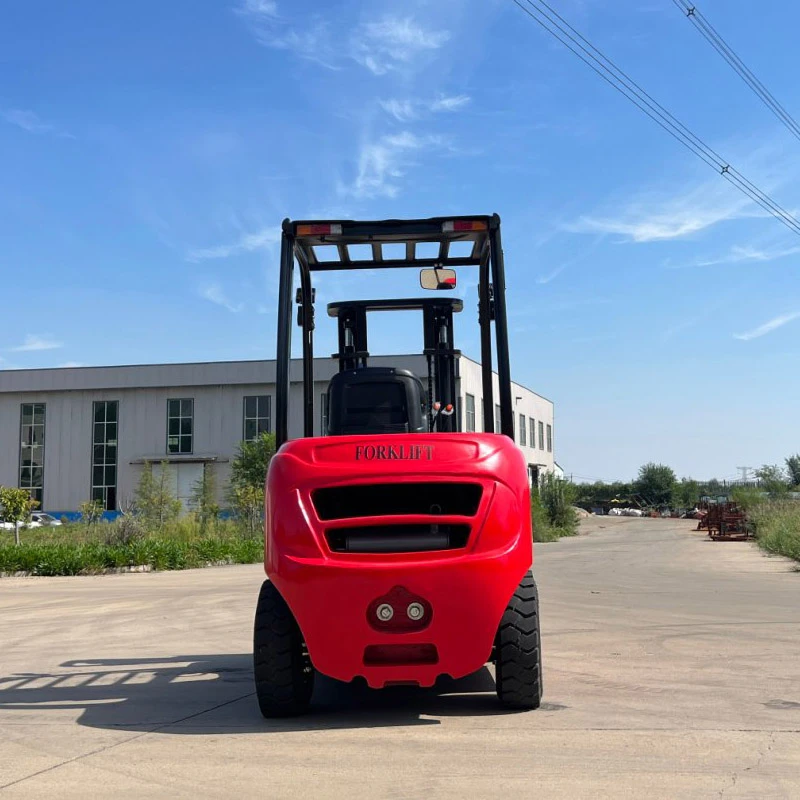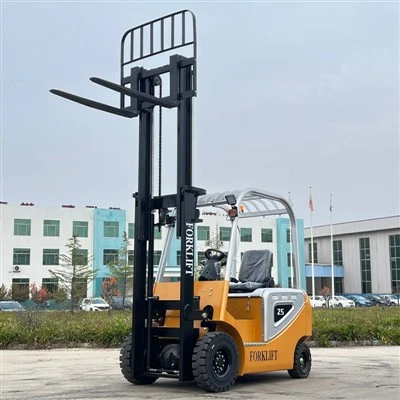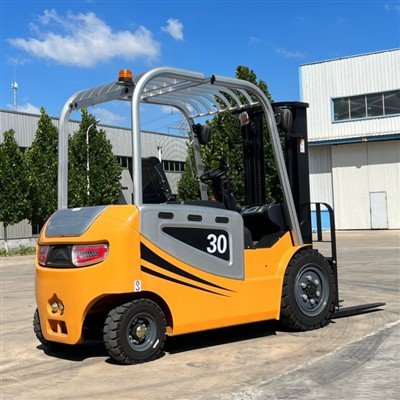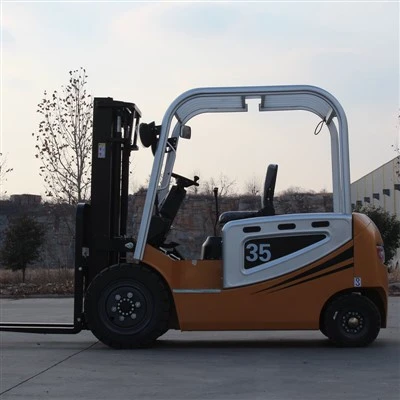
1. Internal Combustion Engine Forklift
An internal combustion engine forklift is a type of fuel forklift powered by a fuel engine, including gasoline and diesel. It typically offers high speed and torque, making it suitable for a variety of operating scenarios. Based on the fuel type, internal combustion engine forklifts can be further categorized as gasoline forklifts, diesel forklifts, and dual-fuel forklifts.
1). Gasoline Forklift
Gasoline forklifts offer greater flexibility and efficiency, enabling them to operate in smaller spaces and are suitable for indoor use. Furthermore, due to their simpler gasoline engines, gasoline forklifts are less expensive and require less maintenance.
2). Diesel Forklift
Diesel forklifts offer greater torque and power, making them suitable for a variety of operating scenarios. They are generally more efficient and powerful than gasoline forklifts, but this also comes at a higher price and higher maintenance costs.
3). Dual-Fuel Forklift
Dual-Fuel forklifts can use two types of fuel simultaneously: gasoline and liquefied petroleum gas (LPG), offering greater flexibility and cost-effectiveness than single-fuel forklifts.
2. LPG Forklifts
LPG forklifts are another common fuel forklift, powered by liquefied petroleum gas (LPG). Compared to internal combustion engine forklifts, LPG forklifts are more environmentally friendly and energy-efficient, saving businesses money and reducing environmental impact.
Overall, fuel forklifts are efficient and flexible logistics equipment that can play an important role in a variety of operational scenarios. When choosing a fuel forklift, consider the operational scenario, financial resources, and environmental considerations.