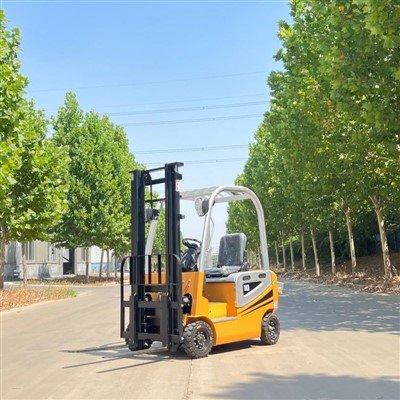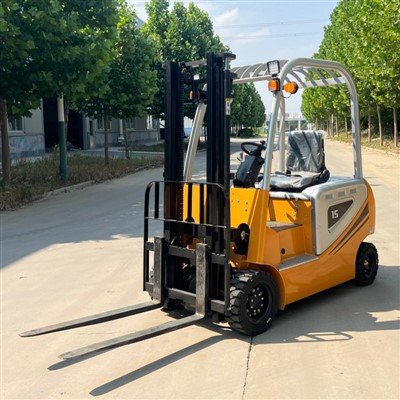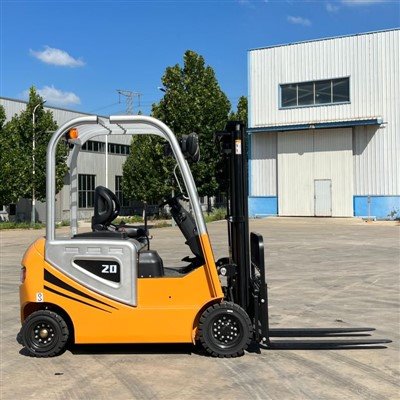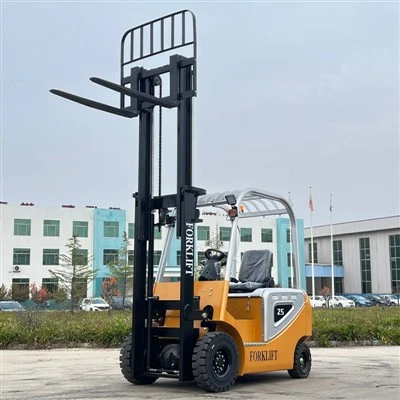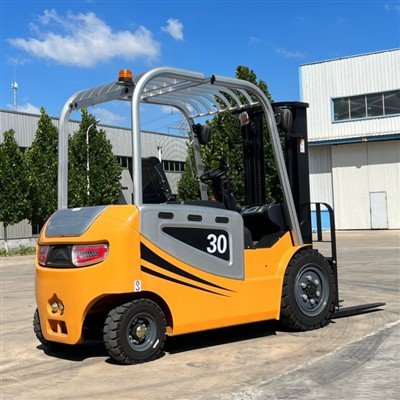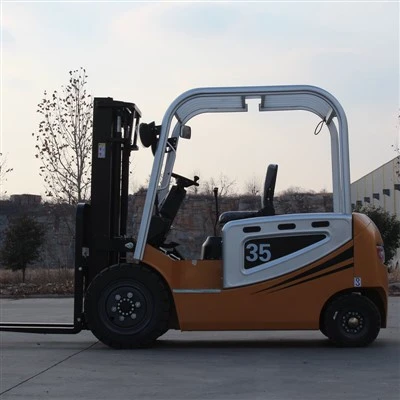
The Importance of Fuel Forklift Maintenance
As core equipment for logistics handling, fuel forklifts are susceptible to component wear due to long-term, high-load operation. Proper maintenance can reduce unexpected failures and extend equipment life. According to statistics (Source: "Industrial Vehicle Maintenance Manual"), regularly maintained forklifts can reduce failure rates by over 40% and extend their service life by an average of 3-5 years. The following are specific maintenance procedures:
Key Component Maintenance Points
1. Engine System
- Oil Change: Change every 500 hours or three months (whichever comes first). Use diesel oil that meets the SAE 15W-40 standard.
- Air Filter: Clean every 250 hours and replace every 1000 hours. In dusty environments, the interval should be shortened to 500 hours.
- Fuel Filter: Replace every 1000 hours to prevent impurities from clogging the fuel injectors.
2. Hydraulic System
- Hydraulic Oil Check: Maintain the oil level at the center of the oil window. Change every 2000 hours. Recommended viscosity is ISO VG 46.
- Pipes and Fittings: Check weekly for leaks. Tighten any loose fittings immediately.
3. Tires and Drivetrain
- Tire Pressure: Solid tires should maintain 5-7 bar (depending on model). For pneumatic tires, refer to the pressure indicated on the sidewall.
- Chain Lubrication: Spray grease after every 8 hours of operation to avoid dry running.
Daily Use Precautions
1. Pre-Start Check: Verify that the coolant, fuel, and lights are normal and that there are no alarms on the instrument panel.
2. Post-Operation Cleaning: Clear the chassis of debris to prevent corrosion. Drain the radiator in winter to prevent freezing.
3. Long-Term Storage: If the vehicle is parked for more than 30 days, disconnect the negative battery terminal and run the engine for 10 minutes monthly.