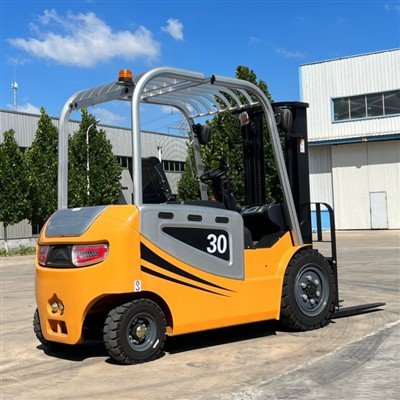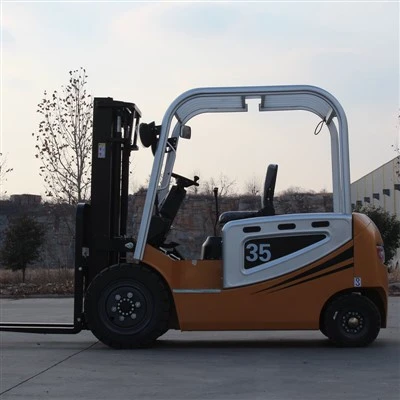
I. Preparing to Operate a Fuel Forklift
1. Checking Fluids and Fuel
- Ensure the engine oil level is between the dipstick marks (usually 4-6 liters, refer to the forklift operator's manual) and that the hydraulic oil and coolant levels are within the specified range.
- Fill the diesel tank to 80%-90% of capacity (common models have a tank capacity of 50-100 liters). Avoid overfilling and leaks.
2. Tire and Brake System Inspection
- Check tire pressure (solid tires have no pressure requirement; pneumatic tires should maintain 3.5-5.5 bar) and tread wear.
- Test the sensitivity of the parking and foot brakes to ensure the braking distance meets the standard (no load, ≤ 3 meters; fully loaded, ≤ 5 meters).
3. Safety Device Verification
- Verify that the lights, horn, and backup alarm are functioning properly and that the seat belts are intact.
II. Operating and Operational Specifications for Fuel Forklifts
1. Starting and Driving
- When starting, depress the clutch (if equipped), turn the key to the start position, and allow the vehicle to idle for 1-2 minutes (3-5 minutes in winter).
- Keep the forks 15-20 cm off the ground while driving. Drive in reverse on slopes exceeding 10%.
2. Load Handling
- When lifting loads, the fork spacing must match the width of the load, and the insertion depth must be ≥ 2/3 of the pallet length.
- Do not exceed the rated load curve (for example, a 3-ton forklift at a height of 3 meters may have a maximum load of 1.5 tons).
3. Parking and Shutting Down
- After parking, lower the forks to the ground, shift to neutral, apply the parking brake, turn off the power, and remove the key. Shut down the vehicle after prolonged idling to reduce carbon deposits.
III. Safety Precautions and Maintenance Recommendations
1. Working Environment
- Operation is prohibited in flammable or explosive areas. Personnel within the operating radius must maintain a distance of at least 3 meters.
2. Regular Maintenance
- Check the engine oil every 50 hours and replace the oil filter every 250 hours (refer to ISO 4406).
- Replace the hydraulic system filter every 1000 hours to prevent malfunctions caused by impurities.