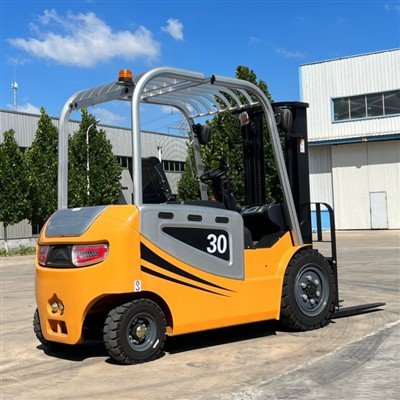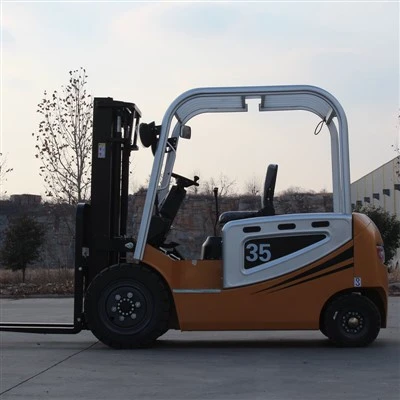
1. Fuel forklift Drive Methods
A fuel forklift is an internal combustion engine forklift with two main drive methods: diesel and liquefied petroleum gas (LPG). Diesel-powered fuel forklifts typically use a hydraulic transmission system, while LPG-powered fuel forklifts use an LPG injection system. Each drive method has its own advantages and disadvantages, and users can choose the one that suits their needs.
2. Working Principle of a Fuel Forklift
The working principle of a fuel forklift is similar to that of other internal combustion engines. Its main components include the engine, transmission system, hydraulic system, frame, front and rear wheels, etc. When the engine starts, it drives the gears in the transmission system, turning the wheels. The hydraulic system uses a hydraulic pump to pump hydraulic fluid into the hydraulic cylinders, which causes the frame and fork arms to move up and down. Fuel forklifts steer by steering the front wheels, while the rear wheels serve as the drive wheels.
3. Advantages and Disadvantages of Fuel Forklifts
Advantages of fuel forklifts include high load capacity, high speed, and wide applicability. Compared to electric forklifts, gasoline forklifts can be used both indoors and outdoors, operate in harsh environments, and require less frequent charging. However, gasoline forklifts also have some disadvantages, such as loud noise, environmental pollution, and high maintenance costs.
In short, gasoline forklifts are important logistics equipment that can help businesses improve cargo transportation efficiency. Understanding the drive mode and operating principles of gasoline forklifts will help users choose a forklift that suits their needs and better use and maintenance of it.