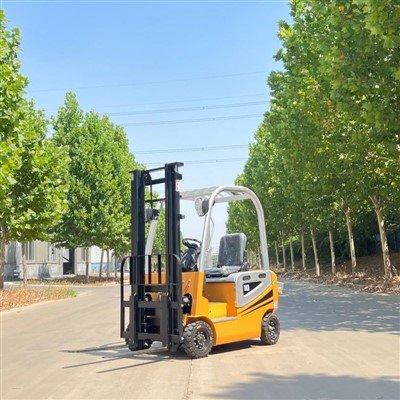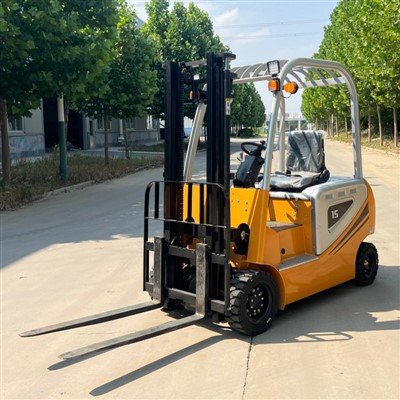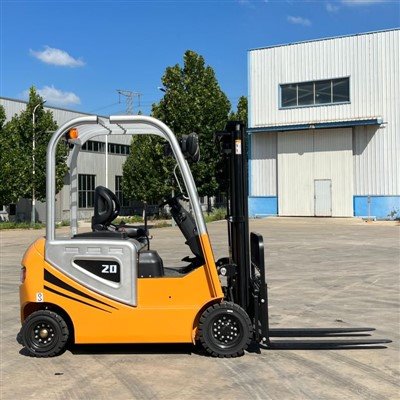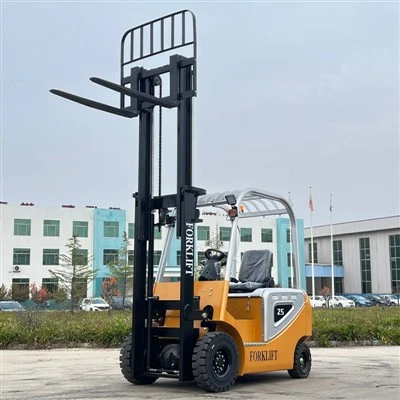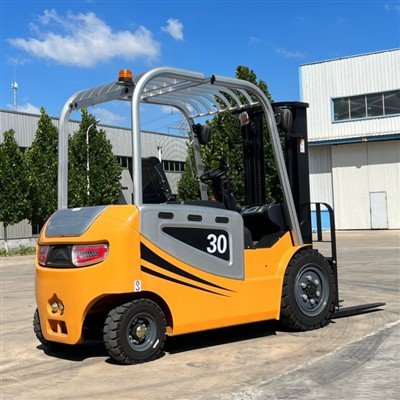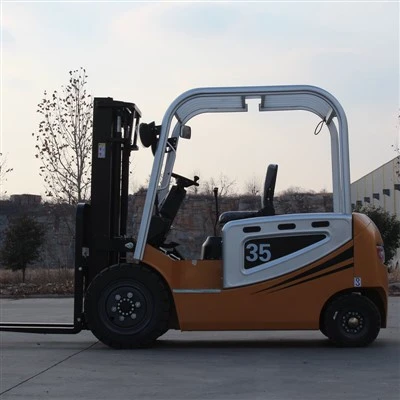
1. Clearly Define Your Operational Requirements
Before purchasing an electric forklift, it's crucial to clearly define your operational requirements:
Use scenario: Indoor or outdoor? Indoor warehouses typically require a compact electric forklift, while outdoor operations may require a model with anti-skid tires and a higher level of protection.
Load requirements: What are the weight and dimensions of the cargo? Electric forklifts typically have a load capacity between 1 and 8 tons. When selecting an electric forklift, ensure that the rated load is slightly higher than your actual needs.
Workload intensity: How long and how often will it be used daily? High-intensity work requires a more durable motor and a larger battery capacity.
Stacking height: The height of the rack determines the required lift height of the forklift. Common lift heights range from 3 to 7 meters, but higher heights may be required for specialized applications.
2. Battery and Range
The battery is the heart of the electric forklift, directly impacting performance and energy efficiency. The main battery types currently on the market include:
Lead-acid batteries: These are relatively inexpensive and suitable for budget-conscious or infrequent use, but they have a long charging time (8-10 hours) and a shorter lifespan.
Lithium batteries: They charge quickly (1-3 hours) and have a long lifespan (up to 5-8 years), making them suitable for high-intensity, continuous work environments. Although initially costly, they offer greater economical long-term performance.
When selecting a forklift, consider the battery capacity (Ah) and battery life to ensure it can handle single- or multi-shift operations. If continuous operation is required, prioritize models that support fast charging or battery swaps.
3. Performance and Powertrain
The performance of an electric forklift depends on its motor type and control system:
Motor Type: AC motors are more efficient, durable, and low-maintenance than DC motors, making them suitable for long-term operation.
Control System: Advanced electronic control systems provide smooth acceleration, precise maneuvering, and energy recovery (converting kinetic energy into electrical energy during braking), further enhancing energy savings.
Check the forklift's gradeability and maximum travel speed to ensure it can handle complex terrain or rapid handling.
4. Maneuverability and Comfort
Maneuverability: The turning radius and dimensions of an electric forklift directly impact its maneuverability in narrow aisles or crowded environments. Compact models are suitable for small warehouses, while large forklifts are ideal for larger spaces.
Comfort: For drivers who operate for extended periods, seat comfort, user-friendly operating interfaces, and vibration-reducing design are crucial. Some high-end models feature ergonomic seats and multi-function displays to enhance the operating experience.
Safety: Ensure the forklift is equipped with emergency braking, automatic deceleration, overload protection, and anti-skid systems. Some smart models also offer collision avoidance sensors and automatic parking.
5. Intelligence and Additional Features
With the advancement of warehouse automation, more and more electric forklifts are integrating intelligent technologies, such as:
Automatic navigation: Supports unmanned or semi-autonomous operation, making them suitable for large automated warehouses.
Energy consumption monitoring: Real-time display of battery status and energy consumption data helps optimize usage efficiency.
Remote diagnostics: Using IoT technology, suppliers can remotely monitor equipment status and provide timely maintenance recommendations.
While these features may increase initial costs, they can significantly improve long-term operational efficiency and are suitable for businesses with intelligent needs.
6. Maintenance and Durability
Material and Construction: Choose a forklift made of high-strength steel or composite materials to ensure durability and corrosion resistance.
Maintenance Ease: Check for easy access to spare parts and a comprehensive after-sales service network. Well-known brands generally offer more reliable maintenance support.
Warranty Policy: Prefer brands with longer warranties (1-3 years) to reduce future risks.