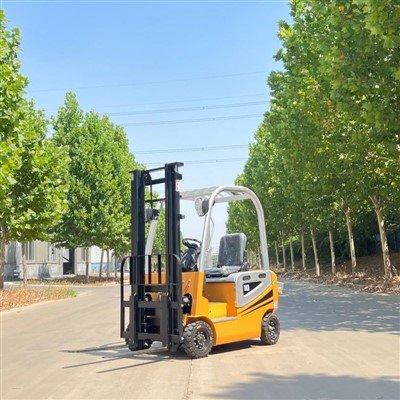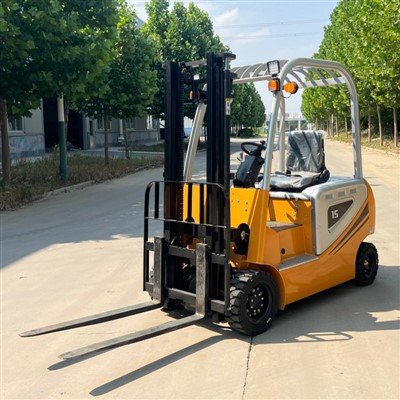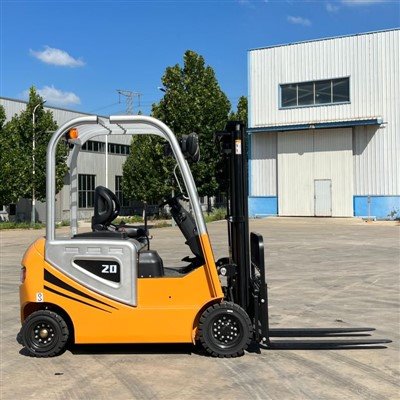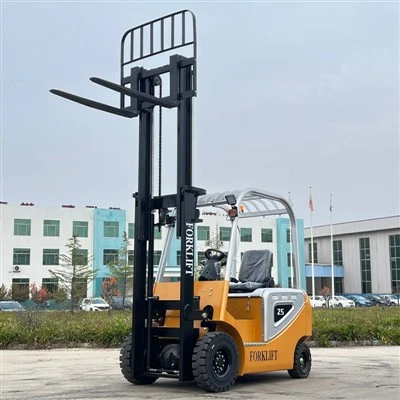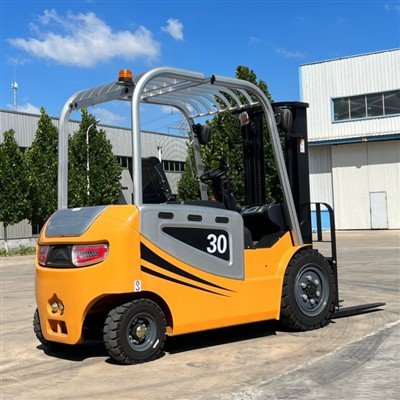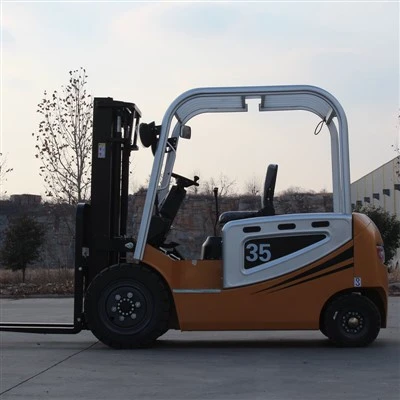
I. Preparing to Operate a Fuel Forklift
1. Vehicle Inspection
- Fluid Check: Ensure that the engine oil, hydraulic oil, and coolant are within the specified range (the oil level should typically be between the minimum and maximum values on the dipstick; refer to the forklift operator's manual).
- Tire Condition: Check the air pressure of pneumatic tires (generally 0.8-1.2 MPa) and solid tires for cracks to prevent blowouts during operation.
- Braking System: Test the parking and foot brake sensitivity. The braking distance should be ≤ 3 meters (at a load of 1.5 tons and a speed of 10 km/h).
2. Environmental Assessment
- Clear any obstructions in the work area and ensure that the ground has a load-bearing capacity of ≥ 5 tons/m2 (according to ISO 10896) to avoid collapse risks.
- Check ventilation. Fuel forklifts must operate in an environment with a CO concentration of < 50 ppm (OSHA standards).
II. Standard Operating Procedures for Fuel Forklifts
1. Starting and Driving
- Before starting, shift the vehicle into neutral and engage the clutch (if equipped). After starting the vehicle, warm it up at idle for 1-2 minutes (recommended 3 minutes in winter).
- When driving, maintain a height of 15-20 cm between the forks and the ground. Do not exceed 10 km/h (the speed limit in factory areas is typically 5 km/h).
2. Load Handling Techniques
- When lifting loads: Adjust the fork spacing to 2/3 the pallet width, with an insertion depth of ≥ 75% of the pallet length to prevent tipping.
- Lift Limit: For a 1-ton load, the recommended lift height is ≤ 3 meters (according to the load curve; exceeding this limit will reduce stability).
- Slope Operation: Drive forward when going uphill and reverse when going downhill. Use low gear for slopes greater than 10%.
III. Safety and Maintenance Tips
1. Emergency Procedures
- In the event of a sudden stall, immediately apply the brakes and parking brake. If restarting fails, shift the vehicle into neutral and drive to a safe area. If the hydraulic system leaks (oil pressure < 2 MPa), stop operation and contact maintenance personnel.
2. Daily Maintenance
Clean the air filter every 50 hours and change the engine oil every 250 hours (refer to SAE 15W-40 standard).
Drain the fuel tank during extended periods of storage to prevent oil line blockage.