During my 15 years supporting cold storage forklift projects across frozen food warehouses, pharmaceutical cold chain facilities, food processing plants, and low-temperature distribution centers, I have learned that low temperatures are one of the biggest challenges affecting electric forklift battery performance. Many operators and procurement teams assume standard electric forklift batteries will work reliably in freezers, only to face sudden capacity drops, shortened runtimes, unexpected shutdowns, and premature battery failure. Cold environments slow chemical reactions, increase charging difficulty, and expose batteries to condensation and thermal stress-issues that standard equipment simply cannot handle. In this professional guide, I share real on-site engineering experience, two practical cold chain application cases, in-depth battery failure analysis, and actionable maintenance tips to help cold warehouse managers, logistics operators, and procurement teams protect forklift batteries, extend service life, and avoid costly downtime in low-temperature operations. Whether you run a deep freezer warehouse, a pharmaceutical cold chain facility, or a food processing distribution center, these evidence-based solutions will help you maintain stable, efficient material handling in the most challenging cold environments.
Over my career, my engineering team and I have delivered customized cold storage forklift solutions for more than 90 low-temperature projects worldwide. We specialize in cold storage battery protection, low-temperature lithium battery applications, food processing warehouse material handling, and pharmaceutical cold chain equipment design. I have personally inspected hundreds of cold storage sites where standard batteries failed prematurely: frozen food warehouses where runtime dropped by 40% in -22℃ conditions, pharmaceutical facilities struggling with condensation-related electrical faults, and multi-shift operations forced to replace batteries twice as often as planned. The truth is, these problems are not unavoidable-they almost always result from mismatched equipment, incorrect charging habits, and a lack of targeted low-temperature protection. Properly engineered cold storage forklifts with intelligent battery management can operate reliably even in -25℃ deep freezers with minimal performance loss, and I've seen these solutions completely transform operations for businesses that were once struggling with constant battery issues.
One representative cold storage forklift project we supported began in January 2026 for a large frozen food distribution center in Canada. This facility operates a 25,000㎡ deep-freeze warehouse maintaining a constant temperature of -18℃ to -25℃, handling 500 to 800 pallets of frozen meat, seafood, and prepared meals every day. The center runs 18 hours of continuous operation across 2 to 3 shifts, relying entirely on electric forklifts for pallet movement, loading, and unloading. At first, the customer used standard electric forklifts equipped with conventional lead-acid batteries, but they quickly faced severe operational disruptions that slowed their entire business. Their major pain points included significant battery capacity loss in extreme cold, with usable runtime falling from 8 hours to less than 4 hours per charge. Charging time doubled, and batteries often failed to reach full capacity even after extended charging. Unexpected mid-shift shutdowns disrupted order fulfillment and pallet flow, while frequent deep cycling and cold stress reduced battery lifespan to less than 18 months-far shorter than the expected 3 to 5 years. Maintenance teams also reported condensation buildup inside battery compartments when moving machines between freezing and ambient areas, creating real electrical safety risks for their team.
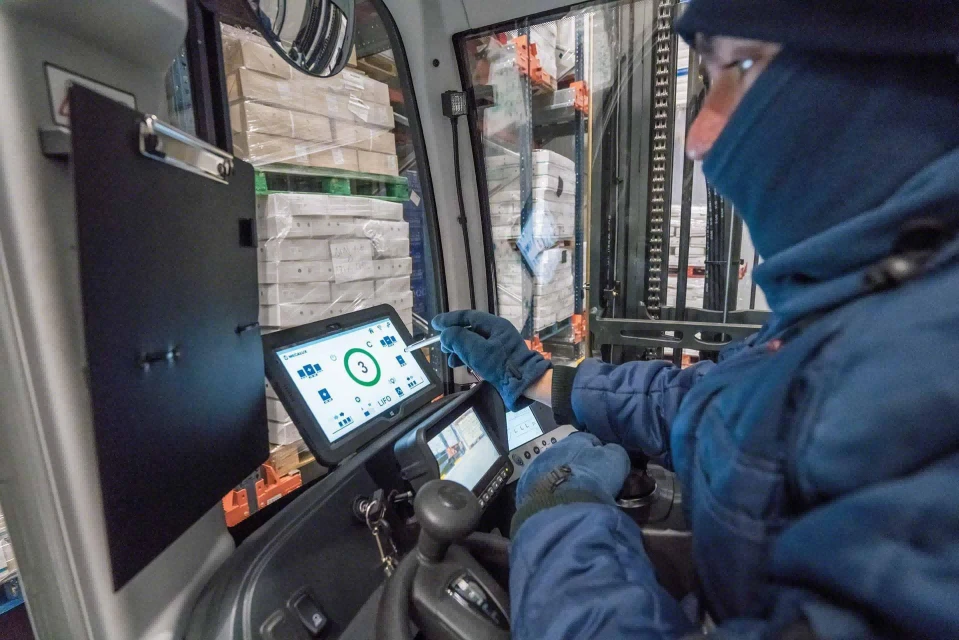
Our engineering team conducted a full on-site analysis to identify the root causes, and we found several critical issues stacking up against them. First, we evaluated battery performance at low temperatures: sub-zero conditions slow internal chemical reactions, reduce ion mobility, and drastically lower available capacity, especially for lead-acid batteries. We then identified critical charging problems: operators were attempting to charge batteries immediately after removing them from -22℃ freezers, causing rapid condensation and internal damage that shortened life over time. Their charging systems weren't designed for low-temperature recovery, and there was no thermal management in place to protect the batteries. We also observed inefficient operation habits, including long idle periods with power on, frequent short-distance travel, and deep discharge cycles that further stressed already cold-weakened batteries. Based on this engineering assessment, we recommended a complete cold storage electric forklift solution with 1.5-ton and 2-ton capacity models purpose-built for low temperatures. The core upgrade was a lithium-ion battery system with an integrated Battery Management System (BMS) and dedicated low-temperature heating function. Key features included active battery heating to maintain optimal operating temperature, real-time temperature monitoring, smart charging protection that prevents charging when battery temperature is too low, and fully sealed, waterproof electrical components to resist condensation. These forklifts were engineered for safe, stable performance down to -25℃, supporting 16+ hours of daily operation with opportunity charging during breaks.
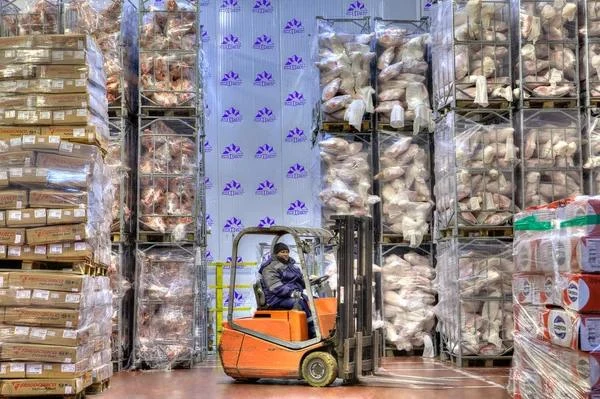
After implementing the solution, the customer achieved dramatic improvements that made a real difference to their daily operations. Battery operating time increased by more than 60%, fully supporting full shifts without unexpected shutdowns. Downtime caused by battery failure decreased by 85%, greatly improving warehouse throughput and order efficiency. Battery lifespan extended to 5+ years, reducing replacement frequency and total cost of ownership. The intelligent heating and BMS system eliminated condensation risks entirely, ensuring safe and reliable operation even in extreme and fluctuating temperatures between the freezer and loading areas.
The second practical case comes from a pharmaceutical cold chain storage facility in Germany, completed in March 2026. This facility covers 10,000㎡ and maintains a strict temperature range of 2℃ to 8℃ for vaccines, injectables, and temperature-sensitive pharmaceutical ingredients. It operates 16 hours per day with extremely high standards for hygiene, safety, and equipment reliability. The customer's core requirements included completely stable operation, low noise, zero battery leakage risk, consistent performance, and full compliance with pharmaceutical industry health and safety standards. They simply could not tolerate leaks, fumes, or unexpected equipment failures that might compromise product integrity or regulatory compliance, so every piece of equipment had to be chosen with extreme care. Our engineering team immediately ruled out traditional lead-acid batteries for several critical reasons. Lead-acid batteries carry a real risk of electrolyte leakage, require regular maintenance that introduces contamination risks, and perform poorly even in stable low-temperature conditions. They also produce gas during charging and have shorter lifespans under consistent daily use. Instead, we recommended a dedicated pharmaceutical-grade cold storage electric forklift equipped with a maintenance-free lithium-ion battery system. Lithium batteries are completely sealed, leak-proof, and emit no gases or contaminants-making them ideal for clean, controlled pharmaceutical environments. They deliver stable voltage and capacity at 2℃ to 8℃, support opportunity charging without degradation, and feature intelligent BMS that prevents overcharge, over-discharge, and thermal risks. The low-noise electric drive system also supports the quiet, controlled working environment the facility required.
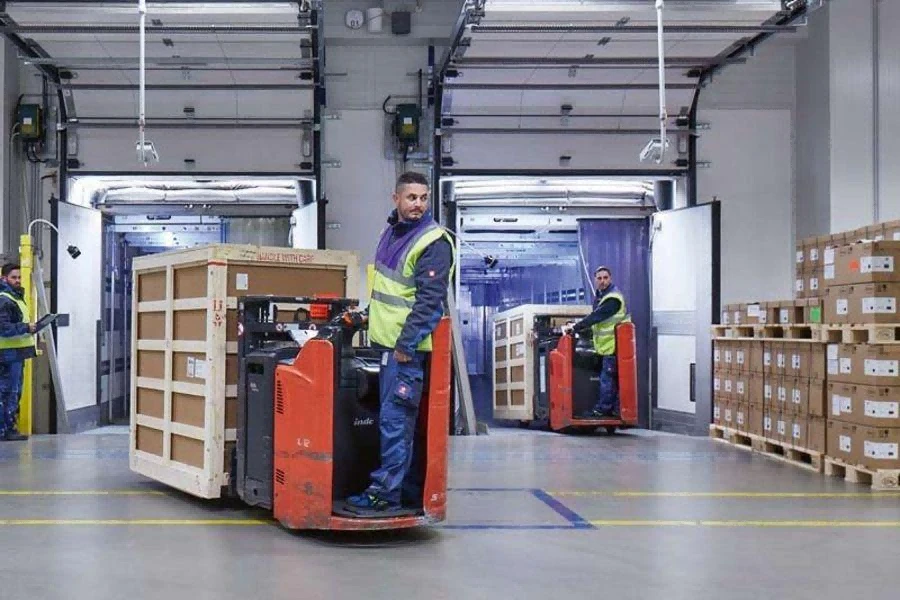
In the end, the solution fully met the customer's strict requirements. Stable battery performance eliminated mid-shift failures entirely, zero leakage and low noise preserved cleanroom conditions, and the maintenance-free design reduced labor needs while keeping them in full compliance with pharmaceutical standards. The forklift fleet provided consistent, reliable performance that supported their uninterrupted cold chain logistics, which is absolutely critical in the pharmaceutical industry.
To help cold chain operators truly understand and prevent battery failures, it's critical to explain exactly how low temperatures damage forklift batteries, because when you know the why, you can much better address the how. First, battery capacity loss is the most direct and noticeable effect. In sub-zero environments, chemical reactions inside the battery slow significantly, reducing the amount of usable energy available. A battery that delivers 100% capacity at room temperature may only provide 50% to 60% capacity at -20℃, directly shortening forklift runtime and causing early power depletion mid-shift. Second, charging efficiency drops sharply in cold conditions. Cold batteries cannot accept charge properly, leading to longer charging times, incomplete charging, and potential internal damage over time. Charging an extremely cold battery also creates condensation inside the pack, which leads to corrosion, short circuits, and real safety hazards. Third, a battery heating system has become absolutely essential for modern cold storage forklifts. An integrated heater warms the battery to a safe, efficient operating range before and during operation. When paired with a thermal management system and real-time temperature monitoring, this technology maintains stable performance, prevents condensation, and extends battery life even in the harshest deep-freezer environments.
To help clarify the best equipment choices, it's useful to compare lead-acid and lithium batteries directly in real cold storage conditions. Lead-acid batteries show limited low-temperature performance with significant capacity loss below 0℃, lower charging efficiency that becomes slow and difficult in the cold, require more frequent maintenance like watering, equalization, and corrosion checks, offer limited opportunity charging that can cause degradation, have a shorter lifespan of only 1–3 years in heavy cold use, and carry a moderate leakage risk from electrolyte. Lithium batteries, by contrast, provide better stable performance with thermal management, more stable charging that supports controlled low-temperature charging, lower maintenance thanks to sealed and BMS-managed design, fully support opportunity charging which is ideal for multi-shift cold storage, offer a longer lifespan of 4–6 years with proper protection, and have very low leakage risk due to a fully sealed design. This real-world difference is why so many cold storage operators are switching to lithium solutions for their fleets.
Proactive maintenance is the final piece of reliable cold storage forklift operation, and based on hundreds of site implementations, I've refined the most effective battery protection practices that anyone can apply. Before entering cold storage, always check battery temperature and ensure it is within the safe operating range, confirm sufficient charge level and avoid entering cold areas with a low battery, and allow cold batteries to warm slightly in a transition area if needed. During operation, avoid deep discharge by stopping use before battery voltage drops too low, monitor real-time battery status on the display, minimize unnecessary idling to reduce power consumption, and use opportunity charging during breaks in ambient or transition areas. When charging, only charge in suitable temperature conditions around 10℃ to 30℃ ideal, use intelligent, temperature-sensing chargers designed specifically for cold storage batteries, allow batteries to warm gradually before charging if coming directly from freezers, and always follow manufacturer charging protocols to avoid overcharging. For daily inspection, check battery connections for tightness and corrosion, inspect for condensation or moisture in the battery compartment, review any warning codes or temperature alerts, and keep battery surfaces clean and dry at all times. These small, consistent steps make an enormous difference in battery life and reliability.
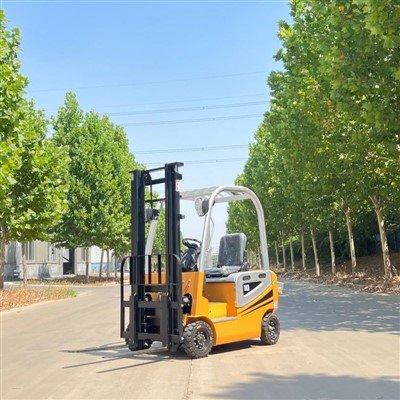
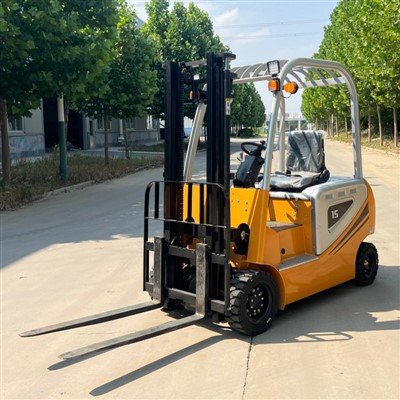
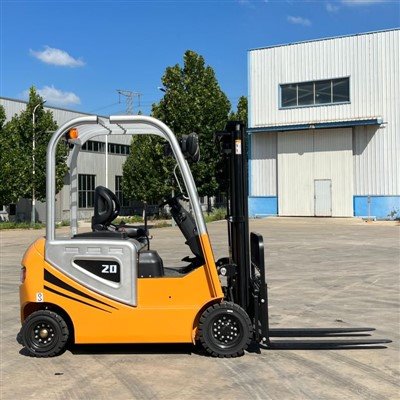
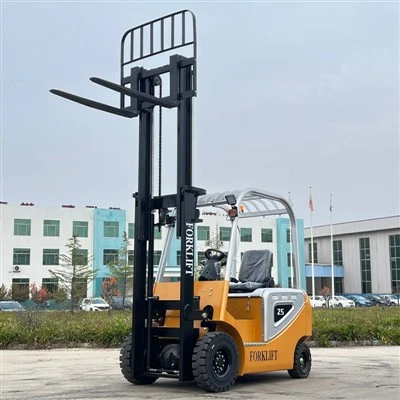
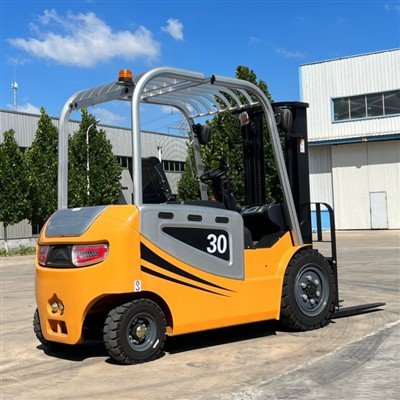
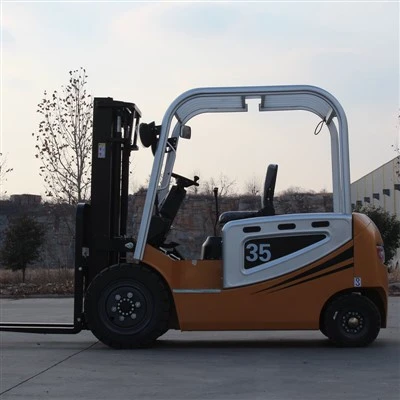
As a professional forklift manufacturer focused on cold chain and low-temperature solutions, DS Forklift provides the industry-leading DS Cold Storage Electric Forklift series, engineered specifically for frozen warehouses, food processing plants, pharmaceutical cold chain facilities, and low-temperature distribution centers. Our cold storage forklift lineup includes 1.5-ton, 2-ton, and 3-ton capacity models to match various handling needs across different operations. They feature low-temperature lithium-ion batteries with integrated heating systems and smart BMS, supporting reliable operation from -25℃ all the way to 40℃. Mast heights range from 3000mm to 5000mm with fully sealed, cold-resistant electrical components and anti-condensation design built for the harsh transitions between cold and warm areas. Every unit supports opportunity charging, stable performance during long shifts, and minimal maintenance to support truly uninterrupted cold chain operations.
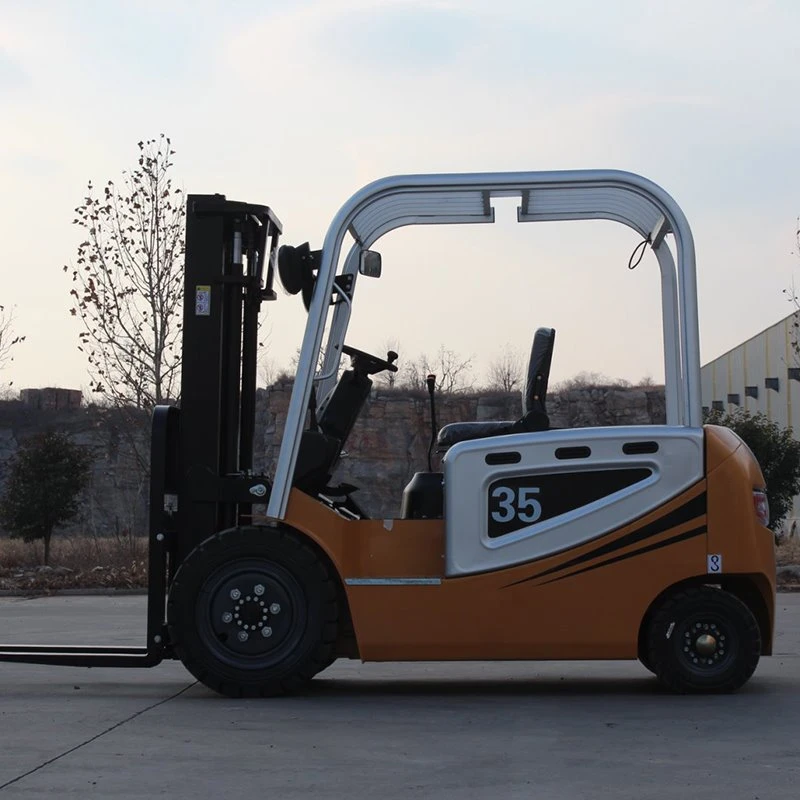
With years of dedicated R&D and real-world cold chain application experience, DawnShine Forklift delivers durable, reliable equipment that solves the single biggest challenge in cold storage: stable battery performance and consistent low-temperature protection. We don't just sell forklifts-we deliver solutions that keep your cold chain moving without the frustration of constant battery failure and downtime.
Protecting forklift batteries in cold storage is not just about routine maintenance-it's about choosing the right equipment, using correct operating practices, and implementing intelligent thermal management that actually addresses the unique challenges of low temperatures. Over 15 years supporting cold chain projects around the world, I have seen firsthand how proper battery protection eliminates costly downtime, extends equipment life, and keeps critical cold chain operations running smoothly even in the toughest conditions. Whether you manage a frozen food distribution center, a pharmaceutical cold storage facility, or a busy food processing plant, investing in a purpose-built cold storage forklift with professional battery protection will improve your operational efficiency, reduce long-term costs, and ensure safe, reliable performance in low-temperature environments. The best results come from partnering with an experienced manufacturer that understands real cold storage challenges and delivers engineered solutions, not just standard off-the-shelf equipment. Contact DawnShine Forklift today to request your customized cold storage forklift and battery protection solution, and build a more reliable, efficient cold chain material handling system for your business.