The Right Empty Container Forklift Is Not About Lifting Capacity Alone
In an empty container yard, moving a container from one location to another is not the difficult part.
The real challenge lies in repeating that movement hundreds of times each day, reliably.Depot operators need equipment that can consistently pick up, position, stack, and retrieve empty containers - all while working within limited yard space, exposed outdoor conditions, uneven ground, and tight delivery schedules.
This is where many purchasing decisions go wrong.Many teams compare forklifts based on basic specs: lifting capacity, upfront price, or engine output. While these metrics matter, they do not reflect whether the machine can hold stable performance after months of high-intensity container yard work.
For empty container handling, the better question is not:"Can this forklift lift an empty container?"
The far more practical, operational question is:"Can this equipment match our container flow, stacking style, and daily site conditions - without becoming an operational bottleneck?"
This simple shift in mindset determines whether a forklift becomes a reliable productivity asset - or an expensive limitation for your yard.
A Real Container Depot Example: Why Equipment Selection Depends on Operation
A strong real-world example is HCS Hamburg Container Service, based at the Port of Hamburg, Germany.
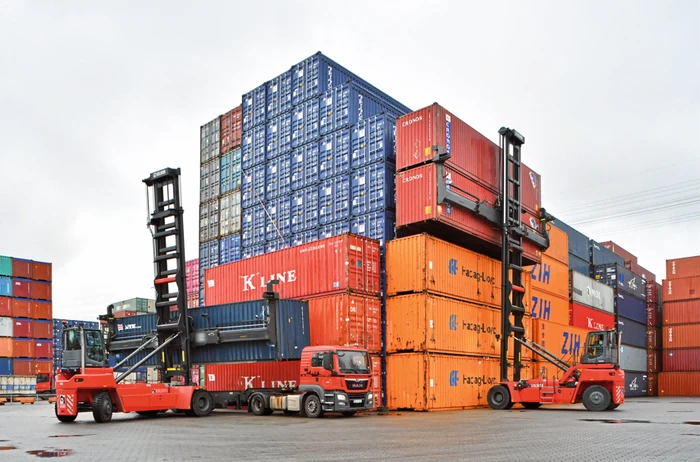
The depot manages empty containers for major carriers including COSCO, Hapag-Lloyd, Maersk, ONE and OOCL. Per Kalmar's customer case study, the site handles roughly 300–500 empty containers each day, amounting to around 100,000 container movements annually.
The facility operates across a 125,000-square-metre storage yard, recording roughly 3,000 container moves every single day. It runs a fleet of empty container handlers - including Kalmar units - to sort, inspect, repair, store and release containers.
In 2024, HCS trialled Kalmar's first electric empty container handler, the ECG 90-110, with a 9–11 tonne lifting capacity.
The trial was not just a simple test of electric vehicle technology.
The team wanted to verify whether an electric model could match diesel equipment's operational performance within a live depot environment.
This project illustrates a key takeaway:The right equipment choice is never decided by the machine alone.
It is determined by the interplay of container throughput, stacking requirements, yard layout, working hours and environmental conditions.
A machine that performs well in a demonstration area may face completely different challenges during continuous depot operation.
Why Standard Forklifts Often Become a Compromise in Container Yards
Many companies already own conventional forklifts.
They have trained operators, established maintenance routines and familiar spare parts supply chains. For some tasks, sticking with existing equipment is a practical choice.
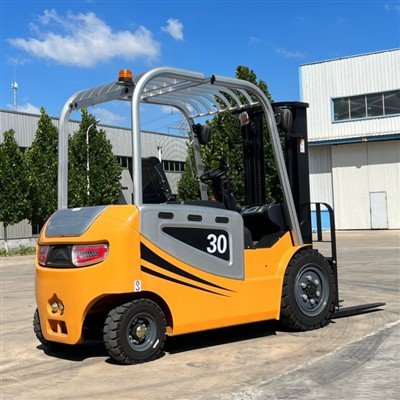
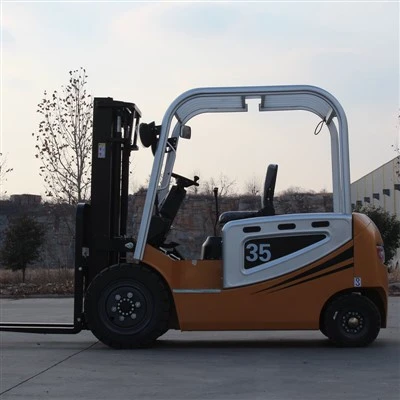
Standard forklifts remain suitable for:moving goods within maintenance workshops; handling pallets and non-containerised cargo; supporting low-volume operations.
Trouble arises when general-purpose forklifts are deployed as the primary machine for frequent empty container handling.
Containers bring operating demands unlike typical warehouse loads.ISO containers rely on standard corner castings for lifting. Equipment must engage these lifting points precisely while retaining stability during transport and stacking.
Container handling introduces unique challenges versus pallet work:oversized overall dimensions; distinct load centre properties;stricter positioning accuracy; higher demands for stability control.
Over the course of a full shift, minor inefficiencies quickly add up.An extra few adjustments to align each container seem trivial for one single lift. But with hundreds of container moves every day, those wasted seconds steadily erode overall productivity.
The question is not whether a standard forklift is capable of lifting an empty container.It is whether it can sustain consistent performance under continuous daily workloads.
High-Density Storage Requires More Than Lifting Ability
One of the main reasons companies choose dedicated empty container handlers is storage efficiency.
Container depots face a straightforward commercial challenge:Land comes at a high cost.
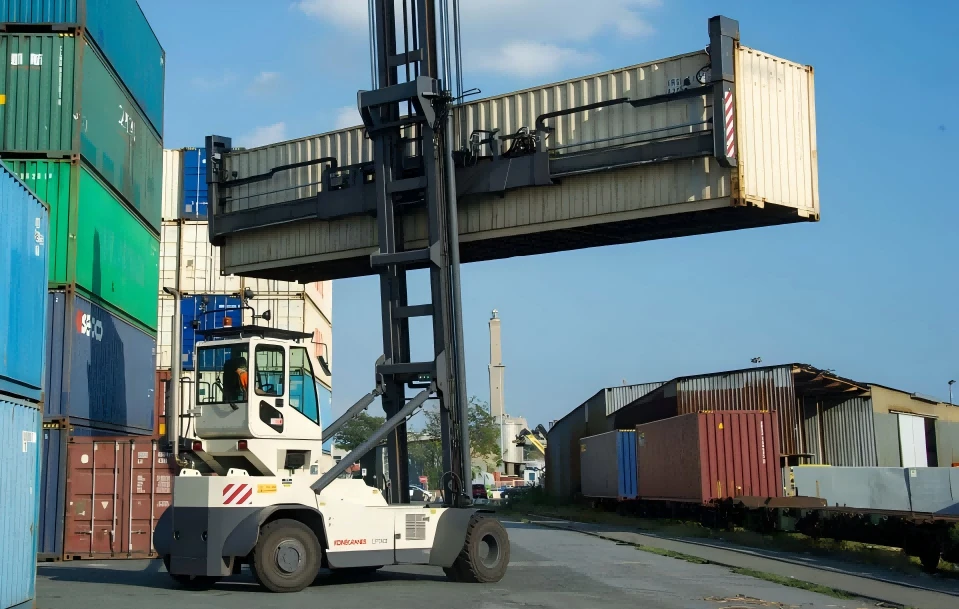
When expanding the yard is not feasible, stacking containers higher becomes an appealing solution.A purpose-built empty container handler supports:repeated stacking cycles; container retrieval from multiple stack tiers;precise, controlled placement.
Even so, greater stacking capacity alone will not fix all yard challenges.
Many buyers fall into the trap of focusing solely on maximum stacking height.
A far more relevant question to ask is:"Does this stacking performance align with our real storage patterns?"
Higher stacks bring additional requirements:
clear operator visibility; precise load positioning; well-planned traffic lanes; stable ground conditions across the yard.
The taller the stack, the slimmer the error margin.No matter how capable the machine is, it cannot compensate for flawed yard layout planning.
Studies focused on empty container depot layout optimisation confirm that yard configuration impacts operational efficiency, equipment utilisation and site safety. One case analysis from a Chilean terminal assessed yard performance based on truck turnaround times, equipment travel distances and collision hazards. The findings clearly demonstrate tight interdependencies between equipment movement and yard design.
Outdoor Container Yard Conditions Reveal Equipment Weaknesses
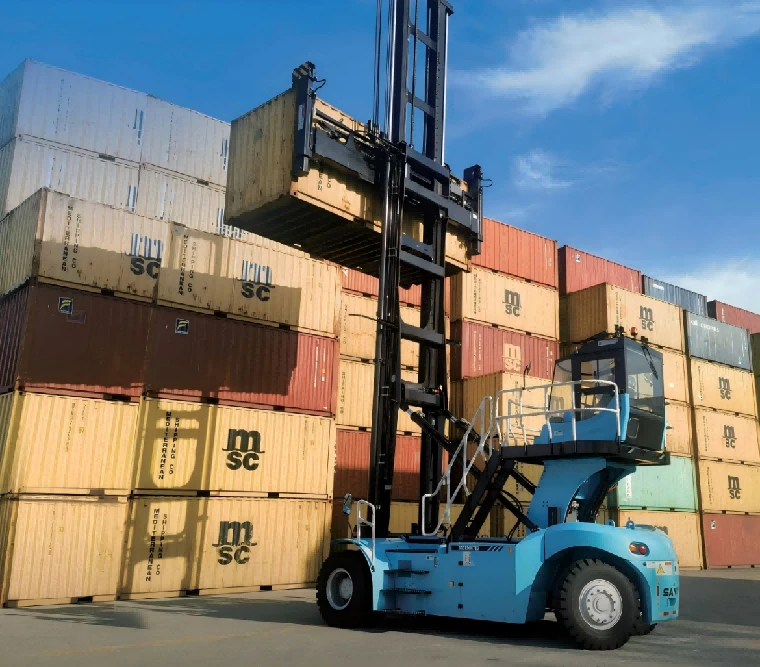
Container yards run in completely open, unregulated working environments, which sets them apart from enclosed indoor warehouses.
Coastal depots commonly struggle with: salt spray erosion; high ambient humidity; accelerated metal corrosion.
Yards situated in northern areas have to cope with:
snow accumulation; slippery frozen ground; prolonged low-temperature working conditions.
Inland yards are mostly troubled by:
bumpy uneven asphalt ground; pervasive airborne dust; worn and broken concrete pavement.
These harsh environmental factors seldom trigger sudden breakdowns right away.
Issues build up slowly over long-term operation:
sluggish hydraulic response under extreme weather; intensified whole-machine vibration; constant extra adjustments to get accurate positioning; heavier maintenance workload and more frequent repairs.
That explains why seasoned purchasers never judge equipment merely by its lifting capacity.
They pay close attention to these practical configurations:
structural durability of the chassis; tyre models matched to local ground conditions; stable and long-lived hydraulic assemblies; well-protected electrical components against harsh surroundings;convenient layout for routine maintenance work.
The most suitable unit is not necessarily the most powerful one on paper.It is engineered to adapt to the actual site environment it will operate within every day.
Key Factors When Selecting an Empty Container Handling Forklift
1. Container Movement Frequency
The first question should be:How many container handling cycles does the yard finish on a daily basis?
High-throughput empty container depots running multiple shifts with frequent inbound and outbound picking work are generally better off with professional dedicated handlers.
Such operational scenarios usually feature:continuous outdoor operation; compact high-density storage areas; frequent stacking and destacking work; regular loading and unloading for container trucks.
By contrast, specialised container handlers are not always a cost-effective pick for small repair yards or low-traffic sites.
When daily container turnover stays low, standard general forklifts or other simple handling schemes often deliver higher cost performance.
2. Stacking Height and Storage Layout
Before settling on suitable equipment, operators need to clarify these details in advance:
target stacking height; usable operating space within the yard; layout arrangement of container storage blocks; how often containers need to be accessed and moved out.
A forklift that can stack containers to greater heights will not bring higher efficiency on its own.The whole storage layout ought to be planned in coordination with the selected handling equipment.
3. Attachment and Container Compatibility
Empty containers are not standard pallet loads.The handling system must match container lifting points and operating requirements.
Important considerations include:
the full range of container sizes you handle; your site's lifting method; mechanical compatibility between forklift and container attachments;
on-site operator visibility during stacking and retrieval.
The right equipment and attachment combination streamlines handling workflows, cutting out redundant adjustments instead of adding extra operational steps.
4. Ground Conditions and Working Environment
Container yards are tough outdoor working sites with heavy-duty operating demands.
It is necessary to assess these items prior to purchasing equipment:ground pavement conditions; long-term exposure to rainy weather;
corrosion hazards for yards near the coast; daily service hours and shift arrangements.
If you choose a forklift merely by referring to official catalogue parameters, it is very likely unable to deliver ideal performance after being put into formal yard operation.
Empty Container Handler Is Not Always the Right Choice
A professional supplier should also explain when not to choose specialized equipment.
An empty container handler may not be the best solution for:
extremely low daily container throughput; little demand for high-level stacking; short daily operation durations.
In such situations, the extra procurement cost and ongoing maintenance expenses fail to bring sufficient practical gains.
It is equally vital to recognise the working limits of this machinery.Empty container handlers are engineered purely for moving empty containers.
They cannot substitute machines meant for laden container work. Loaded containers have distinct stability and load-bearing demands; reach stackers or full container handlers are the more suitable choices for this work.
A Practical Buying Checklist Before Selecting an Empty Container Forklift
Before making a purchase decision, container yard managers should review:
Operation Requirements
Daily container handling volume
Number of working shifts each day
Maximum required stacking height
Yard Conditions
Coastal or inland working environment
Flat paved ground or uneven yard surfaces
Adverse weather conditions through different seasons
Equipment Requirements
Necessary rated lifting capacity
Types of containers to be processed
Local maintenance service capacity
Stable supply of spare parts
Training arrangements for on-site operators
Long-term reliable operation does not rely solely on the forklift itself. Steady after-sales support, regular maintenance schedules and actual site conditions together decide the overall usage effect.
Choose the Forklift That Fits the Yard, Not the Brochure
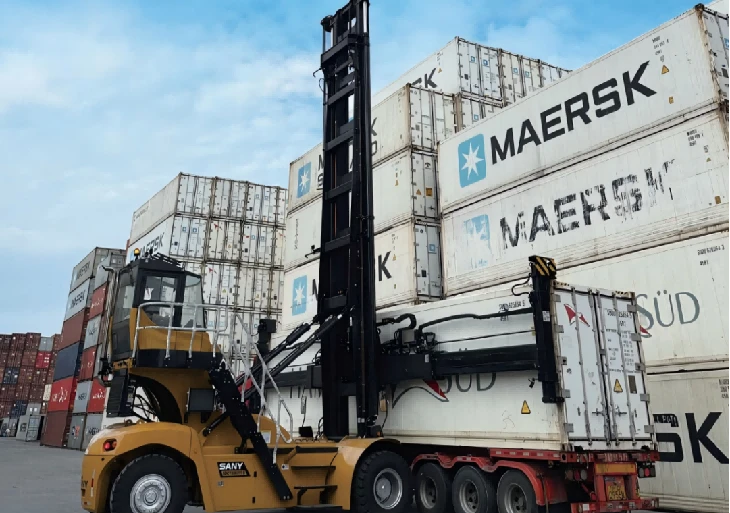
There is no single empty container handling forklift suitable for every container yard.A small repair depot and a high-volume international container storage facility have completely different requirements.
Suitable equipment selection hinges on striking a proper balance among these factors:container turnover volume, stacking demands, yard layout design, site environmental conditions, daily operation intensity and local maintenance support capacity.The most costly mistake in the procurement process of container equipment is not the failure to select low-cost equipment.It lies in picking equipment mismatched to actual on-site operations.
A well-executed empty container handler deployment starts with mapping the whole flow of container movement across the yard, before selecting equipment capable of sustaining stable daily operation accordingly.