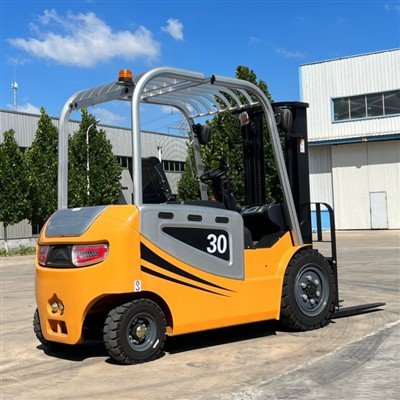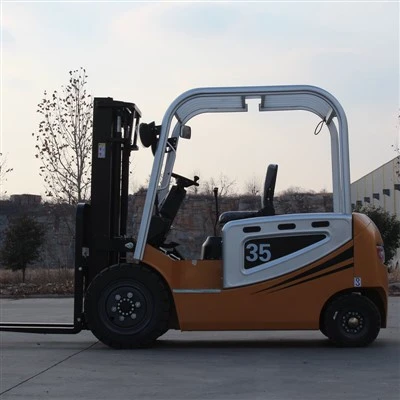
With over 15 years as a forklift application engineer supporting warehouse, food and pharmaceutical clients across Europe and North America, I notice a recurring costly mistake: most buyers only focus on upfront forklift price and ignore daily maintenance and battery management. Poor routine checks cut electric forklift service life by 2–3 years, trigger frequent unplanned downtime and push up long-term fleet costs. Standardized daily inspections and scientific battery care can slash repair expenses and maximize equipment lifespan.
Why Regular Electric Forklift Maintenance Is Critical
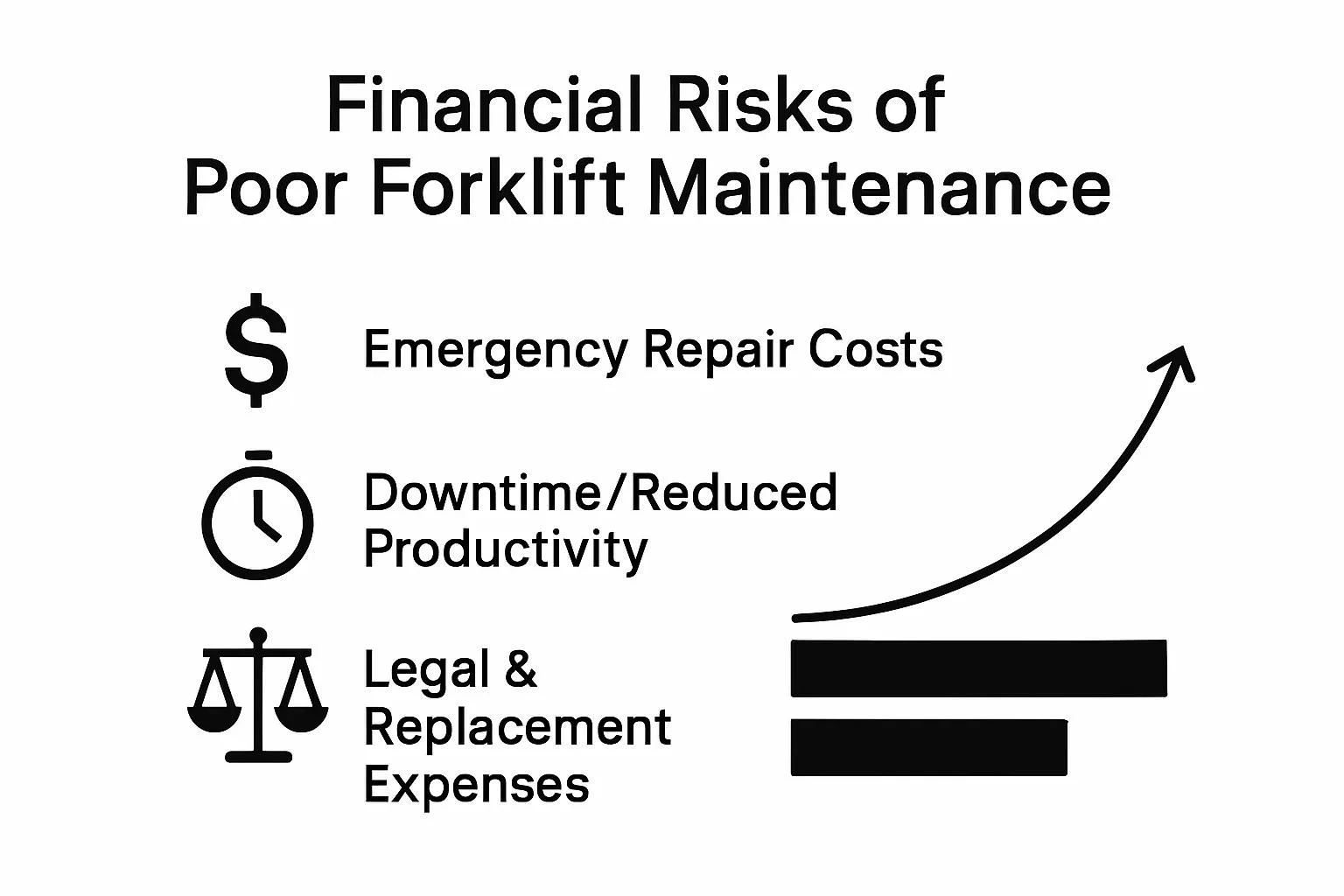
For B2B warehouse operators, daily maintenance directly controls total cost of ownership (TCO). Our team sorted a decade of project data and summed up four major risks of neglected upkeep.
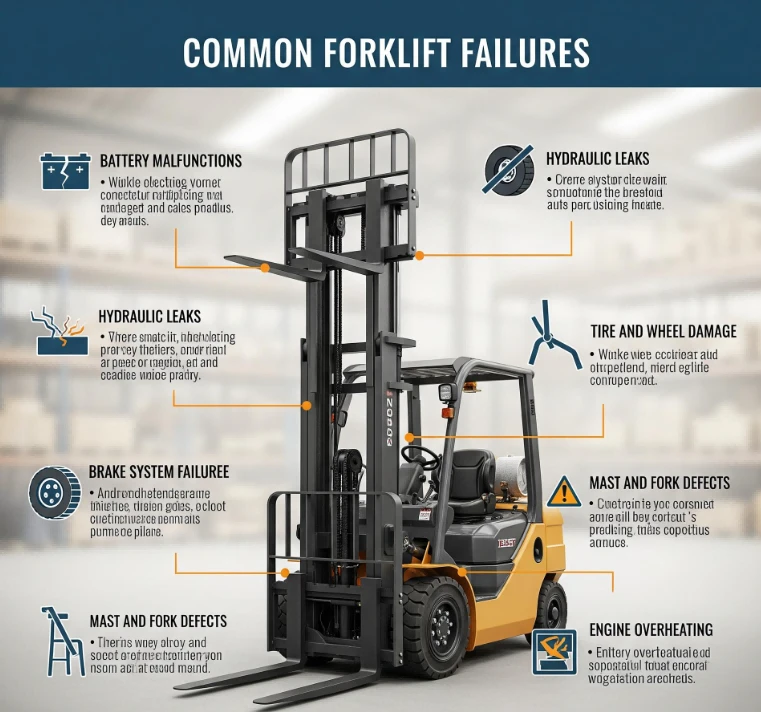
First, premature battery failure. Batteries are the priciest spare part for electric forklifts. Over-discharging, irregular charging and extreme temperatures damage battery cells and BMS systems, forcing expensive early replacement. Second, unexpected breakdowns. Small issues like hydraulic leaks, worn tires and loose wiring escalate into sudden shutdowns, disrupting loading schedules and hurting productivity. Third, severe safety risks. Malfunctioning brakes, deformed masts and broken warning lights cause most warehouse forklift accidents, while daily inspections eliminate nearly all hidden hazards. Fourth, higher running costs. Unmaintained units draw extra power and need frequent spare part changes, wiping out electric forklifts' energy-saving advantages against diesel models.
Based on on-site engineering experience, I simplified inspection work into before-shift, during-operation and post-shift routines, suitable for all single and multi-shift warehouses.
Before every shift, operators complete core visual and functional checks. Inspect batteries for leaks, corrosion and loose terminals; check voltage and residual power, and top up electrolyte for lead-acid models. Examine tires for cracks, excessive wear and trapped debris. Check forks and masts for deformation, test smooth lifting movement and lubricate mast chains. Inspect hydraulic pipelines for oil leakage and confirm sufficient hydraulic fluid. Finally, test headlights, horns, reversing alarms and dashboard fault indicators.
During operation, follow standardized driving rules to reduce wear. Avoid harsh acceleration, hard braking and sharp turns. Never drain batteries below 20% remaining power, which creates irreversible cell damage. Watch for abnormal noise, vibration or strange smells and stop work immediately if any faults appear. Strictly ban overloading and over-height stacking to reduce strain on masts and hydraulics.
After finishing daily shifts, finish three key maintenance steps. Charge batteries following official specs: avoid overcharging lithium units and run monthly equalization charging for lead-acid batteries. Wipe dust, cargo residue and oil from the whole forklift, battery compartment and mast gaps to prevent overheating and bad electrical contact. Park on flat ground, fully lower forks, cut all power and engage the hand brake. Record daily runtime, charging status and any faults for later preventive service.
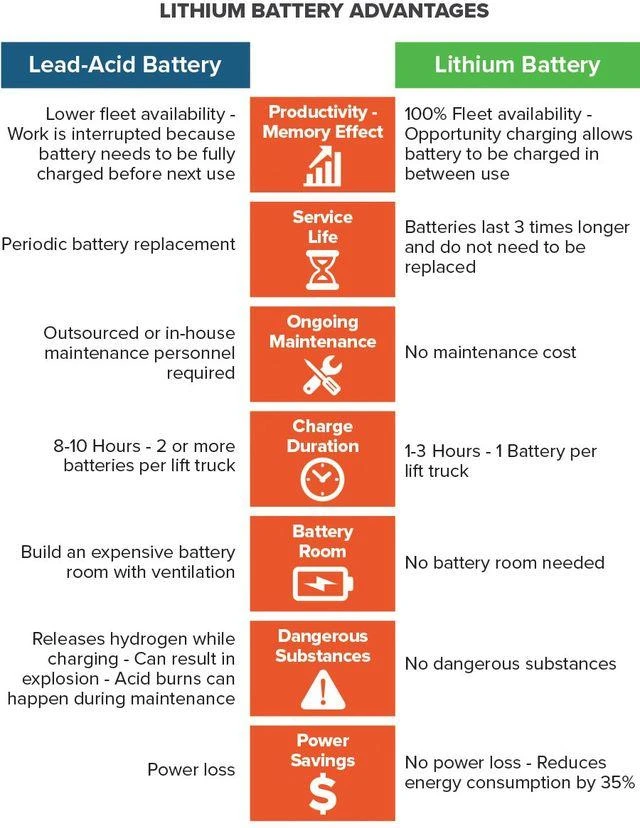
Lithium batteries fit high-frequency multi-shift warehouses with low daily maintenance needs. Rely on the built-in BMS to automatically protect against overcharge, over-discharge and overheating. Avoid charging or running forklifts below -20°C or above 45°C; cold storage facilities need battery insulation covers. Do not fully drain lithium batteries frequently, and clean terminals regularly to prevent oxidation.
Lead-acid batteries are budget-friendly for low-light use but demand regular care. Check electrolyte levels weekly and refill distilled water as needed. Run equalization charging once per month to balance cell voltage, and coat terminals with anti-rust grease to avoid poor contact.
In comparison, lithium batteries deliver 2000–3000 charge cycles while lead-acid versions only last 800–1200 cycles. Matching battery type to your shift schedule and sticking to maintenance rules greatly delays replacement costs.
Many frequent equipment faults come from improper configuration during purchase, not poor daily care. Custom masts are often overlooked: choosing undersized masts for high stacking leads to constant overloading, fast chain wear and repeated jitter failures. Always pick mast height and load capacity matched to your rack layout.
Reserve a 10–20% load capacity margin to avoid long-term overloading, which ages tires, drive motors and hydraulic parts rapidly. Match batteries and tires to your site: cold warehouses need low-temperature lithium batteries, and uneven yards require thick wear-resistant tires. Wrong configurations push up failure rates and long-term TCO.
Certification & Safety Inspection Standards
EU and US warehouses enforce unified core safety standards despite minor regional differences. All operators must hold official forklift operation certificates to cut accident and equipment damage risks. Fleets need daily visual checks, weekly function tests and annual professional safety audits covering brakes, lifting systems and battery safety. Batteries must pass local safety certifications, with regular tests to prevent leakage and thermal runaway.
Breakdown of Electric Forklift Maintenance Expenses
Five cost categories make up your full maintenance budget. Battery replacement is the biggest cost: lithium batteries last 6–8 years while lead-acid units need swapping every 3–4 years. Other costs include daily inspection labor, regular spare part replacements (tires, chains, seals), productivity loss from unplanned downtime, and excess power consumption caused by neglected maintenance. Consistent daily checks remain the cheapest way to lower total fleet expenditure.
DawnShine Forklift Long-Life Electric Forklift Solutions
As a professional forklift manufacturer serving global logistics, food and pharmaceutical clients, DawnShine Forklift designs low-maintenance electric forklifts optimized for long-term fleet value. Our lineup covers 1.0–5.0 ton models, with two battery options: high-cycle lithium for multi-shift heavy use and cost-effective lead-acid for low-frequency sites. We offer custom masts tailored to high racking and narrow aisles, and all units come with intelligent BMS for automatic battery protection. Every model meets EU and US safety certifications, with low failure rates and simple later maintenance.
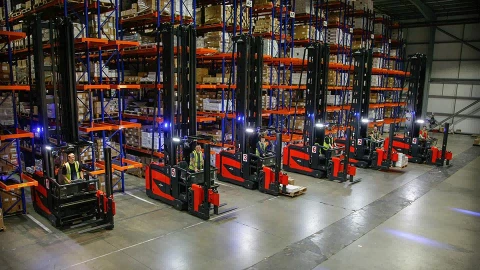
If you need low-maintenance, long-life electric forklifts or a personalized preventive maintenance plan for your warehouse fleet, our engineering team provides free one-on-one configuration advice. Share your warehouse size, daily shifts, average load and battery preference to get a tailored solution.