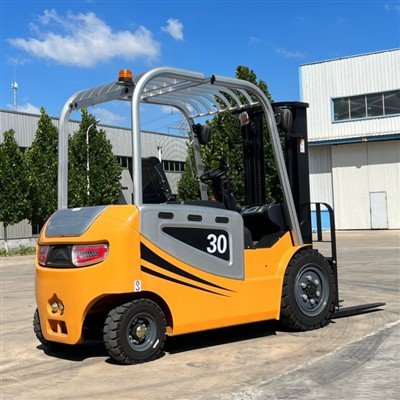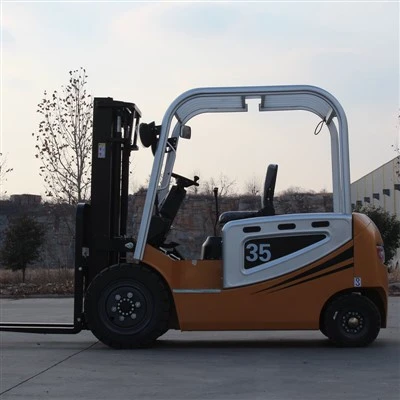
The Biggest Mistake in Steel Handling Is Choosing a Forklift by Tonnage Alone
In steel factories, forklift selection often begins with one straightforward question:"How many tons can it lift?"
This is an understandable starting point. Steel goods carry substantial weight, so lifting capacity seems like the most critical specification.Years of supporting industrial-material-handling projects show a clear reality: steel facilities seldom run into trouble because a forklift fails to lift a load on a single occasion. Problems arise when equipment cannot hold consistent performance through thousands of repeated handling cycles.
A multi-ton steel coil, bundled steel pipes, or heavy billets each come with distinct handling demands. Weight is only part of the challenge. What matters is the full mix of load properties, operating frequency, floor conditions, production pace, and maintenance requirements.
A forklift performing reliably in a standard warehouse can turn inefficient and unreliable within a steel‑mill environment.The right question is not:"Can this forklift lift our steel products?"A far more relevant question is:"Can this forklift keep our steel‑handling operations running safely and efficiently, day in and day out?"
This is the real benchmark seasoned steel operators rely on when sourcing heavy‑duty forklifts.
Why Steel Factory Handling Creates Different Forklift Challenges
Steel plants represent one of the harshest working environments for material‑handling equipment.Unlike palletised goods inside distribution warehouses, steel products bring their own set of operational pressures.
Concentrated Heavy Loads
A steel coil does not spread weight the way a standard palletised load does.
Its weight sits within a small contact footprint, placing extra stress on the forklift's mast, front axle, tyres and hydraulic system.While accelerating, braking or cornering, the machine has to handle not just static load weight, but also dynamic forces created by the shifting cargo.
Even a forklift with adequate rated capacity can suffer excessive component strain, if its build and parts are not engineered for heavy‑duty steel‑handling work.
Continuous Heavy-Duty Working Cycles
Another frequent misconception is focusing solely on the single heaviest load.In practice, many steel factories run non‑stop operations.
A forklift may carry out these tasks:moving steel coils off production lines; transferring materials into storage zones; loading outbound trucks; repositioning goods across outdoor yards.
Issues tend to surface over time.A unit that runs smoothly for a few hours can develop:overheating; accelerated tyre wear; hydraulic pressure irregularities; more frequent maintenance needs.
For production managers, a one-off failed lift is rarely the main worry.Unplanned downtime that disrupts the full manufacturing workflow is what matters most.
Harsh Industrial Environments
Steel plants are nothing like clean warehouse facilities.Depending on the job, forklifts can operate within:High-heat work zones; dust-filled production areas; open-air steel yards; uneven ground littered with metal debris.
These real-world conditions factor heavily into equipment selection.A heavy-duty forklift needs to be assessed as a complete working system, rather than judged on lifting capacity alone.
Real Steel Industry Case: Why Heavy Load Forklift Selection Requires Engineering Thinking
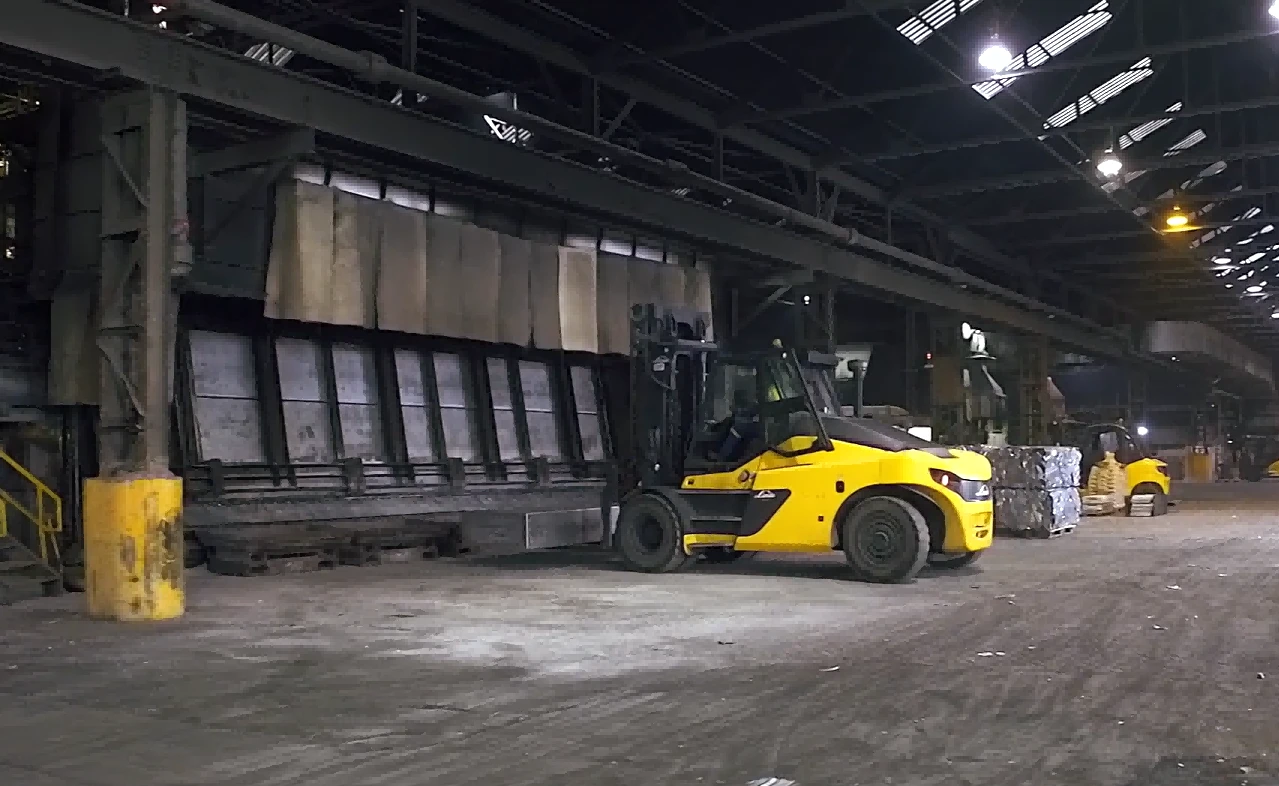
A compelling real-world example comes from steel handling operations at the Raahe Steel Mill in Finland, featured in Kalmar's official project cases.
The mill deploys heavy-duty forklifts rated at 62 tons to manage on-site steel coil logistics. These machines are engineered to handle coils ranging from 5 to 30 tons, supporting both single and dual-coil lifting for rigorous industrial workflows.
(Source: Kalmar customer case – Raahe Steel Mill heavy forklift application)
The key takeaway from this project is not simply its impressive 62-ton lifting capacity. A common industry pitfall is assuming higher tonnage alone solves heavy-load handling challenges.In reality, this equipment selection was driven by a full set of operational factors:actual steel coil weight range; high-frequency repetitive handling cycles; harsh on-site production conditions; long-term operational reliability standards.
Steel mills do not invest in heavy-duty forklifts to handle occasional one-off heavy lifts. They invest in robust equipment to sustain consistent, reliable performance through thousands of repetitive cycles across the machine's entire service lifespan.
Why Standard Forklifts Often Become a Compromise in Steel Plants
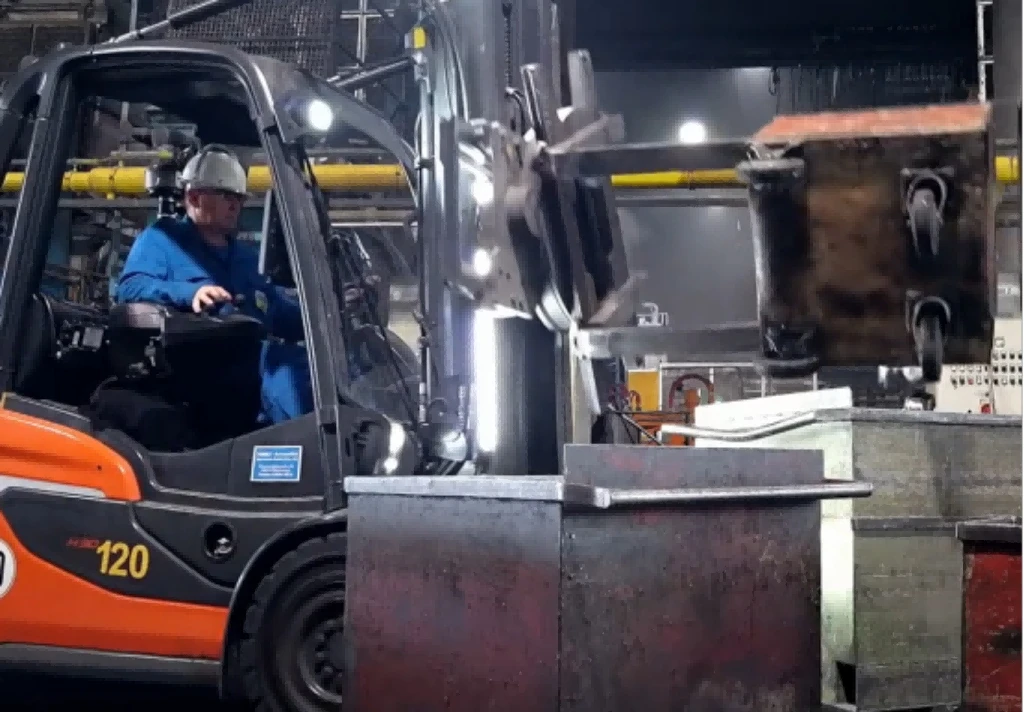
Many steel plants start out considering their existing standard forklift fleets, and the reasoning is easy to understand.
Sticking with current equipment offers clear advantages: Operators are already fully familiar with the machines; Maintenance teams know their repair and service requirements; No large upfront investment is needed.For lighter, occasional steel-handling tasks, this approach works perfectly well. However, standard forklifts quickly show weaknesses when pushed into continuous, heavy-duty steel operations.
Common limitations fall into three key areas:
Structural Stress
A standard forklift may have enough rated capacity for sporadic heavy lifts, but its frame, axles and hydraulics are not built to withstand long-term, repeated heavy-load cycles.
Stability Concerns
Steel payloads have entirely different load centers compared with regular palletized goods.
Poorly matched equipment configuration compromises:overall operational stability; braking consistency; operator safety and confidence.
Higher Maintenance Pressure
When machinery operates outside its intended design parameters, maintenance demands inevitably rise. The hidden cost extends far beyond repair fees - it includes unplanned downtime that directly cuts into production output.
This is why experienced procurement teams evaluate full-lifecycle performance, rather than basing decisions on upfront purchase price alone.
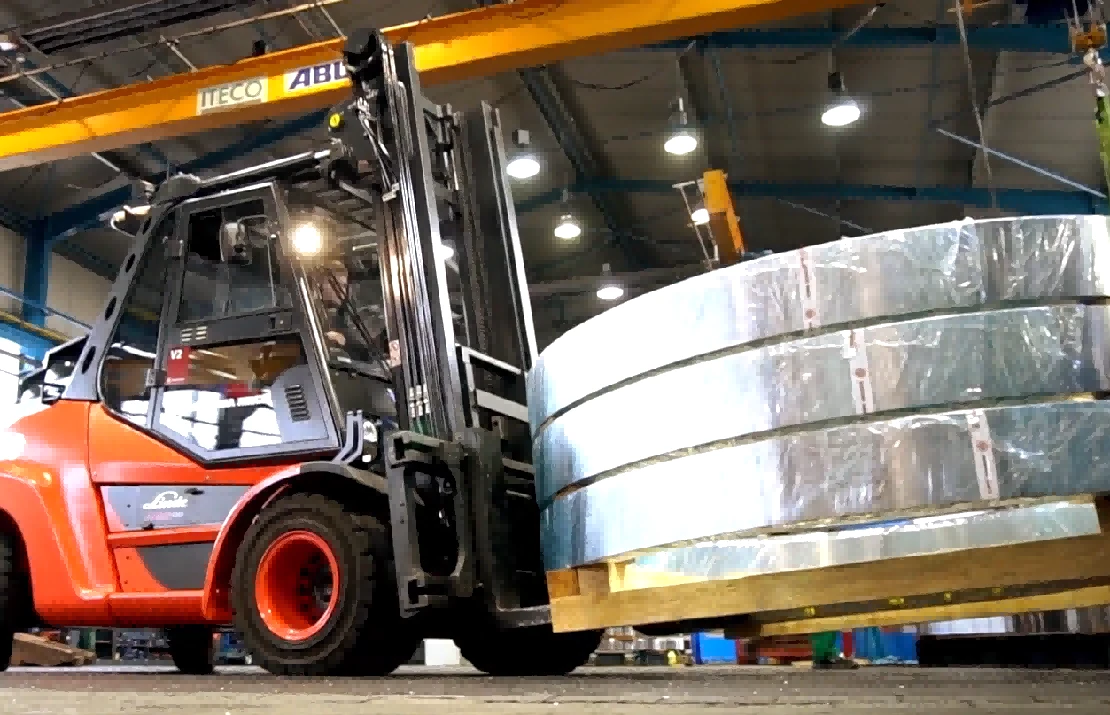
Choosing the Right Heavy Load Forklift for Different Steel Applications
Not every steel-handling job calls for identical forklift specifications.The right solution comes down to what materials the facility actually moves.
Steel Coil Handling
Steel coil operations typically demand:high structural strength; stable load control; properly matched coil attachment; precise positioning capability.
A coil ram or purpose-built attachment is often better suited than standard forks, given the unique load shape and shifted centre of gravity.
When working with steel coils, the key question is not merely:"How heavy is the coil?"It is equally important to ask:"How safely and consistently can the forklift place that coil, cycle after cycle?
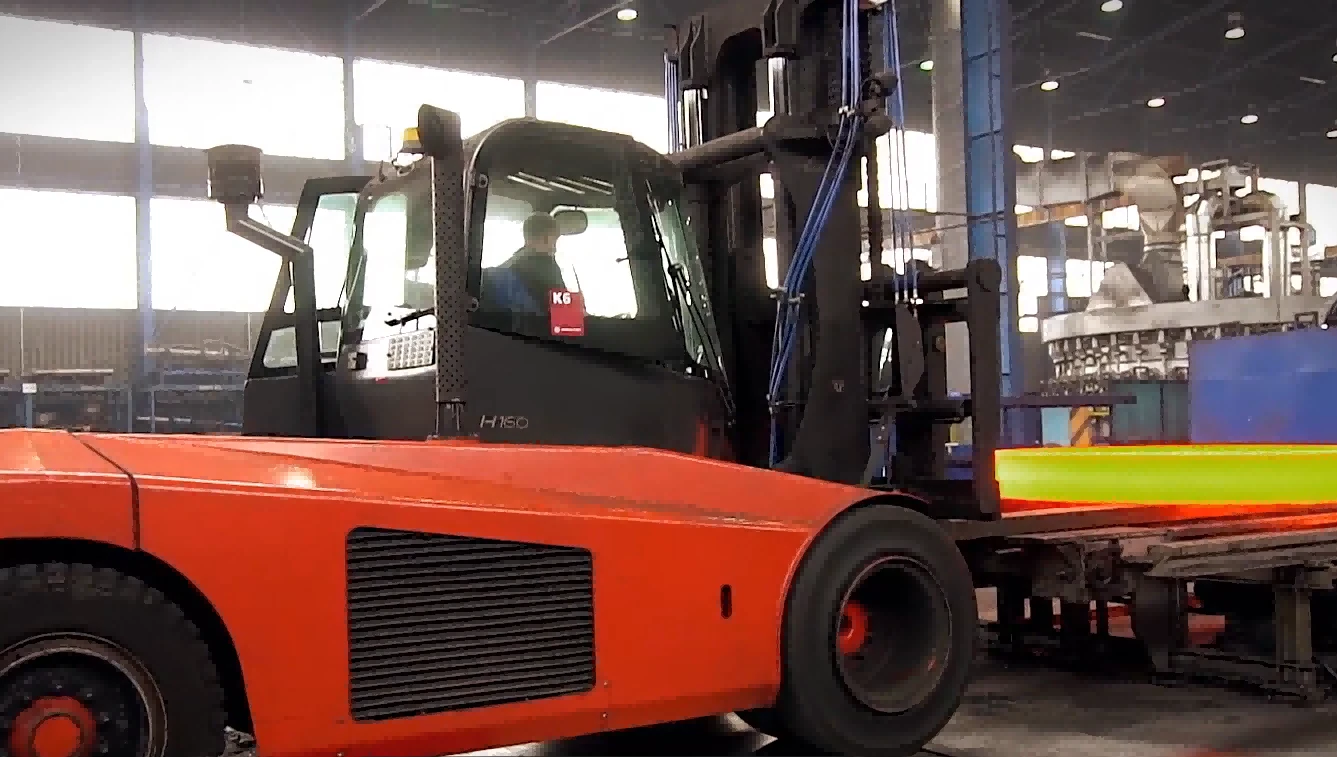
Steel Billet and Slab Handling
Billets and slabs bring a unique set of material-handling challenges. These workloads typically involve:extremely heavy payloads; high-volume, frequent production cycles; outdoor storage and transit operations.
Key equipment considerations include:robust axle strength; reliable cooling performance; heavy-duty tyre durability; clear operator visibility.
Forklifts in these settings must sustain stable, consistent performance through endless repeated runs between production lines and outdoor storage yards.
Long Steel Products and Fabrication Materials
Steel fabrication facilities commonly handle long-form materials such as structural beams, steel pipes and profile sections.
Raw lifting capacity is not the only priority here. The forklift must also align perfectly with on-site conditions, including:limited working aisle space; tight turning radius requirements; purpose-matched attachment setups.
Even a high-capacity forklift will prove inefficient if it cannot maneuver smoothly within the facility's actual layout and workflow constraints.
Key Factors to Check Before Purchasing a Heavy Load Forklift
1. Understand the Real Working Cycle
Before finalizing any equipment choice, buyers need to clarify their actual on-site operating conditions:How many hours the forklift runs each day; How many lifting cycles are completed per shift; The proportion of indoor versus outdoor operation.
A forklift running just two hours daily has vastly different requirements compared to units working continuous three-shift steel production schedules.
2. Look Beyond Rated Capacity
Lifting capacity is merely a single technical spec. Professional equipment selection requires evaluating additional critical factors:load center positioning; attachment compatibility; mast structural design; overall stability standards; braking system performance.
A forklift with a 20-ton rated capacity is not always suitable for every 20-ton steel handling scenario.
3. Evaluate Ground Conditions
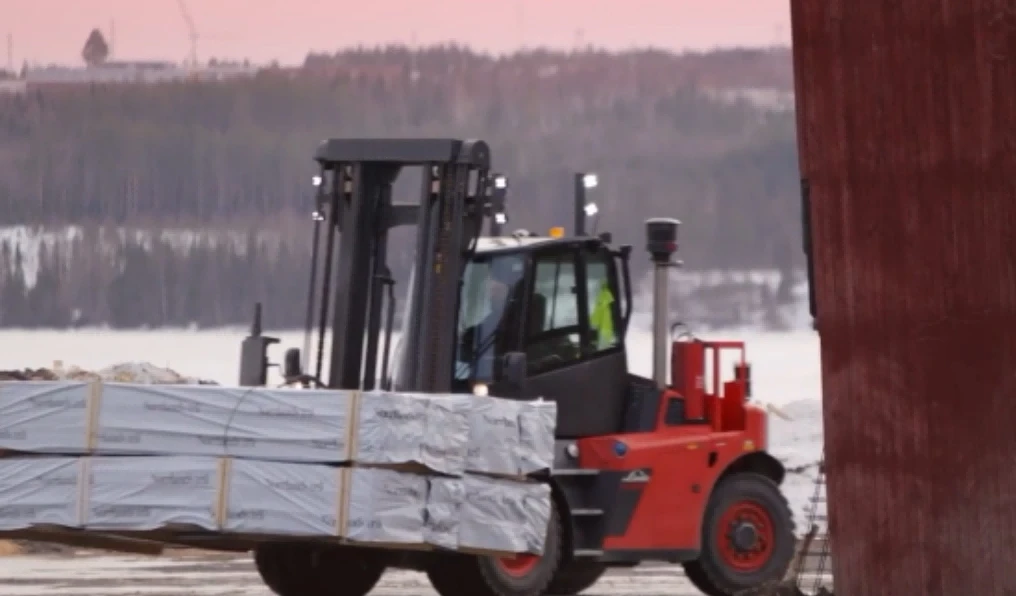
Outdoor steel yards introduce a host of extra operating challenges. Be sure to account for:uneven concrete surfaces; scattered steel debris; heavy onsite dust; wet, rainy weather exposure.
Poor ground conditions amplify mechanical stress on tyres, suspension parts and the overall chassis.In many cases, improving site conditions delivers greater long-term value than simply upsizing to a larger forklift.
4. Consider Maintenance and Lifetime Cost
For heavy industrial machinery, upfront purchase cost only tells part of the story. A complete, reliable evaluation must factor in long-term operational variables:
local spare parts availability; ease of routine maintenance; after-sales service response speed; expected equipment service lifespan
A lower-cost forklift that causes frequent downtime often ends up being far more expensive over years of continuous operation.
When a Heavy Load Forklift Is Not the Best Choice
A professional supplier should also understand when heavy load forklifts are not the right solution.
Automated Steel Warehouses
Facilities running highly automated storage systems often achieve smoother integration with AGVs and other automated handling solutions, rather than conventional heavy forklifts.
Extremely Narrow Working Areas
When worksite constraints stem primarily from limited space instead of heavy tonnage, compact equipment and application-specific warehouse solutions deliver better results.
Molten Metal Handling
Heavy-load forklifts are engineered for finished steel product transportation. They cannot replace purpose-built metallurgical equipment designed for direct molten metal processing.
Selecting the highest-capacity machine does not always guarantee the right outcome. True operational value comes from matching equipment to your actual workflow.
A Practical Heavy Load Forklift Selection Checklist for Steel Factories
Steel plant managers can use this straightforward checklist to validate specifications before purchasing heavy-load forklifts:
Material Requirements
What types of steel products are being handled? What is the maximum load weight?
What are the load shape and center of gravity characteristics?
Operation Requirements
What are the daily operating hours? How many handling cycles occur per shift?
Is the work completed indoors, outdoors, or both?
Environment Requirements
Does the site feature high-temperature working zones? Is heavy dust present year-round?
Are surfaces uneven or rough? Does the environment carry corrosion risks?
Equipment Requirements
Application-matched working attachments; Durable heavy-duty core components;
Reliable local maintenance support; Easily accessible spare parts supply.
Final Thoughts: The Right Forklift Should Protect Production, Not Only Lift Steel
A heavy-load forklift gains no real value from sheer lifting capacity alone. Its true worth lies in keeping steel handling operations consistent and predictable.In steel mills, every small workflow delay can ripple across production schedules, warehouse efficiency, and overall delivery performance.
The ideal forklift aligns perfectly with four core operational factors:the type of steel materials being moved; site environmental conditions; existing production pace and rhythm; long-term maintenance and service strategies.
The costliest mistake is not opting for a lower-capacity forklift. It is investing in equipment that looks capable on paper but fails to hold up under real steel plant operating conditions.
For heavy steel handling, smart equipment selection always prioritizes on-site workflow understanding first - and machine specifications second.