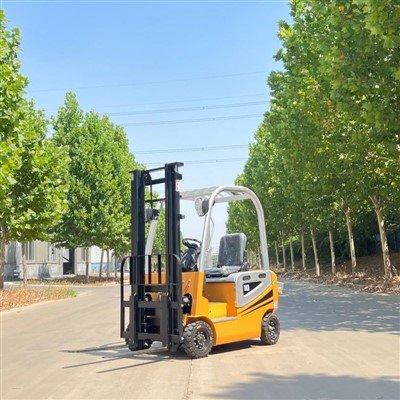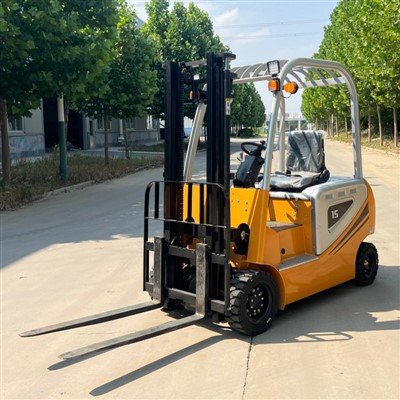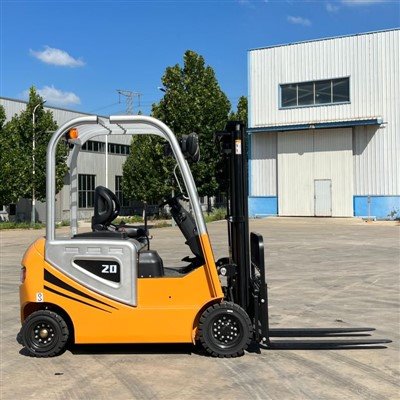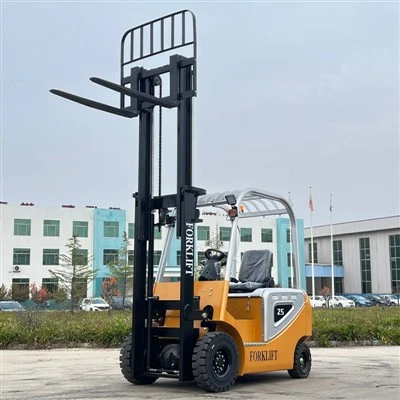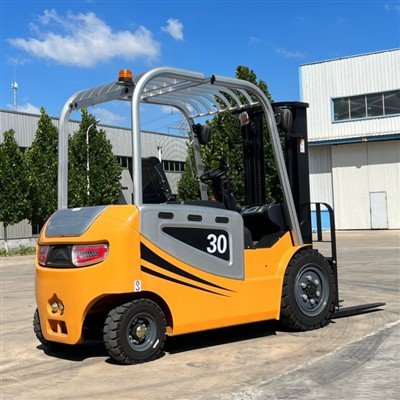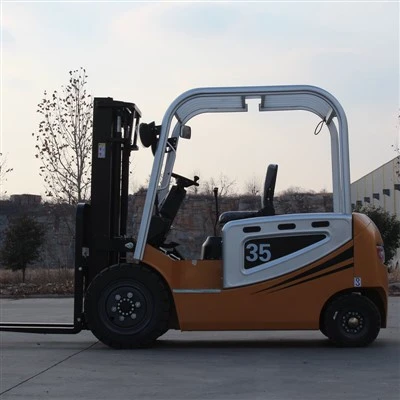
Most Forklift Buyers Start with the Wrong Question
One question comes up in almost every conversation with a new customer:"Should we buy electric, diesel, or LPG forklifts?"
It sounds like a logical place to start, but after years of working with manufacturers, warehouse operators, contractors, and fleet managers, we've learned that this question rarely leads to the right answer.The forklift unit is just one piece of the whole puzzle.What ultimately decides whether your procurement turns into a worthwhile investment lies in all the surrounding factors: the working environment, daily operation rhythm, on-site operators, and practical pain points that will never be listed on official spec sheets.
Two businesses may both require a 3-ton forklift, yet end up picking entirely different models.The first runs a food distribution warehouse, where forklifts shuttle along fixed aisles hundreds of times per shift. Its core demands are straightforward: zero emissions, precise load control, low noise levels, and zero delays to outgoing shipments.The second undertakes structural steel loading in an outdoor yard. Its forklifts spend most of the workday travelling across uneven ground, hauling bulky heavy goods between trucks and storage zones. In this scenario, uninterrupted uptime is far more critical than quiet running.Both sites require stable material handling solutions, yet they are not suited to identical forklift setups.
That is why experienced buyers rarely begin by comparing electric, diesel, and LPG as competing technologies. They begin by understanding what the operation demands every single day.
The Most Expensive Forklift Is Usually the One That Doesn't Fit the Job
Most buyers still centre their purchasing choices on upfront purchase price.This mindset is reasonable; capital expenditure budgets are clear and quantifiable. By contrast, fuel bills, maintenance labour, unplanned downtime and long-term compliance expenses are far harder to forecast.
Nevertheless, these recurring costs make up the bulk of total cost of ownership.Some businesses upgrade old diesel fleets to electric models in hope of instant cost cuts, yet end up stuck with charging bottlenecks during busy production periods.Others rule out electric forklifts due to their higher initial price tag, then bear years of extra costs including ventilation renovations, engine repairs and rising fuel fees in indoor spaces where diesel units were never a good fit to begin with.Neither decision was wrong because of the equipment.The mistake happened much earlier.The operation itself was never fully evaluated.
Before going into details about batteries, engines or gas cylinders, seasoned fleet managers start with a series of practical questions:How many hours does each forklift run per day? Does material handling work take place within a single shift, or run round the clock across three shifts? Do forklifts operate entirely indoors, or travel between warehouses, loading bays and outdoor storage yards? Will current working conditions stay unchanged over the next five years?
You will never find these questions listed in official product brochures, yet they exert a greater influence on long-term value than rated lifting capacity.
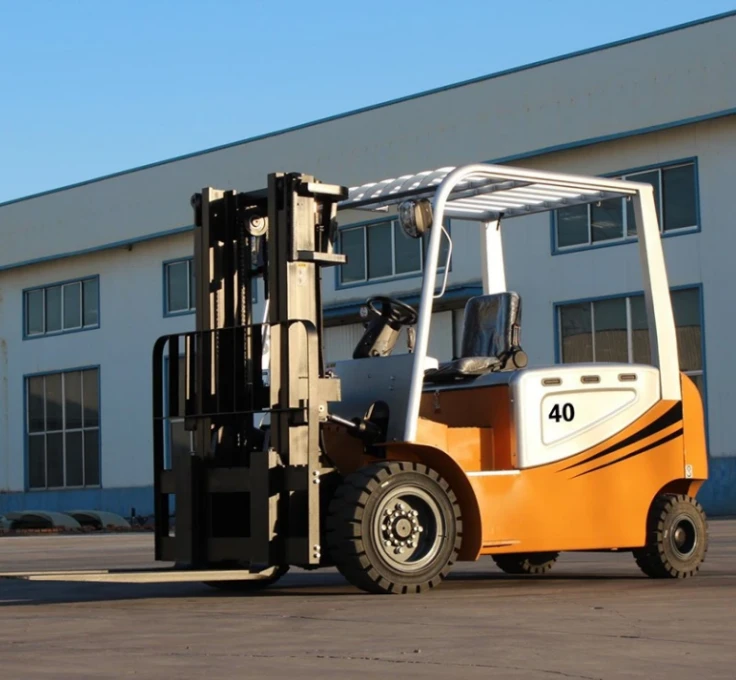
A Forklift Doesn't Work in a Catalogue. It Works Inside Your Operation.
Most forklift comparison content focuses too heavily on technical specs.
It is true that electric forklifts produce zero tailpipe emissions, diesel forklifts deliver stronger torque, and LPG forklifts offer flexible operation.All these facts are technically accurate.Yet none of them explains why one business thrives with electric forklifts, while another switches back to diesel after just a few years.Real projects are rarely that simple.
A forklift never works alone,it becomes part of your entire operational system.It ties into your warehouse layout, loading schedules, on-site operators, maintenance routines, charging or fuel infrastructure, ventilation setup and production goals.Changing one factor often impacts the whole workflow.
This is why experienced material handling consultants prioritize observing on-site workflows over simply comparing machine horsepower.
Why More Warehouses Are Moving Toward Electric Forklifts
Over the past decade, electric forklifts have become the top choice for warehouses, manufacturing plants and distribution centers. This shift stems not only from advanced battery technology, but also from evolving warehouse operational demands.
Modern logistics relies heavily on consistent, stable workflows.Order picking speeds up, inventory turnover accelerates, and labor shortages have made operator productivity more critical than ever.Facilities are required to run with minimal downtime, while complying with stricter environmental and workplace safety standards.
Electric forklifts fit perfectly into this modern operational model.Their well-known benefits include zero emissions, quiet operation and lower maintenance costs - but these only scratch the surface.What warehouse managers value most is operational predictability.Electric drive systems deliver steady acceleration and precise, consistent control all day long. Operators spend less time adjusting to machine performance, especially during repetitive pallet-handling tasks. Minor operational improvements add up quickly across thousands of daily movements.
For facilities prioritizing inventory accuracy and uninterrupted workflows, consistent performance often matters more than raw power.
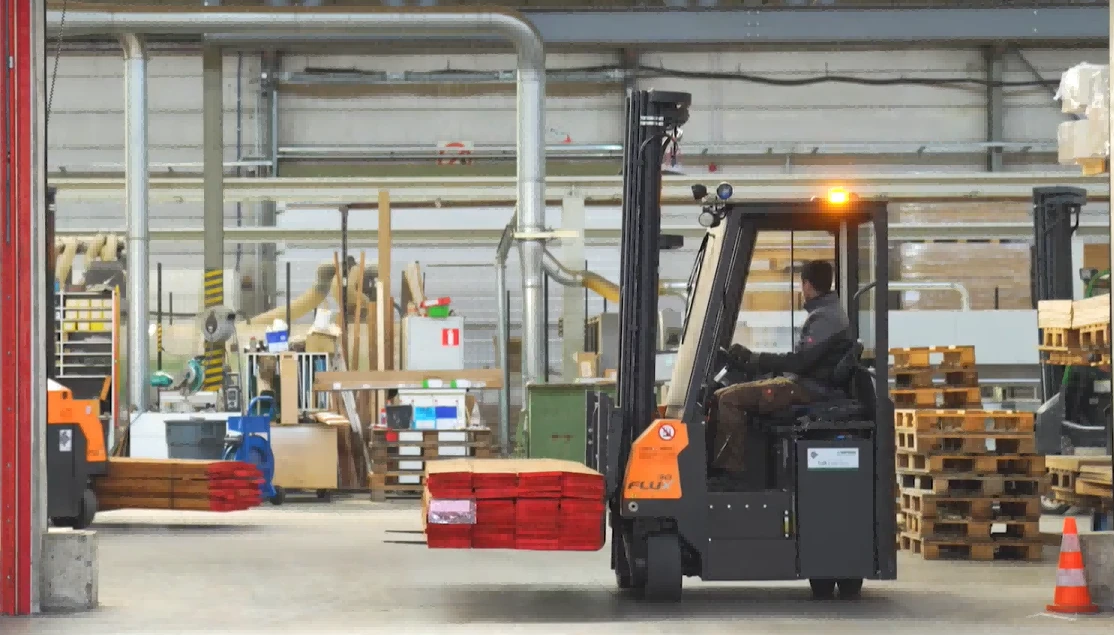
A Good Example Isn't About Technology. It's About Daily Operations.
We can see clear evidence from real-world food distribution and retail logistics case studies released by Toyota Material Handling Europe and Jungheinrich.These brands do not market electric forklifts purely as eco-friendly equipment. Instead, their case studies consistently highlight operational stability as the core advantage.
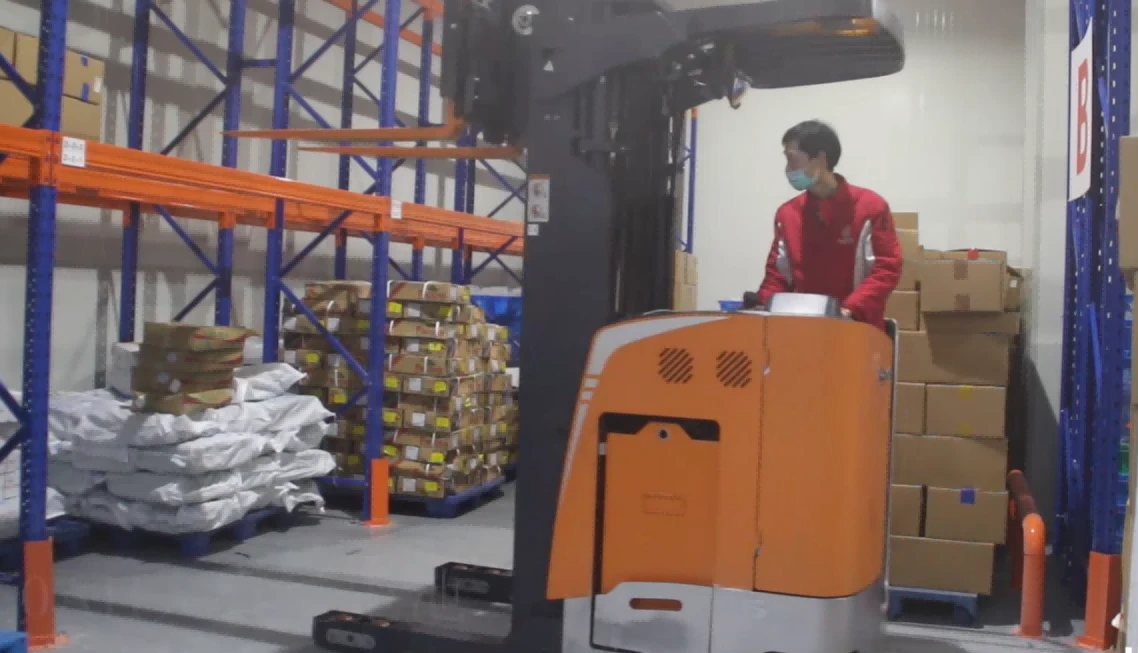
Distribution centers for temperature-sensitive food products require forklifts to operate indoors for long hours, often in close proximity to on-site staff.Their operational priorities are highly practical:minimize unplanned downtime; lower indoor noise levels; streamline maintenance scheduling; sustain clean working conditions for packaged food storage.Fleet electrification in these warehouses is rarely driven by environmental benefits alone.Operators adopt electric forklifts primarily because eliminating indoor exhaust simplifies daily workflows and creates a safer, more comfortable workplace for employees.
(Reference: Toyota Material Handling Europe warehouse cases; Jungheinrich logistics and food distribution solutions)
Take note of one key detail in these professional case studies.They rarely label electric forklifts as "universally better".They frame them as better suited for specific operational scenarios.This subtle difference makes all the difference in equipment selection.
Electric Isn't the Right Answer for Every Warehouse
Electric forklifts have seen tremendous upgrades in recent years.Battery performance has advanced rapidly, charging solutions grow faster, and lithium-ion systems greatly cut down maintenance work.
Even so, these improvements do not mean every operation should blindly phase out internal combustion forklifts.We have consulted many clients who planned to fully replace their diesel fleets with electric models, driven by projected fuel-cost savings.Yet a close review of their actual operating patterns changed everything.
Their forklifts ran nearly nonstop across three shifts.Charging stations were situated far across the facility.Meanwhile, peak outbound loading hours overlapped with routine battery charging windows.Technically, electric forklifts were capable of handling the work.Operationally, mandatory charging breaks would create costly workflow disruptions.
Our solution was not to rule out electric forklifts entirely, but to redefine where they delivered real value.The customer ultimately adopted a mixed fleet strategy:Electric forklifts managed all indoor warehouse movements, while a compact diesel fleet supported round-the-clock outdoor loading operations.This choice was not based on preference for a certain technology.It was purely workflow-driven.
This is the logic behind all effective fleet planning.
Cold Storage Offers a Different Kind of Lesson
Simplified side-by-side comparisons also tend to mislead buyers looking at cold storage applications.
A frequent question we receive goes like this:"Can electric forklifts operate inside freezer environments?"The short answer is generally yes.The more useful question is:"Can it maintain the required operating cycle without affecting productivity?"
Low temperatures impact battery output, charging efficiency, hydraulic system performance and operator comfort alike.For frozen food warehouses and pharmaceutical cold chain facilities, picking an electric forklift entails far more than settling on a rated lifting capacity.Battery composition, thermal shielding arrangements, charging timetables, shift arrangements and maintenance schedules all factor into the final purchase call.
That explains why brands including Toyota Material Handling, Mitsubishi Logisnext and Jungheinrich supply purpose-built cold storage editions, instead of treating freezer work as ordinary warehouse operation.
Once more, this does not mean electric forklifts are unfit for cold rooms.The lesson is that successful equipment selection depends on understanding the entire operating environment-not just the machine itself.
Before Comparing Specifications, Understand the Workflow
At this point, one key takeaway becomes clear.The debate is no longer simply electric versus diesel.It is about finding which technology delivers the best fit with the fewest operational tradeoffs.
Electric forklifts have reshaped modern warehousing, as they excel in controlled indoor environments, predictable workflows, and facilities that manage energy with the same precision as inventory.Still, every advantage only holds true under the right conditions.
A forklift that performs flawlessly in a regional distribution center may not deliver the same results in steel yards, timber yards, or construction sites that demand nonstop outdoor operation.This is where the conversation shifts - and why diesel forklifts still retain their irreplaceable value, even amid the industry's fast-growing electrification trend.
Diesel Forklifts: Still the Right Tool for Jobs That Can't Afford to Stop
In recent years, a common industry assumption has taken hold:"Electric forklifts will eventually replace diesel models entirely."This view is understandable. Battery technology keeps improving, environmental regulations grow tighter, and manufacturers keep expanding their electric forklift lineups.
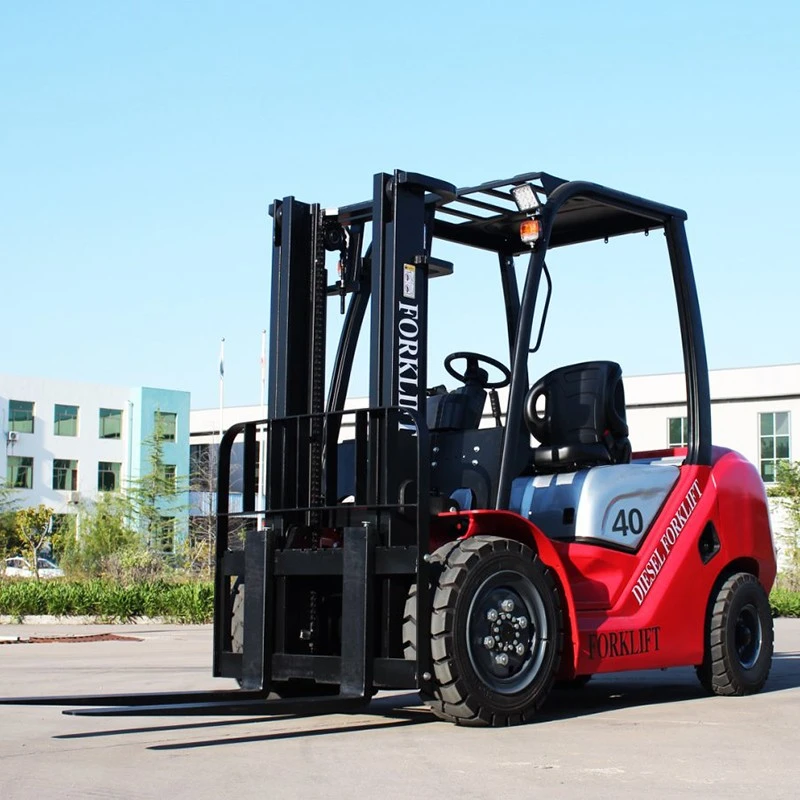
Even so, diesel forklifts still dominate daily operations at steel processing plants, timber yards, construction supply yards, ports and precast concrete facilities.This is not because these industries resist new technology.It is because their core operational demands have never changed.
When forklifts work outdoors full-time, hauling heavy loads over long distances in rainy, dusty or uneven terrain, on-site reliability outweighs nearly every other purchasing factor.For these worksites, fuel cost is not the biggest operational expense.Downtime is.A five-minute refuel stop is barely noticeable.But idle equipment caused by stalled production or delayed loading schedules creates costly losses.
This is why diesel forklifts remain a reliable, practical choice for heavy-duty applications.Not because they are outdated technology,but because they are still the best fit for these specific, high-stakes jobs.
Heavy Industries Measure Productivity Differently
Standard warehouse operations prioritize cycle efficiency
.Heavy industrial sites operate by a completely different metric:Can the forklift finish the day's workload without interruption?For steel service centers handling heavy structural steel bundles, productivity is never measured by how quietly a forklift runs.The only metric that matters is whether every outgoing truck gets fully loaded before delivery schedules fall behind.
Construction material suppliers face similar pressure.Their daily demand is rarely consistent.Morning deliveries create sharp loading peaks, followed by lulls before work ramps up again.Equipment must respond instantly at all times.Waiting for battery recharging is simply not practical when customer trucks are already lined up onsite.
This is a key reason diesel forklifts still excel in outdoor logistics.Energy availability is predictable.Refueling takes just minutes, lettinng the machine return to work almost instantly.
The Best Diesel Projects Rarely Focus on Horsepower
There is a notable pattern in real-world case studies from manufacturers including Hyster, Kalmar, and Mitsubishi Logisnext.
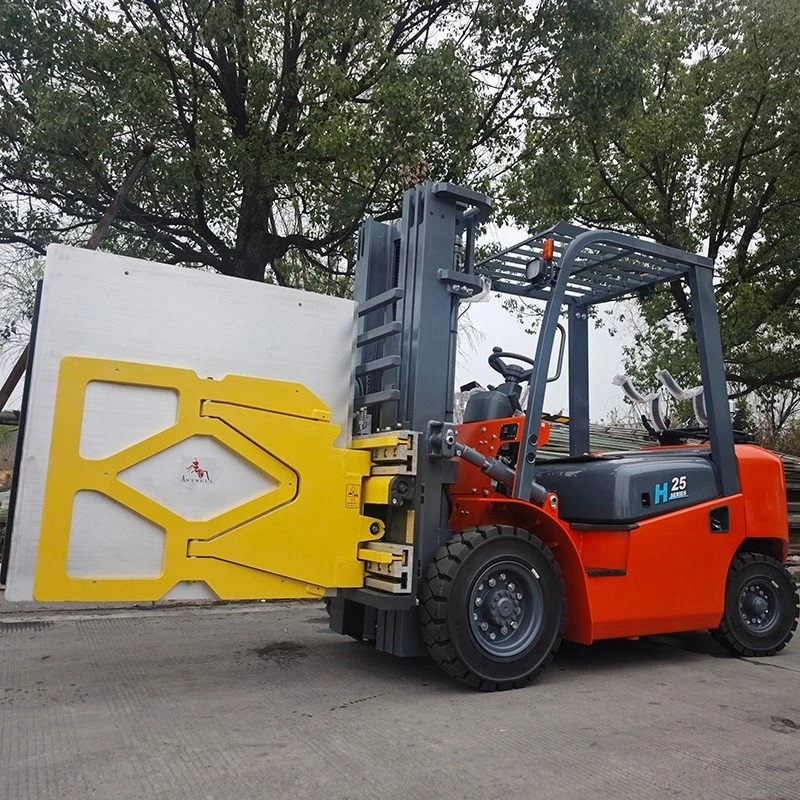
These success stories rarely focus on engine horsepower or raw performance specs.Instead, they center entirely on actual site conditions:outdoor stockyards, nonstop trailer loading cycles, rough uneven terrain, heavy-duty attachments, and long-distance transit routes.
In short, they represent work environments where unplanned downtime costs far more than higher fuel consumption.For example, a steel processing facility featured in Hyster's industrial cases confirms that forklift uptime directly dictates truck turnaround efficiency.The choice to keep diesel fleets was not based on outdated habit or brand preference.It was a practical decision to sustain smooth, uninterrupted outbound logistics all day long.
(Reference: Hyster heavy-duty application cases; Kalmar industrial handling solutions)
This distinction is critical.Seasoned fleet managers do not stick with diesel out of preference.They specify diesel equipment because certain operations still rely on its unique, irreplaceable on-site performance.

Diesel Has Limits-and Good Suppliers Should Say So
Many equipment vendors hurt their credibility with one-sided sales pitches.
Some market diesel forklifts as a universal fix for every working scenario, while others write them off completely in pursuit of full electrification.The practical truth lies somewhere between these two extremes.We have talked clients out of purchasing diesel fleets even when they initially insisted on going this route.
One manufacturing plant intended to keep ordering diesel units because their maintenance crew possessed decades of experience servicing internal combustion engines.On the surface, this seemed like a low-risk choice.Yet an audit of their redesigned production layout revealed a critical shift.
Forklifts would operate nearly full-time inside enclosed assembly workshops with far more staff on-site than previously.Their core operational demands had fundamentally changed.
Engine upkeep was no longer the primary priority; indoor air quality, ventilation requirements, operator working conditions and long-term regulatory compliance had become key factors for the investment.
Our suggestion was not biased against diesel power.It merely acknowledged that their working environment had evolved.
LPG Forklifts: A Practical Choice That Depends More on Geography Than Technology
LPG forklifts tend to get far less spotlight than electric and diesel alternatives.This is not due to limited performance, but because their practical value varies drastically by region.
In North America, Australia and parts of Southeast Asia, LPG forklifts remain a staple for mixed indoor and outdoor operations.
These regions feature widespread refueling infrastructure, operators familiar with cylinder swaps, and facilities that prioritize flexible, schedule-free movement between warehouses and loading zones - no charging planning required.
In most of Europe, however, market demand has gradually shifted to electric fleets, driven by advancing battery technology and stricter emissions regulations.
This does not render LPG forklifts obsolete.It simply proves their benefits rely heavily on local infrastructure and regional regulatory standards.Ultimately, understanding where a forklift works is just as critical as understanding how it works.
Where LPG Continues to Make Sense
LPG forklifts are seldom our first recommendation, yet they frequently serve as a well-balanced practical middle ground.
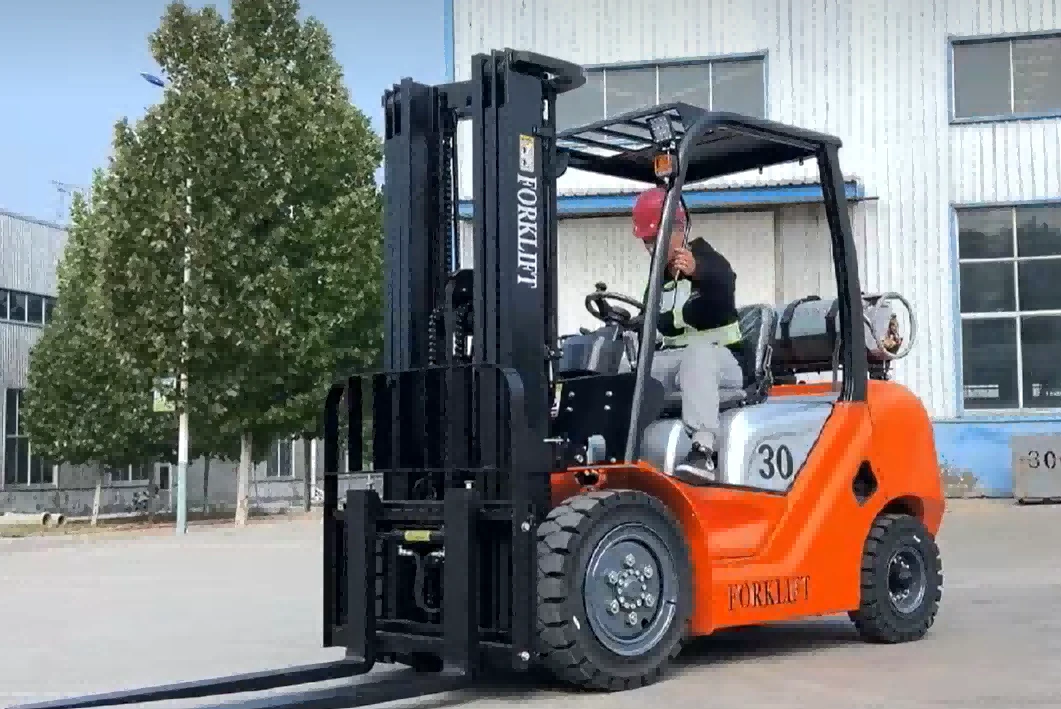
Manufacturing workshops are a typical use case.Forklifts unload raw materials outdoors in the morning, feed production lines indoors all day long, then load finished products in the afternoon.Neither diesel nor electric setups fit this whole workflow perfectly.
Electric units need careful scheduling for charging breaks, while diesel brings troublesome exhaust issues inside enclosed workspaces.LPG works neatly as a compromise between these two options.Brands including Crown Equipment and Hyster market their LPG forklifts around operational flexibility instead of peak performance specs, which aligns closely with real on-site usage patterns.
This selection does not hinge on picking the most cutting-edge technology.It comes down to choosing the option that brings the fewest operational drawbacks overall.
Why One Fleet Doesn't Always Need One Power Source
One of the biggest industry shifts over the past decade is the growing adoption of mixed forklift fleets.
Years ago, companies standardized on a single power source to simplify maintenance, operator training and spare parts inventory.Today's operations have become far more specialized.A modern distribution campus typically includes:high-density indoor warehousing, outdoor trailer staging areas, active production buildings, and container loading zones.
Each environment places unique demands on material handling equipment.Forcing one forklift type to cover every task usually results in unnecessary operational tradeoffs.Instead, many businesses now match equipment to actual job requirements:Electric forklifts handle repetitive indoor workflows.Diesel units manage heavy outdoor yard loading.LPG forklifts bridge indoor and outdoor crossover tasks.
This is not indecision - it is intentional fleet planning built around real workflow needs, not personal preference for a single product.
The Most Common Mistakes We See During Forklift Selection
Having assisted material handling projects across various industries, we keep encountering the same recurring errors during forklift procurement.The first mistake is judging options purely by upfront purchase cost while overlooking long-term running expenses.
A cheaper forklift can end up costing far more over its lifespan when you factor in fuel bills, routine repairs, unplanned downtime and battery replacement costs.The second pitfall is designing the fleet only around your current workload.
Forklifts are long-term capital assets. Warehouses expand, output rises, and environmental regulations get updated regularly.A model that works perfectly right now may turn into a bottleneck well before the end of its service cycle.The third error lies in assuming identical working conditions across every shift.
Busy loading windows, seasonal order surges, staff scheduling and charging timetables all affect how equipment performs on site. Neglecting these details easily creates preventable workflow bottlenecks.
Arguably the most frequently ignored mistake is picking machinery before analysing on-site workflows thoroughly.Forklifts are meant to fit your operation seamlessly. There should be no need to adjust the entire workflow around forklifts.
Total Cost of Ownership Is About More Than Energy
Seasoned procurement managers never base cost evaluations merely on upfront pricing.
They calculate every expense needed to keep forklifts running efficiently throughout their full service life.Electric fleets call for extra spending on charging infrastructure, regular battery management and scheduled battery replacement plans down the line.Diesel fleets incur ongoing fuel charges, routine engine servicing and expenses to stay compliant with evolving emission rules.LPG fleets bring extra work around gas cylinder delivery, safe on-site storage and continuous fuel supply coordination.
None of these expenditures function separately from one another.The core question is not which forklift carries the lowest sticker price.It is which option enables your business to run most cost-effectively across the next five to ten years.
The optimal solution may be electric in some cases, diesel in others, or a well-structured mixed fleet pairing the two.
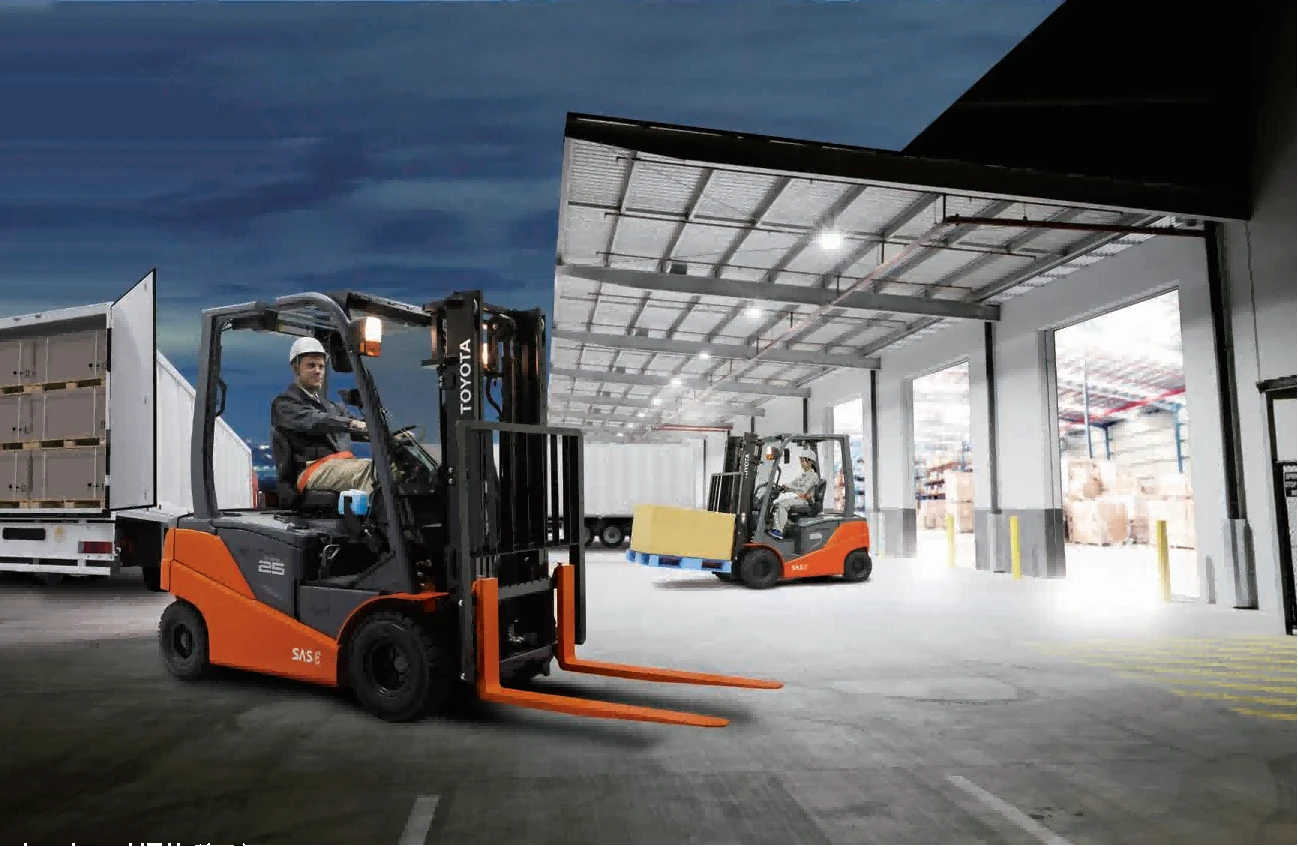
A Decision Framework We Often Use Before Recommending Any Forklift
When clients ask us to pick between electric, diesel and LPG forklifts, we never jump to a quick answer.We walk them through a straightforward assessment process step by step.
First, we analyse the working environment.Where will the forklift operate for most of its working hours? Primarily indoors? Predominantly outdoors? Or frequently travelling back and forth between indoor and outdoor areas?
Second, we assess the daily workload.How many running hours does each forklift log per day? Does the site run multiple shifts? Do operations face sharp spikes of high-volume loading work?
Third, we check existing on-site infrastructure. Can battery charging be arranged without holding up regular production? Is fuel supply conveniently accessible on site? Does the in-house maintenance team have more experience servicing one type of power unit?
Last, we take future development into account instead of only focusing on current conditions. Will production volumes expand later? Will warehouse layouts be restructured? Are local emissions regulations set to become tighter in the coming years?
We only begin comparing specific forklift models once all these points have been sorted out.At that stage, the most suitable solution is almost always easy to identify.
Final Thoughts
Electric, diesel, and LPG forklifts shouldn't be viewed as competing products trying to replace one another.
Each exists because different industries solve different operational problems.Electric forklifts have overhauled contemporary warehousing, delivering clean, low-noise and steady performance tailored to indoor workflows.Diesel forklifts stay indispensable for heavy outdoor assignments that require lengthy runtime, quick refuelling and stable performance amid harsh working conditions.LPG forklifts serve as a pragmatic option for sites prioritising flexibility over locking themselves into a single power solution.
Businesses that secure optimal long-term fleet performance never start their selection with technical specs.They start by dissecting their own workflows:tracking the whole path of material handling, locating recurring operational bottlenecks, pinpointing factors dragging down overall productivity.
Only afterward do they finalise which forklift models to incorporate into their fleets.Ultimately, the ideal forklift is not always the latest model, the most powerful unit or the cheapest option.It integrates seamlessly into daily operations to such an extent that operators barely notice the equipment itself, and can fully concentrate on finishing tasks efficiently.