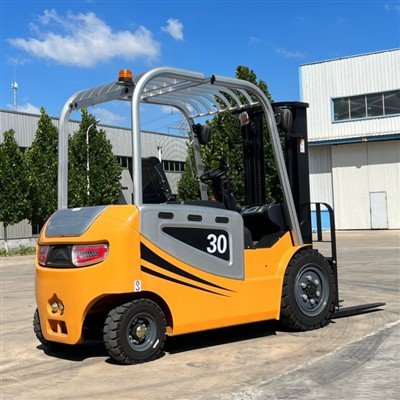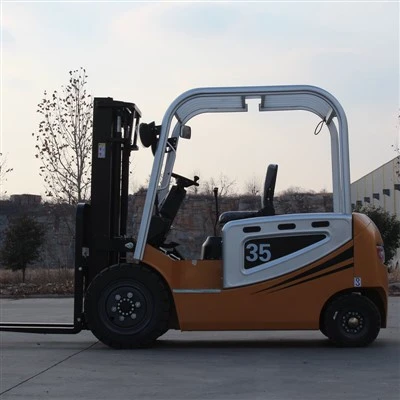
During my years working with warehouse customers across Europe, North America and the Middle East, I have seen many companies struggle with choosing between LPG forklift and electric forklift models. Some managers overinvest in electric forklifts only to face downtime from slow charging; others stick with LPG forklifts but fail to meet strict indoor emission rules. Picking the wrong warehouse forklift directly raises costs, reduces efficiency and puts compliance at risk.
As a forklift application engineer with 10+ years of material handling project experience, I help warehouse managers, importers and dealers answer one core question: Which forklift type fits my actual operation.
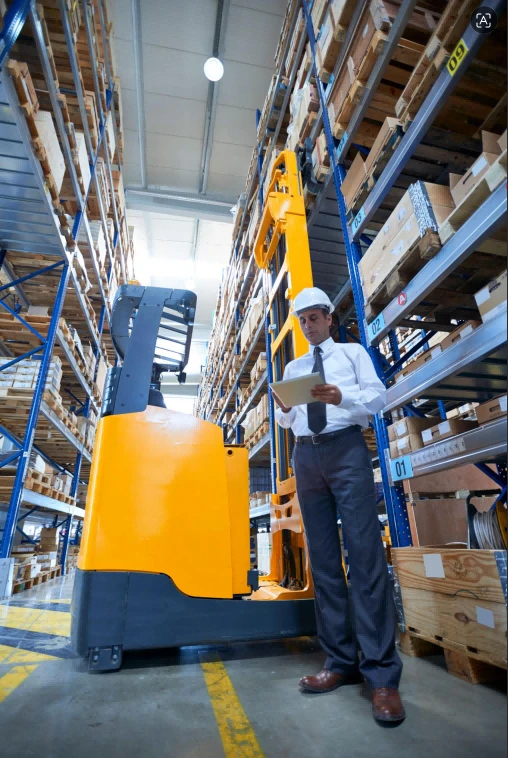
Over the past decade, our engineering team has supported more than 500 warehouse projects worldwide. I have noticed a clear pattern: most buyers do not lack product knowledge-they lack application-based selection logic.
One of our recent warehouse projects involved a large food distribution center in Germany. The client operated two daily shifts and handled both indoor storage and outdoor loading. They first bought electric forklifts to meet food-grade standards, but frequent battery changes halted production during peak hours. After we analyzed their workflow, we recommended a mixed fleet: LPG forklifts for outdoor and multi-shift duties, and electric forklifts for clean indoor zones. The result was a 40% drop in downtime and full compliance with food safety rules.
No forklift is universally better. The right choice depends on working environment, operating hours, load requirements and total cost of ownership. Below are two real customer application examples that show exactly when to choose LPG or electric forklifts.
1: Choosing LPG Forklift for Warehouse Operations
Project BackgroundTime March 2025;LocationGermany;IndustryFood distribution warehouse;Warehouse size10,000 ㎡;Working hours2 shifts/day, 16 hours total operation;Load capacity1.5–2.5 tons;Aisle width 3.5 meters;Operation features Mixed indoor storage and outdoor truck loading; frequent pallet movement; strict delivery timelines
The client's original electric forklift fleet caused serious operational bottlenecks:Long charging time (8 hours) could not support two continuous shifts;Battery performance dropped quickly during heavy-duty loading;Outdoor operation weakened battery life and increased failure risks;Frequent equipment downtime delayed shipping schedules
After reviewing their operation, our engineering team confirmed: LPG forklift was the ideal solution. The food distribution center needed non-stop runtime, flexible indoor-outdoor movement and fast refueling. Electric forklifts could not meet their multi-shift and outdoor demands.
We recommended the following configurationCapacity: 2.5 ton LPG forklift;Fuel: LPG (liquid petroleum gas);Mast height: 4500 mm;Tire type: Cushion tires for indoor and paved outdoor use;Runtime: 8 hours per standard LPG cylinder;Refuel method: 2-minute cylinder replacement

Final Results Reduced downtime by 70% compared with electric forklifts;Faster refueling supported uninterrupted two-shift operation;Improved operation efficiency for mixed indoor-outdoor tasks;Stable power output ensured consistent heavy-load handling;Lower emissions than diesel forklifts met food warehouse requirements
Final Results Reduced downtime by 70% compared with electric forklifts;Faster refueling supported uninterrupted two-shift operation;Improved operation efficiency for mixed indoor-outdoor tasks;Stable power output ensured consistent heavy-load handling;Lower emissions than diesel forklifts met food warehouse requirements
This project shows why LPG forklift remains a top choice for multi-shift, mixed-environment warehouse forklift applications.
2: Choosing Electric Forklift for Indoor Warehouse
Project Background Time May 2025;Location United Arab Emirates;Industry Pharmaceutical warehouse;Warehouse area 7,500 ㎡;Temperature condition 18–25°C controlled indoor environment;Working hours Single shift, 8 hours per day;Load weight 1.0–1.5 tons;Indoor environment Strict GMP compliance, low noise and zero exhaust requirements
Customer Needs the pharmaceutical warehouse had nonnegotiable requirements for material handling equipment:;Zero exhaust emissions to protect medical products;Ultra-low noise for stable working environment;Low maintenance and clean operation;Full compliance with pharmaceutical storage regulations;No risk of fuel contamination or fume exposure
Analysis & Recommendation
Our team confirmed that electric forklift was the only suitable choice. The indoor-only, clean-demand environment ruled out LPG equipment. We recommended a lithium-ion battery electric forklift for higher efficiency and lower long-term cost.
Recommended configurationCapacity 1.5 ton electric forklift;Battery 48V lithium-ion battery;Mast height 3000–5000 mm adjustable;Features Sealed components, easy-clean surface, low-noise motor;Maintenance Minimal engine parts, reduced service needs
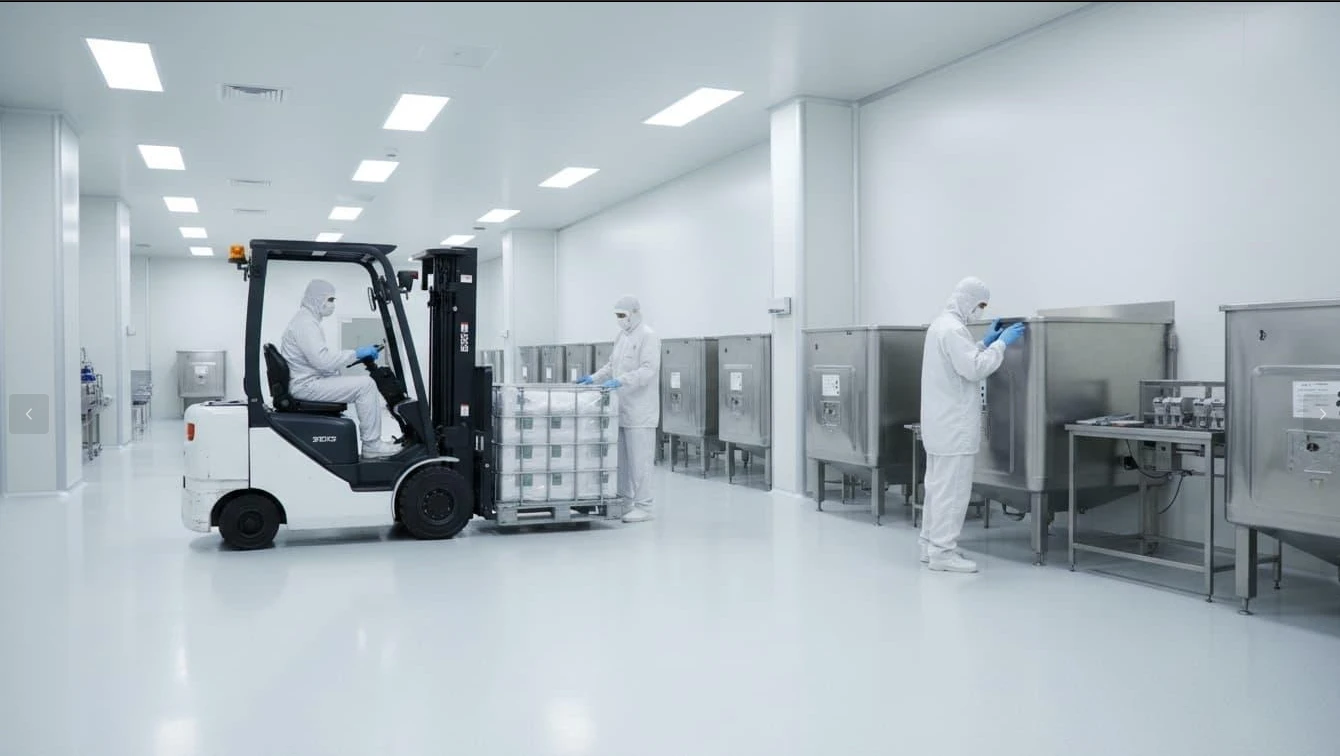
Final Results:Zero exhaust emissions fully met pharmaceutical warehouse standards;Lower maintenance cost compared with LPG forklifts;Cleaner operation protected high-value medical inventory;Quiet working mode improved operator comfort;Stable indoor performance supported long-term daily use
This example proves that electric forklift dominates in clean, indoor-only, compliance-focused warehouses.
How to Choose the Right Forklift for Your Warehouse
Based on hundreds of warehouse projects, I use four core factors to recommend the best warehouse forklift for each customer.
1. Working Environment
Indoor warehouse: Choose electric forklift for zero emissions and quiet performance; ideal for pharma, food and clean manufacturing
Outdoor yard: Choose LPG forklift for weather resistance and strong power
Cold storage: LPG forklift works for loading areas and mixed logistics; electric forklift with cold-proof battery suits dedicated freezer rooms
Mixed indoor-outdoor: LPG forklift provides better flexibility and runtime stability
2. Operating Hours
Single shift (8 hours): Both LPG and electric forklifts work; electric offers lower running cost
Two shifts (16 hours): LPG forklift is better for fast refueling and non-stop operation
24hour operation: LPG forklift is the most reliable choice; electric needs expensive battery swap system
3. Load Requirements
1 ton: Light indoor handling; electric forklift preferred
1.5 ton: Standard warehouse duty; electric for indoor, LPG for mixed use
2.5 ton: Heavy-load and outdoor tasks; LPG forklift recommended
4. Total Cost of Ownership (TCO)
Initial purchase cost: LPG forklift usually has lower upfront investment
Energy cost: Electric forklift has lower per-hour energy expense
Maintenance cost: Electric forklift costs 50–70% less to maintain
Battery / fuel cost: Electric saves long-term energy cost; LPG avoids battery replacement expense
Infrastructure cost: Electric needs charging room; LPG needs cylinder storage
For single-shift indoor use, electric forklift delivers lower TCO. For multi-shift or mixed use, LPG forklift provides better overall value.
Recommended DawnShine Forklift Solutions
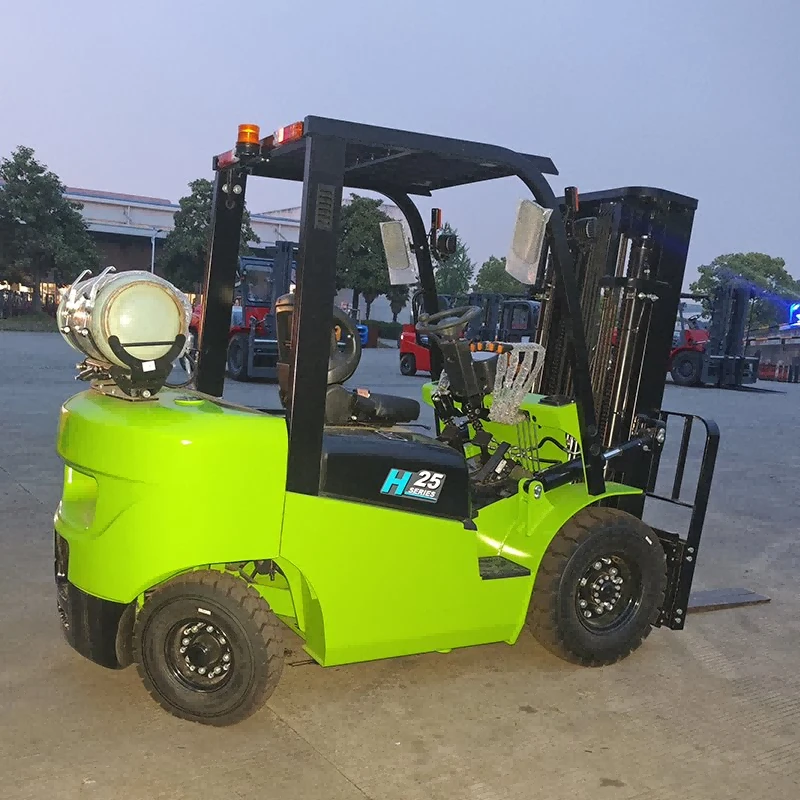
Key Applications: Multi-shift operation Outdoor loading and unloading Heavy-duty material handling Food distribution and cold-chain logistics
Key Benefits: Fast cylinder refueling Stable power output Low emissions compared with diesel Flexible indoor-outdoor use Long service life

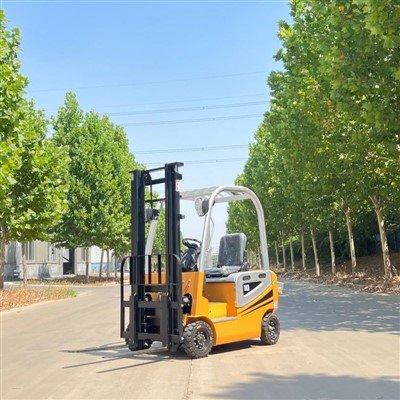
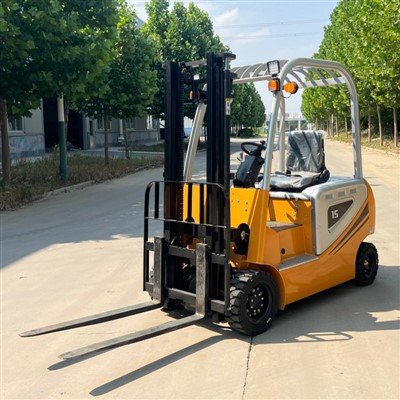
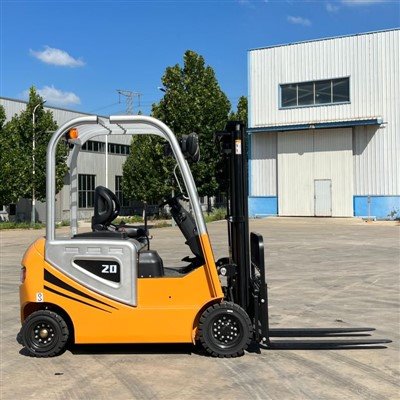
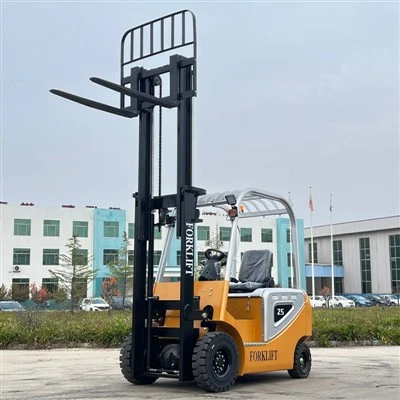
Key Applications: Indoor warehouse operation Food and pharmaceutical facilities Low-noise working environments Clean manufacturing and storage
Key Benefits: Zero exhaust emissions Ultra-quiet operation Low maintenance cost Lithium battery option available Easy to clean and comply with hygiene standards
As a professional LPG forklift manufacturer and electric forklift supplier,DawnShine Forklift provides full-series warehouse forklift solutions customized to your industry and operation needs.