During my 15 years working on hazardous-area material handling projects across chemical plants, pharmaceutical facilities, oil & gas sites, and hazardous warehouses, I have learned that selecting an explosion-proof forklift requires much more than choosing a standard forklift with additional protection. Hazardous environments with flammable gases, vapors, or combustible dusts demand strict compliance, specialized engineering, and ignition-free design. A single wrong choice can lead to safety risks, regulatory violations, and costly production shutdowns.
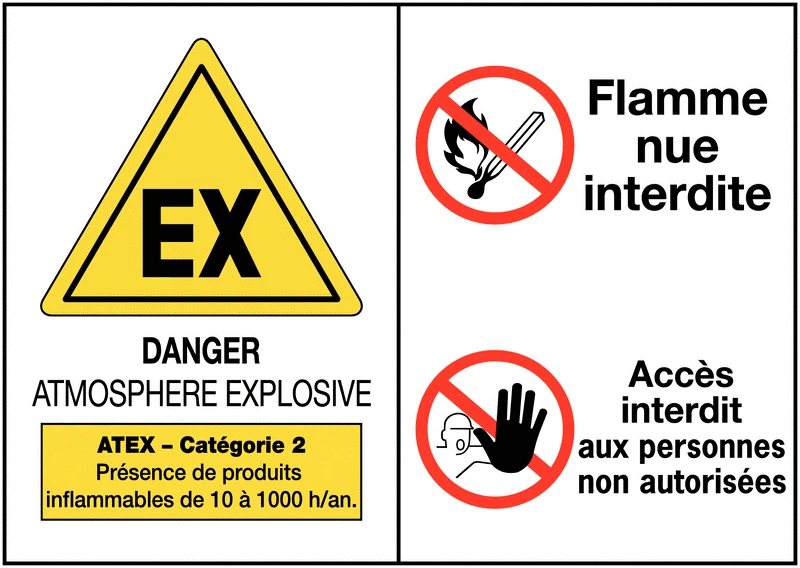
Over my career, my engineering team and I have supported more than 100 explosion-proof material handling projects worldwide. We have provided customized explosion proof forklift solutions for fine chemical manufacturing, pharmaceutical cleanrooms, paint & coating factories, battery material facilities, and flammable substance warehouses. Every project starts with a full site survey: hazardous area classification, material properties, operating hours, temperature conditions, and safety compliance requirements. I have seen many plants take unnecessary risks by using standard forklifts in hazardous zones, resulting in electrical sparks, static buildup, and overheating parts that create severe explosion hazards. That is why professional explosion-proof design and certified equipment are non-negotiable for chemical and hazardous operations.
One of our recent and most challenging projects was completed in September 2025 for a medium-to-large chemical manufacturing plant in Germany. The plant covers a total area of 30,000㎡ and specializes in the production of chemical solvents, volatile resins, and flammable liquid raw materials. The key production and storage areas are officially classified as Hazardous Area Zone 1 and Zone 2, with flammable vapors potentially present during normal operation. The ambient working temperature ranges from 35℃ to 45℃, and the facility runs 16 to 20 hours of continuous operation each day to meet production demand.
Before our involvement, the customer faced serious pain points. Their existing standard forklifts could not meet any explosion protection requirements, creating direct ignition risks in Zone 1 and Zone 2 areas. The plant was under high safety compliance pressure from local regulatory authorities. Frequent equipment shutdowns caused by unsuitable electrical systems disrupted production schedules. Maintenance was difficult and risky in hazardous zones, and the team urgently needed reliable, certified equipment to handle raw materials and finished goods near flammable substances without safety threats.
Our engineering team began with a full hazardous-area risk assessment. First, we confirmed the zone classification: Zone 1 where flammable gas/vapor mixtures may occur occasionally during normal operation, and Zone 2 where such mixtures are unlikely but may appear briefly in abnormal conditions. Each zone required a matching explosion protection level. We then evaluated explosion-proof demands: fully sealed and certified electrical components, flameproof protected motors, anti-static tires and body design, and heat-resistant, flame-resistant materials to prevent any ignition source. We also analyzed working conditions including required load capacity, long daily operating hours, rough concrete ground, and high-temperature environment that could accelerate component aging.
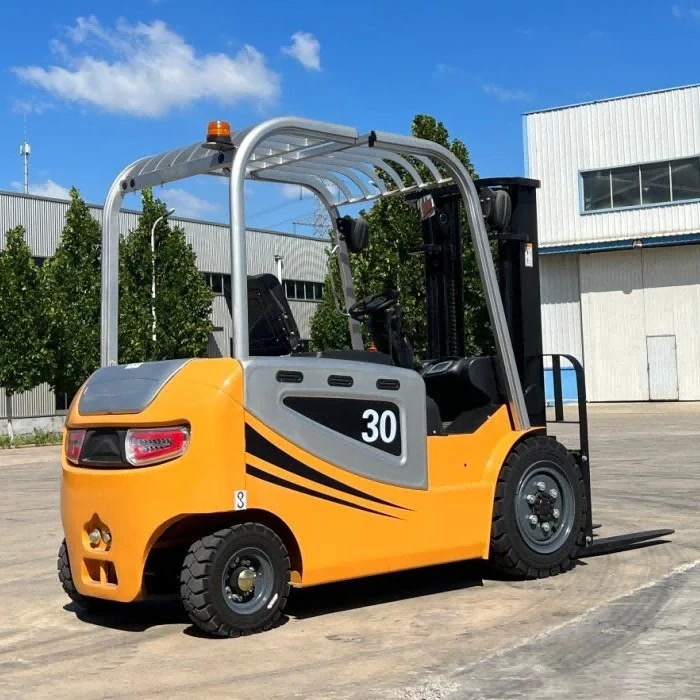
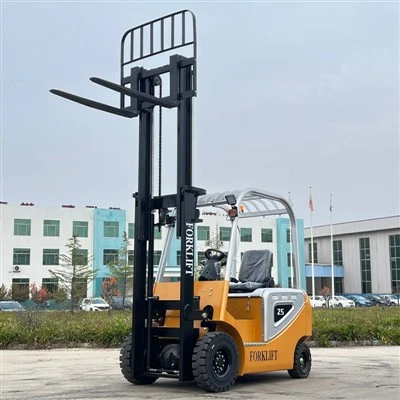
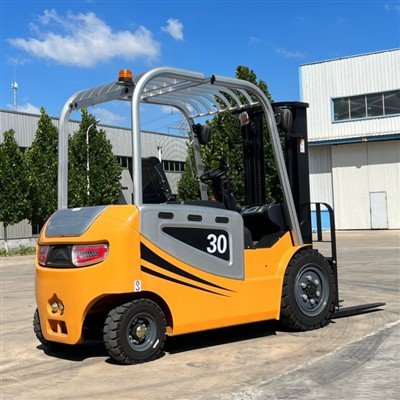
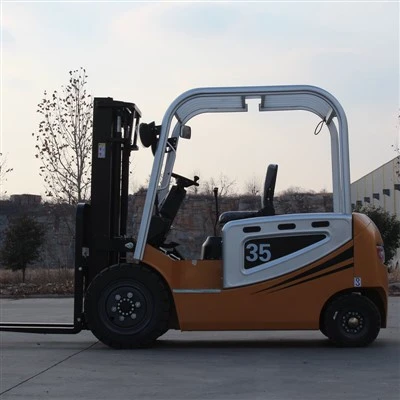
Based on this analysis, we recommended a full fleet of ATEX & IECEx certified explosion-proof electric forklifts. The recommended model specifications included 2-ton and 3-ton load capacity to cover raw material and finished product handling, explosion-proof lithium battery systems with intelligent temperature control, 3000–5000mm mast height for standard racking and ground movement, heavy-duty anti-static pneumatic tires, and full sealed explosion-proof electrical systems suitable for 8–16 hours of daily operation. Every unit was built to meet Zone 1 and Zone 2 requirements with complete international certification.
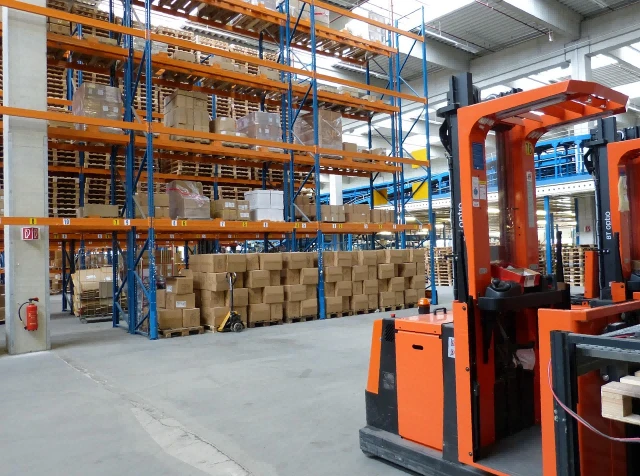
After implementation, the results were transformative. The plant achieved greatly improved workplace safety with zero ignition risks in hazardous areas. Equipment downtime caused by electrical faults was reduced by more than 70%. The fleet fully complied with local hazardous-area regulations, eliminating compliance risks. Material handling operations became stable and reliable even in high-temperature, high-risk environments, supporting smooth 20-hour daily production.
The second practical case comes from a pharmaceutical manufacturing facility in Singapore, completed in November 2025. This facility includes a cleanroom production area and a hazardous raw material warehouse with controlled temperature and strict safety and hygiene requirements. The warehouse covers 18,000㎡, handling nearly 25 tons of active pharmaceutical ingredients and flammable additives daily, with two 8-hour shifts per day. The customer's core needs were zero ignition risk in hazardous zones, ultra-low noise operation, clean and emission-free working environment, and stable indoor transportation for sensitive materials. They also required full compliance with international pharmaceutical safety standards.
Our engineering team ruled out diesel forklifts immediately for several reasons: diesel engines produce exhaust emissions that contaminate cleanrooms and pharmaceutical materials, they have potential high-temperature exhaust and ignition sources, and they cannot meet strict clean and low-noise requirements. Instead, we recommended a dedicated cleanroom-grade explosion-proof electric forklift with 1.5-ton and 2-ton capacity. This solution uses fully sealed, non-polluting electric power, anti-static and dust-free design, low-noise drive system, and ATEX/IECEx certification for Zone 2 hazardous areas. The compact body is ideal for narrow cleanroom aisles, and the maintenance-free battery supports stable long-shift operation.
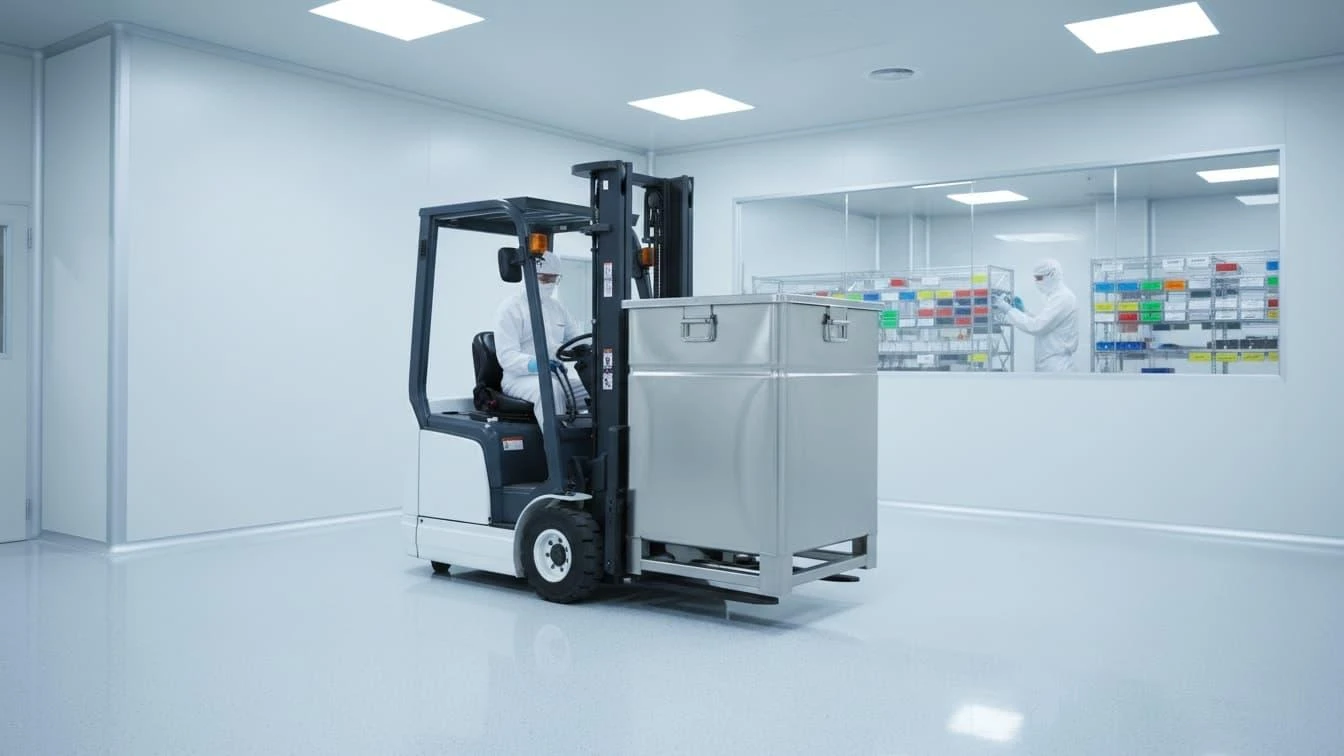
The final outcome met all customer expectations. Zero ignition risks ensured full personnel and product safety. Low noise and zero emissions preserved cleanroom standards. Stable and reliable transportation improved material handling efficiency by 25%, and the certified design fully satisfied pharmaceutical industry safety audits.
Based on hundreds of hazardous-area projects, I have summarized five key factors you must evaluate when choosing an explosion proof forklift for chemical plants and similar high-risk environments.
First, understand hazardous area classification. Zone 1 is defined as an area where flammable gas or vapor may exist during normal operation, requiring high-level explosion-proof equipment certified for Zone 1 use. Zone 2 is an area where gas or vapor is unlikely during normal operation but may appear briefly in fault conditions, requiring certified Zone 2 protection. Using incorrectly rated equipment creates catastrophic safety and compliance risks.
Second, verify mandatory explosion protection certification. The two most widely recognized and accepted international certifications are ATEX for the European market and IECEx for global applications. These certifications ensure the forklift's design, components, and performance meet strict international standards for explosive atmospheres. Never purchase or use an explosion-proof forklift without valid, third-party certification for your target zone.
Third, select the right power system. Explosion-proof electric forklifts are clean, emission-free, low-temperature, and low-spark, making them ideal for indoor chemical areas, pharmaceutical cleanrooms, Zone 1/Zone 2 gas environments, and closed warehouses. Explosion-proof diesel forklifts provide strong power and long working hours but are mainly suitable for outdoor hazardous areas, dust environments, and heavy-load outdoor applications with sufficient ventilation. For most chemical plant indoor and mixed zones, electric explosion-proof models are the safer and more practical choice.
Fourth, match load capacity to real operation. 1.5-ton explosion-proof electric forklifts are suitable for pharmaceutical warehouses, small chemical workshops, and light raw material handling. 2-ton models are the most versatile choice for general chemical warehouses, production lines, and medium-load hazardous material transport. 3-ton and larger models are designed for heavy raw material barrels, large container handling, and heavy-duty industrial chemical facilities. Always choose capacity with a safety margin for real working conditions.
Fifth, prioritize essential safety design features. These include anti-static tires and body coatings to eliminate static electricity, fully sealed and protected electrical systems to prevent sparks, emergency power shut-off for rapid safety response, certified explosion-proof lighting and controls, and operator protection systems tailored to hazardous environments.
As a professional manufacturer with rich experience in hazardous-area material handling, DawnShine Forklift provides industry-leading DawnShine Explosion-Proof Electric Forklift series designed for chemical plants, pharmaceutical factories, oil & gas facilities, and hazardous warehouses.
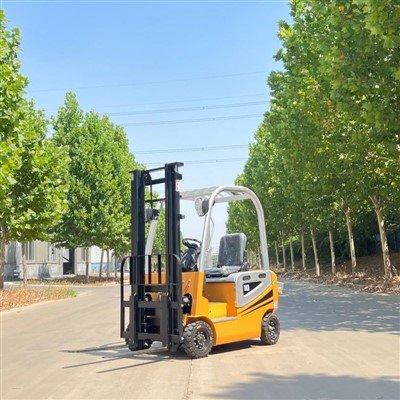
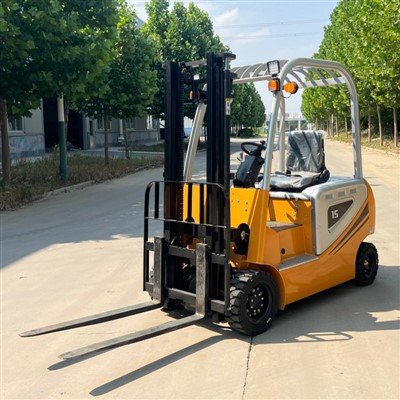
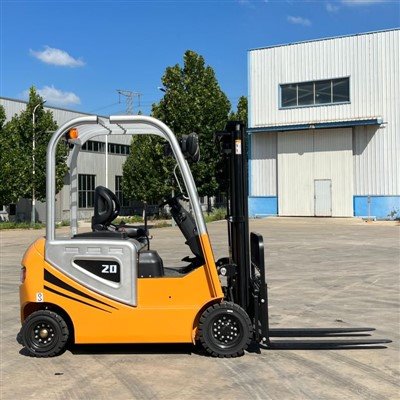
Our explosion-proof forklift series offers flexible capacity options including 1.5 ton, 2 ton, and 3 ton to meet different handling demands. They use certified explosion-proof lithium or lead-acid batteries with reliable BMS protection. Every unit achieves ATEX and IECEx certification for Zone 1 and Zone 2 gas hazardous areas. Mast height ranges from 3000 mm to 5000 mm and can be customized for specific racking or layout needs. Additional features include full anti-static design, sealed waterproof and dustproof structure, low-temperature rise components, and easy maintenance for hazardous environments.