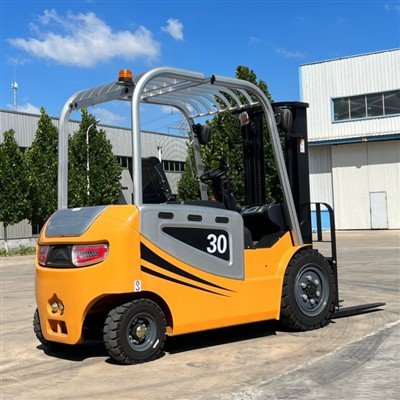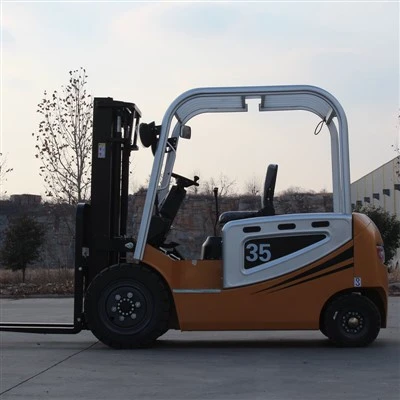
With over 15 years working as a Heavy-Duty Forklift Application Engineer supporting port terminals, container yards, logistics and shipping companies across global markets, I've come to realise that selecting the right heavy-duty container forklift is about far more than just checking a lifting-capacity number on a datasheet. Port and terminal environments are unforgiving: round-the-clock shifts, heavy container loads, uneven yard surfaces, salt-laden coastal air or extreme seasonal weather, and constant commercial pressure to keep container turnover moving smoothly. Pick the wrong machine, and you quickly face repeated breakdowns, inflated fuel and repair bills, and avoidable safety risks.
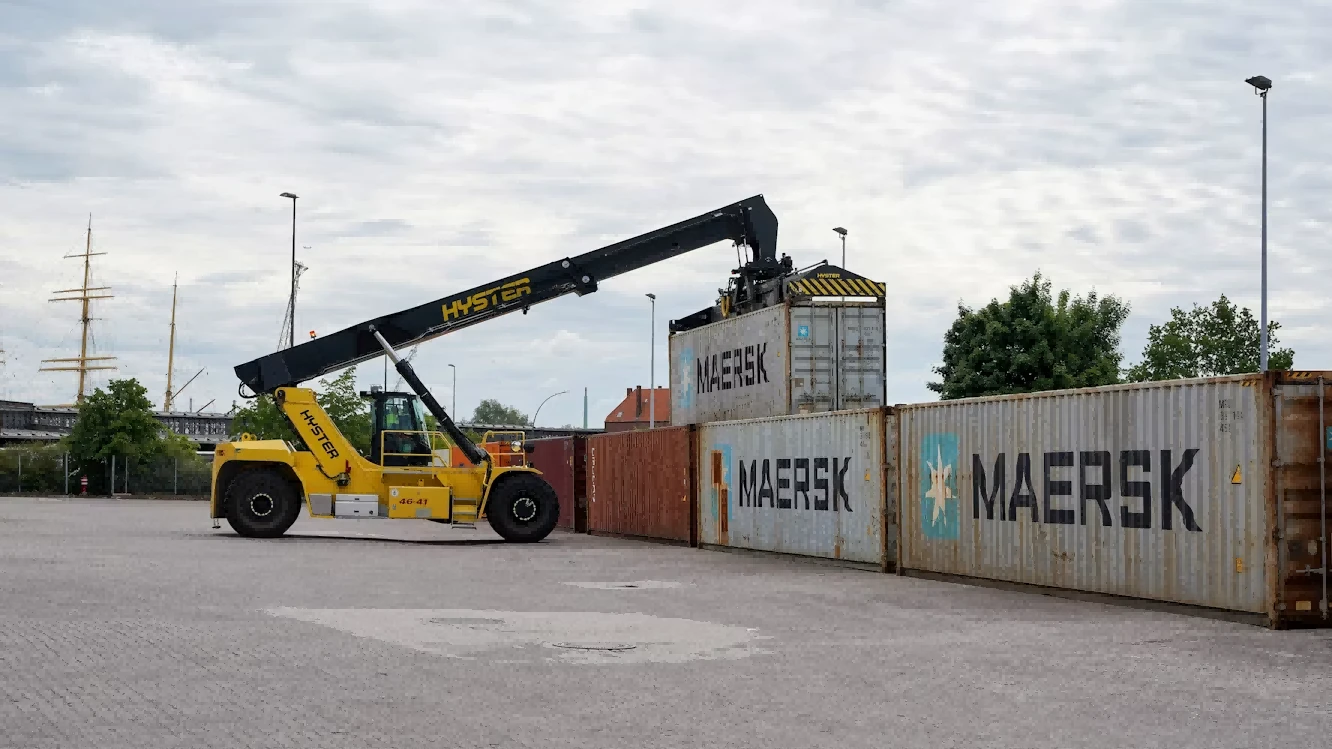
Over my career my engineering team has delivered heavy-duty forklift solutions for well over 120 port and terminal projects spanning Southeast Asia, the Middle East, Africa and Europe. This work has covered new-build port equipment planning, full fleet replacement programmes, container-yard layout optimisation and bespoke heavy-duty diesel forklift adaptations for high-temperature, corrosive or extremely dusty working conditions. Time and again I have visited sites where operators were trying to run container handling work on standard-spec warehouse forklifts. The warning signs are always similar: bent masts, unpredictable downtime, excessive tyre wear and visible nervousness from drivers when lifting full containers on uneven ground. Good port material handling equipment is built for continuous heavy-duty outdoor service, and cannot be an after-thought adapted from indoor warehouse hardware.
One of our more demanding recent assignments took place in April 2025 at a container terminal within the Port of Durban, South Africa. This coastal facility occupied a 50,000-square-metre yard, moving between 300 and 500 containers each day across non-stop 24-hour operations running three full shifts. Containers in the yard ranged from 20-ton up to fully-loaded 40-ton 20ft and 40ft units. When we arrived on-site, the customer was struggling with several interconnected operational headaches. Their existing fleet simply lacked sufficient reserve lifting capacity for many fully-loaded containers, unplanned downtime was hitting more than 12 hours every week and this delay rippled straight onto vessel turnaround schedules. Running those older machines also meant steep monthly fuel costs and frequent part replacements. Add in the local coastal conditions of salt-heavy humidity mixed with patches of gravel and worn concrete across the yard, and chassis and mast components were wearing out far faster than expected. Operators additionally raised valid safety concerns around load stability over uneven ground.

We spent time observing shift cycles, measuring typical load weights and inspecting how existing machines performed under real-world stress, and quickly concluded standard-spec forklifts would never resolve these pain points. Even machines that looked adequate on paper fell short under actual terminal duty cycles. Insufficient rated capacity created safety risk; lighter-built masts risked permanent deformation under repeated heavy lifting. The original chassis had too short a wheelbase, reducing stability whenever ground levels varied. Their original tyre choice was mismatched to mixed gravel-and-concrete yard surfaces. The base engine struggled with sustained high-torque demand, and cooling systems could not cope with many consecutive hours running in hot coastal temperatures. After completing this engineering review, our recommendation was a custom-configured fleet of 15-ton heavy-duty diesel container forklifts purpose-built for port duty. Each unit came with a 162-HP turbo diesel heavy-duty engine, a 4500-millimetre three-stage full-free-lift mast, heavy-duty automatic power-shift transmission and port-rated heavy-duty pneumatic tyres. We specified a fully reinforced welded chassis with anti-corrosion protective coating and a high-capacity cooling package engineered for 20-plus hours of continuous daily running. Once the new machines were commissioned and crews finished familiarisation training, operational improvements were clear to measure. Container-handling efficiency rose by 32 %, weekly unplanned downtime dropped by 85 % down to less than 1.5 hours, and the reinforced chassis-and-mast set-up substantially improved on-site operational safety. Maintenance frequency fell by half, and fuel consumption per container moved reduced by 18 %, helping the terminal reliably hit vessel-call deadlines.
Another of our projects is an inland container yard in Central Europe.This intermodal logistics terminal covered 32,000 square-metres of yard space, handling upwards of 6,000 TEU each month across 16-hour operating days running six days every week. The site needed to regularly lift containers weighing as much as 20 tons while managing truck-to-rail container interchange workflows. What the customer really wanted was dependable performance through cold winters and wet rainy seasons, long machine service life, a manageable total-cost-of-ownership profile, straightforward maintenance access and good spare-parts availability. They also needed flexibility to handle both empty and heavily-laden containers through seasonal volume peaks. When evaluating options, we weighed up going all-in on large reach stackers versus a mixed-equipment arrangement. For this specific inland-depot context we settled on combining 20-ton heavy-duty diesel forklifts for maximum-weight loaded container work alongside compact side loaders for tight-lane container positioning. This mix made practical sense. A 20-ton heavy-duty forklift delivered safe high-tonnage lifting without the higher capital outlay of full-size reach stackers for every working position. The heavy-duty diesel power unit delivered consistent high torque through long shifts, the reinforced build stood up to variable weather conditions, maintenance work was simpler for local technicians and operator training overhead stayed low. Following deployment, truck turnaround times for container drop-off and pick-up improved by 25 %, equipment availability held above 95 %, and the balanced investment kept long-term operating costs predictable, while cargo-damage incidents related to container handling fell almost to zero.
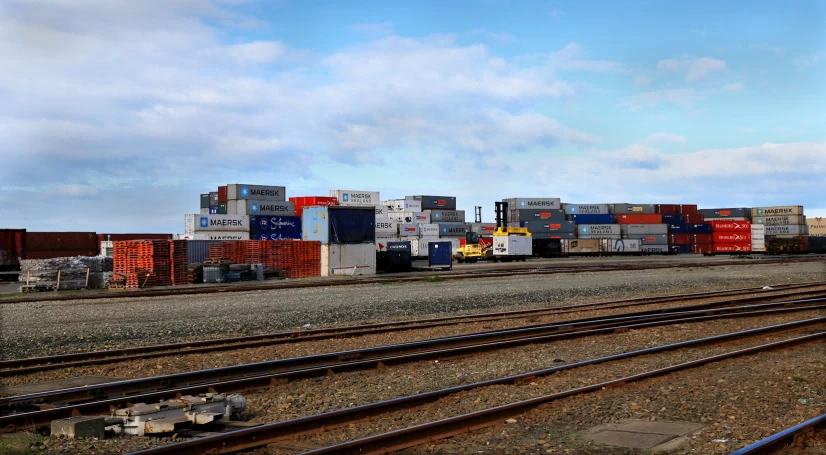
Drawing on these and dozens more terminal deployments, there are core practical considerations I always walk through with customers when specifying a container forklift for port-type operations, because buying purely on headline purchase price regularly creates expensive problems later on.
First is lifting capacity, and here you must match specification to your real-world maximum loads, not just average container weights. A 10-ton container forklift works well for empty containers and lightly-loaded boxes inside smaller-volume terminals. The 15-ton port forklift is the workhorse for most medium-to-large-size terminals processing regular 20ft and 40ft loaded containers at volumes similar to our Durban project. When you are routinely moving heavily-weighted containers in high-activity 24-hour seaport environments you should look to 20-ton and above heavy-duty forklift models. As a rule of thumb I always advise building in a 10-15 % safety margin above your heaviest expected working load.
Stability and safety follow closely behind raw lifting power. Port yards rarely offer perfectly flat floors. Combine uneven ground, heavy suspended loads and multi-shift continuous operation and structural robustness becomes non-negotiable. Look for a heavily-reinforced mast built from high-strength steel, a chassis designed around low centre of gravity and extended wheelbase, load-sensing hydraulics, anti-tip protection features and good forward visibility for operators positioning containers.
Engine and power system choices are another major decision point, and it explains why diesel heavy-duty forklifts remain dominant across terminals. These engines deliver the high torque needed when picking up heavy containers, they sustain many consecutive working hours reliably, refuelling is fast with no lengthy charging downtime, and they hold up well through hot, cold or humid outdoor conditions. Service and parts support for proven heavy-duty diesel platforms is also widely available around most global port regions.
Tyre selection is frequently under-appreciated yet has huge real-world impact. Port yards mix smooth concrete stretches, compacted gravel and worn container block surfaces. Heavy-duty pneumatic tyres offer strong shock absorption and perform best on uneven or gravel-mixed yards. Heavy-duty solid tyres suit sites with mostly smooth concrete and deliver long wear life with minimal upkeep. Standard light-duty tyres simply will not hold up; they crack, wear rapidly and undermine overall machine stability.
Finally you need to evaluate full total-cost-of-ownership rather than only comparing sticker prices. Work through projected hourly fuel burn, scheduled maintenance intervals and associated costs, local spare-parts pricing and availability, and also account for the financial hit of operational downtime when machines break. A competent heavy-duty forklift manufacturer designs equipment to keep these lifetime running costs under control.

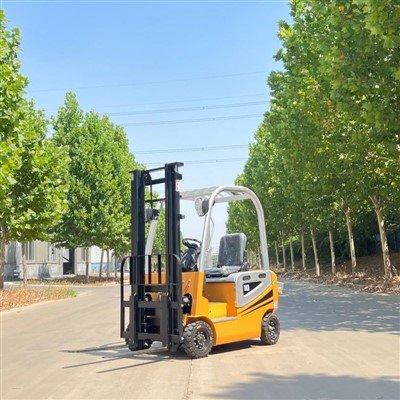
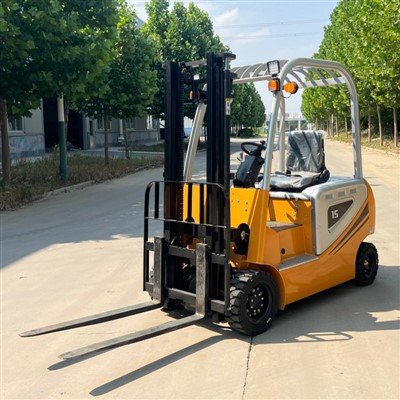
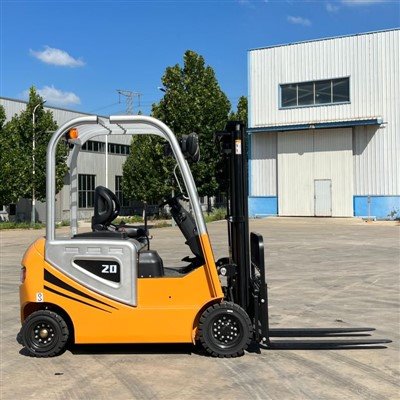
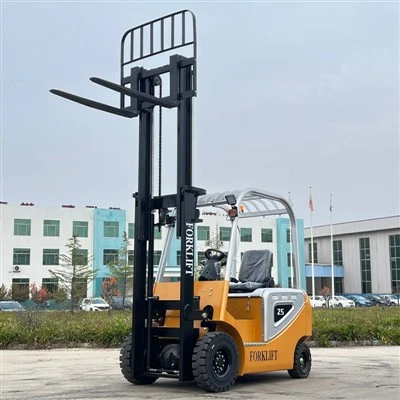
As an experienced manufacturer of heavy-duty forklifts, DawnShine Forklift produces diesel-powered models specifically for port operations, aiming to deliver optimal solutions to global clients in ports, terminals, and logistics. Our DawnShine HeavyDuty diesel container forklift series is suitable for a wide range of applications, including container terminals, seaports, inland logistics hubs, and intermodal industrial terminals. We offer models in the 10-ton, 15-ton, and 20-ton classes-featuring configurations specifically designed for port environments-and provide custom specifications tailored to client needs. Key technical specifications include heavy-duty turbo-diesel engines (120–200 HP), adjustable lifting heights (3,000 mm to 6,000 mm), heavy-duty automatic transmissions, and options for port-grade heavy-duty pneumatic or solid tires. All units feature anti-corrosion and dust-proof treatments and utilize IP-rated electrical components, ensuring reliability during continuous, high-intensity 24-hour operations.
With over 15 years of experience in the R&D and manufacturing of port material handling equipment, DawnShine Forklift has established a global dealer and after-sales service network. We provide customized solutions adapted for challenging environments-such as those with high temperatures, salt-spray corrosion, or heavy dust-while offering a highly competitive total cost of ownership over the equipment's lifecycle. We also hold all relevant international certifications for port equipment. For customized guidance, our application engineering team can tailor a heavy-duty container forklift solution to your specific requirements and provide a quotation. Simply share details such as your terminal's site area, daily container throughput, typical load weights, and local operating conditions to begin the consultation process.