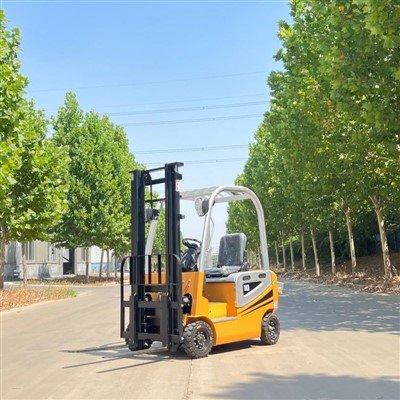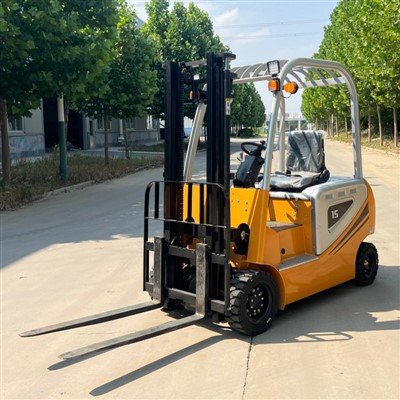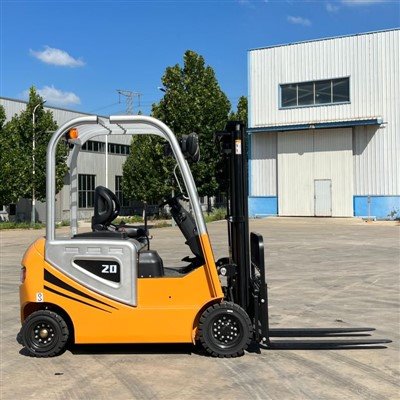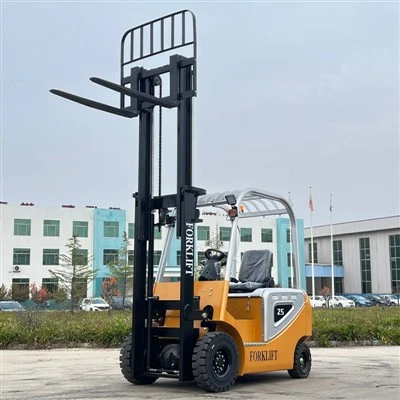
A forklift can pass every demonstration test on a supplier's yard and still become a poor purchase six months later.
It starts easily. The mast lifts smoothly. There are no visible hydraulic leaks. The paint is fresh, the tyres look acceptable, and the specification sheet matches the quotation.Most buyers have encountered this scenario. A forklift that performs flawlessly during a 20-minute demo often behaves differently after hundreds of operating hours on rough terrain, in cold storage environments, or during non-stop multi-shift operations.
This is where most forklift purchasing decisions fail.Most buyers inspect the equipment first and consider application needs second. Experienced fleet managers take the opposite approach. They start with job requirements, site conditions and downtime costs, then determine whether the forklift is qualified for the role.
This mindset gap is critical, because forklift quality is not a fixed attribute. No forklift is simply "good" or "bad" on its own - it is either suitable or unsuitable, proven or untested for your specific workflow.
A forklift that works perfectly for single-shift indoor warehousing may wear out quickly in outdoor timber yards. A clean used electric forklift can hide latent battery issues that only surface under heavy daily use. A low-cost unit can turn into a costly investment once hidden defects emerge after delivery.
So before checking tyres, forks or batteries, there is a more important question:
What exactly is this forklift expected to do?
The Application Comes Before the Inspection
Most purchasing mistakes start with spec comparisons, not operational analysis. Many buyers simply compare lifting capacities, mast heights and pricing, without first clarifying how the forklift will actually perform on-site.
Yet small differences in application often change the entire inspection process.
How many hours will the forklift run each day?
Will it carry standard pallets or long, awkward loads?
Will it work on smooth concrete, damaged pavement or gravel?
Will it move repeatedly between ambient temperatures and freezer rooms?
Will a breakdown cause inconvenience, or stop production entirely?
These answers define not just which forklift to buy, but how much operational risk is acceptable.A truck operating four hours a day in a light warehouse can tolerate more unknowns than one running across three shifts in a busy distribution centre.
This is why a simple checklist often fails.The same cosmetic wear mark can mean very little in one application and become a warning sign in another.Real purchasing decisions are rarely about finding perfect equipment. They are about deciding whether the available evidence is strong enough for the intended work.
That way of thinking is not theoretical.Återbruksbyrån, a building-material reuse company in Gothenburg, Sweden, selected a used four-way forklift through Relevator Group to handle long and bulky materials in narrow aisles. The project worked because the buyer started with the operation first: aisle dimensions, load types and handling requirements were defined before equipment selection began. The used forklift matched the application, so a lower-cost machine still delivered reliable performance.
Source: Relevator Group customer reference – Återbruksbyrån.
The core lesson is clear: never judge a forklift by its appearance alone. Always judge it by how well its condition fits your actual day-to-day operations.
A Demonstration Is a Starting Point, Not Proof
Every forklift requires a thorough basic inspection. Be sure to check steering, braking, mast movement, hydraulics, tires, forks, safety warning devices and visible fluid leaks. It is also critical to verify service logs, maintenance history and the equipment data plate.
Jungheinrich's used forklift purchasing guidelines advise reviewing documentation, operating history and equipment configuration before functional testing. The brand also emphasizes inspecting the mast, forks, tires, brakes and chassis, rather than judging a unit solely by its exterior condition.
Source: Jungheinrich, Checklist for Your Used Truck Purchase.
Even so, on-site demonstrations have clear limitations. A forklift that runs flawlessly for ten minutes cannot prove its performance after eight hours of continuous operation.Hydraulic seals that hold steady during short test runs may fail under prolonged heavy-duty work. A smooth, quiet transmission in a light demo can produce unusual noises and wear when operating at full load on uneven ground.
The same logic applies to hour meter readings. Low operating hours are a positive indicator, but they do not reflect how the machine was treated in service. A low-hour forklift may have suffered overloading, neglected maintenance or improper battery use. Meanwhile, a higher-hour unit with complete, consistent service records is often the more reliable choice.This distinction is especially crucial when evaluating pre-owned electric forklifts.
Battery Condition Matters More Than Many Buyers Realise
Most buyers inspect the body of a used electric forklift in detail, yet overlook its battery, which deserves equal scrutiny.
For lithium-ion forklifts, the battery management system (BMS) delivers critical data: charging logs, cycle counts, fault codes, deep discharge records and temperature history.EPower's used electric forklift checklist recommends reviewing BMS data whenever possible, as operating hours alone cannot reflect true battery health.
Source: EPower Forklifts, Used Electric Forklift Checklist.
Missing battery records do not always signal faults, but they create operational uncertainty - a factor that always carries hidden costs.This uncertainty warrants further testing, adjusted pricing, pre-planned battery replacement, or enhanced warranty coverage. A discounted purchase price never removes risk; it merely shifts most of the battery and operational risk to the buyer.
Configuration Can Be More Important Than Condition
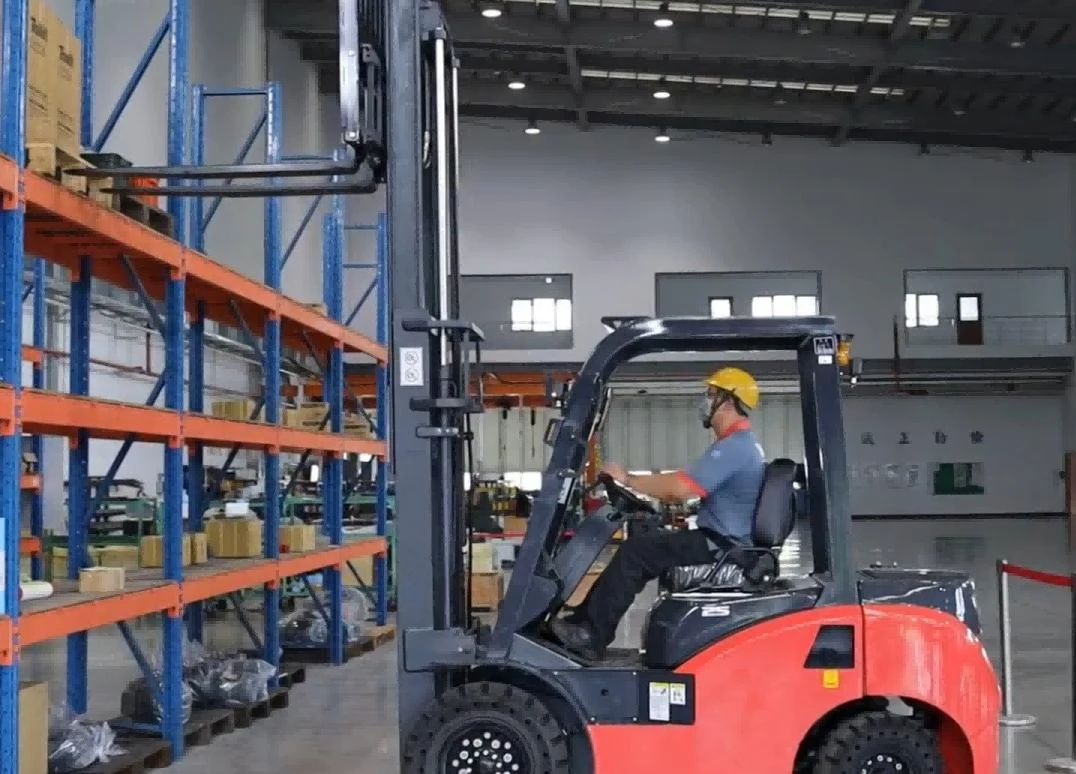
A forklift can be mechanically healthy and still be the wrong machine.
Capacity figures are a good example.Many buyers focus on the headline number-2.5 tonnes, 3 tonnes, 5 tonnes-but actual capacity depends on load centre, lift height, mast design and attachments.
Installing a side shifter, fork positioner or clamp alters usable load capacity. Lifting materials to greater heights further reduces residual capacity.Jungheinrich advises checking the data plate against the actual mast and attachment configuration because modifications are common in used equipment.
This basic principle is frequently overlooked. A forklift may handle loads easily during a short demo yet run consistently near its operational limits in daily multi-shift work.This gap compromises on-site safety, machine stability and long-term reliability. Always confirm the machine's physical setup matches its official specification on file.
Some Components Reveal More Than Paintwork Ever Will
Exterior appearance is often misleading. A machine's wear patterns paint a far more accurate picture of its working history.
Tyres expose uneven ground operation, alignment issues or heavy-duty usage. Forks show clear signs of overloading, impact damage and long-term wear.OSHA guidelines mandate that damaged, cracked or excessively worn forks be immediately removed from service.
Source: OSHA 29 CFR 1910.178.
Mast chains, rollers and hydraulic cylinders require equally careful inspection. Jerky motion, unbalanced lifting and abnormal noise point to hidden wear that cannot be seen on a stationary machine.
Visual checks alone are not enough for hydraulics. Holding a load over time can expose cylinder drift that fast demo lifts fail to detect.It also pays to check replacement parts. Hyster field-service materials have noted cases where lower-quality replacement components shortened service life or affected system performance.
Source: Hyster technical sourcing references.
A forklift is more than a set of parts. Its components reflect the full story of how the machine was used, maintained and repaired over time.
Working Conditions Change What Quality Means
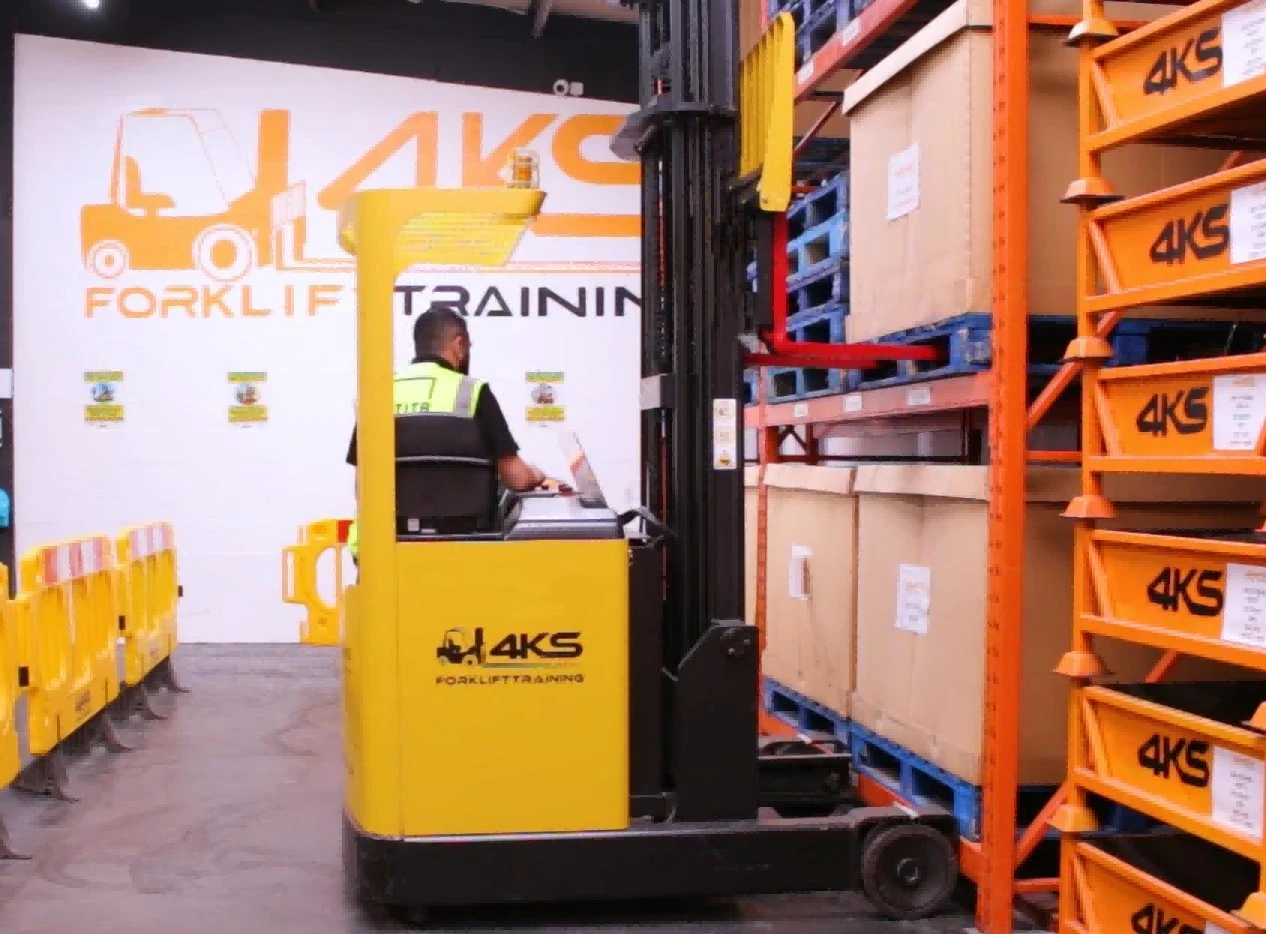
Two forklifts can have similar hours, similar prices and similar appearances, yet require very different judgments.
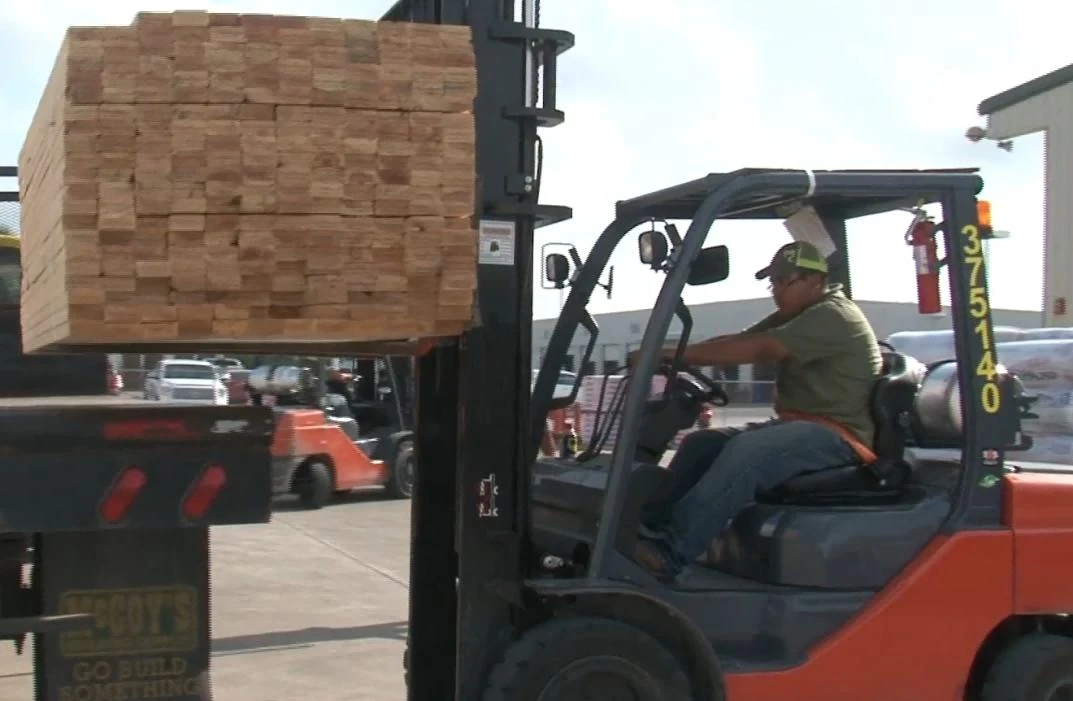
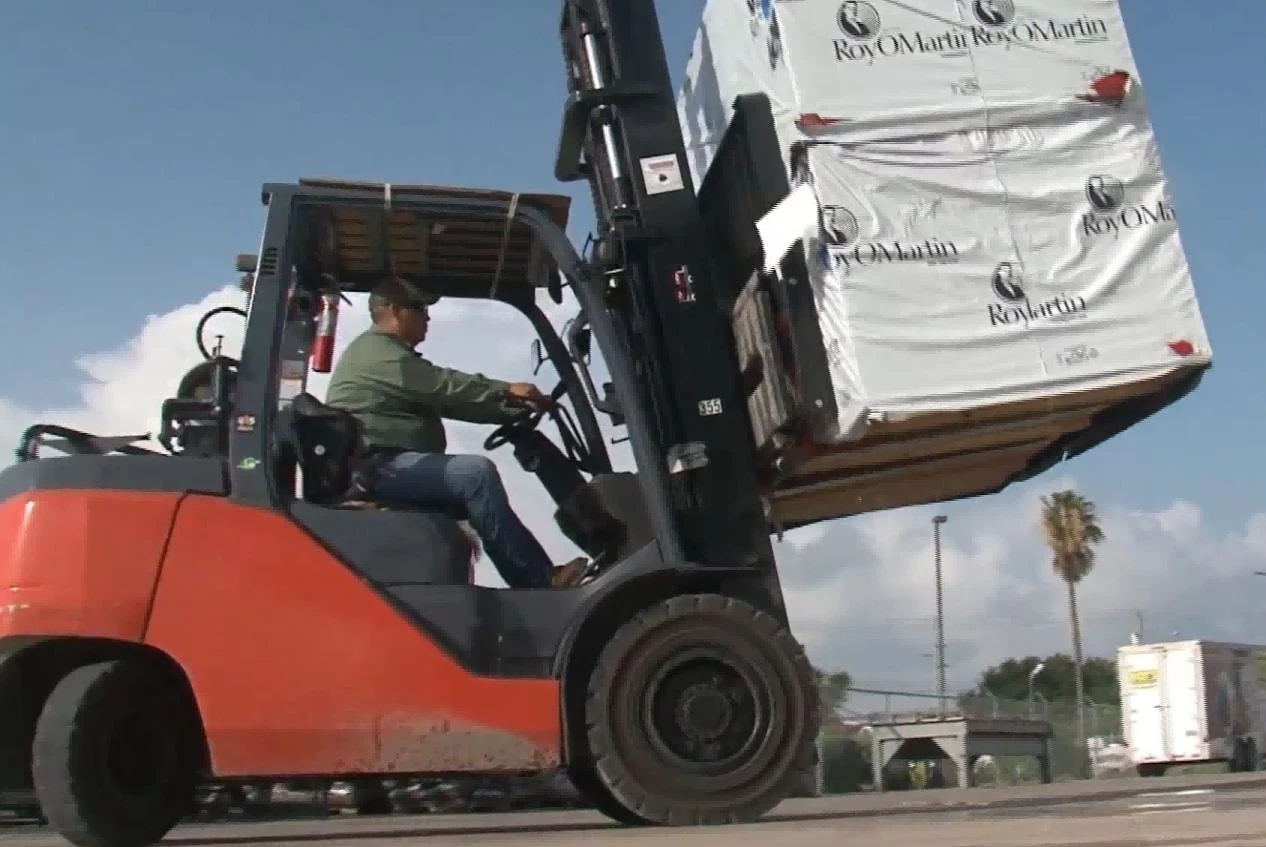
A unit used exclusively for indoor pallet handling endures far less strain than one tasked with outdoor timber, concrete and heavy material transport.Toyota Material Handling's case study with McCoy's Building Supply demonstrates this perfectly. The company runs a large fleet of pneumatic-tyre forklifts for lumber yard operations, railway unloading and outdoor material handling. These machines operate daily in dusty conditions, on uneven terrain, under constant vibration and heavy loads.
Source: Toyota – McCoy's Building Supply case study.
Such harsh working environments create unique wear patterns. Steering systems, brakes, tyres, chassis welds and suspension parts all sustain heightened stress. A forklift that seems reliable on flat concrete can struggle significantly on rough ground.
Cold storage presents another challenge. The issue extends beyond low temperatures alone.Frequent transitions between hot and cold zones create condensation issues, disrupt battery performance and alter charging habits. A competent freezer-rated forklift is not defined by specs on paper, but by its consistent reliability through repeated temperature cycling.
The Cost of Downtime Changes the Inspection Decision
Forklift quality assessment is ultimately a business decision, not just a technical check. A backup forklift can tolerate more uncertainty than a truck supporting continuous production.
When a critical forklift breaks down, the losses go well beyond repair fees. Loading operations halt, production stalls, labor sits idle, and customer deliveries face delays.This is why inspection rigor should always match operational risk. High-utilization equipment warrants extended load testing, full battery diagnostics, thorough service history verification, or professional third-party inspections.
The cost of thorough inspection is almost always negligible compared to the expense of unplanned downtime.
What Cannot Be Proven Still Matters
Smart forklift purchasing decisions rely not only on confirmed facts, but also on outstanding uncertainties.Missing maintenance records do not prove poor equipment condition. A lack of battery data does not guarantee battery failure. Cosmetic damage does not make a forklift a bad investment.
Still, every gap in documentation and inspection adds unmeasured risk. Experienced buyers do not overlook these uncertainties - they actively manage them.This can mean additional on-site testing, strengthened warranty terms, adjusted pricing, or selecting a different unit entirely.
This is why forklift quality cannot be judged by a rigid checklist alone. Ultimately, three questions guide every reliable purchasing choice:What has been fully verified? What still remains unknown? Can your operation tolerate these residual risks in daily use?
Honest answers to these questions shape the best buying decisions. A quality forklift is not just one that works on the day of purchase. It is one with verifiable background, built to hold up long-term under your real working conditions.