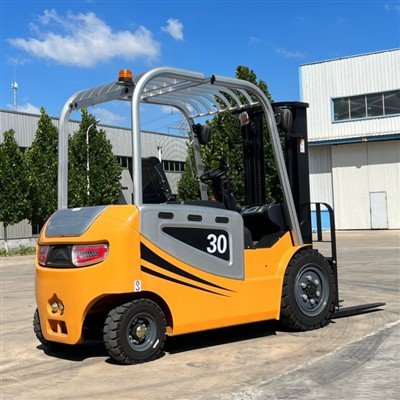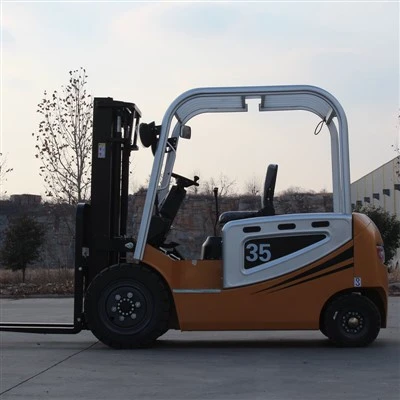
Battery related choices often seem straightforward when reviewing quotations: voltage, amp hour rating, price, and charging time.
Challenges emerge once the forklift enters daily operation.A forklift running one shift and parked overnight near an existing charging station has vastly different demands compared to units operating two or three shifts inside a distribution centre. Freezer environments further shift the equation, as do frequent battery swaps, narrow‑aisle layouts, or sites with regular water exposure and high humidity.
That is why the real comparison is not simply lithium-ion versus lead-acid. The practical question is identifying where your existing battery setup creates operational pain points, and whether switching energy systems truly resolves those issues.
When Lead-Acid Still Works Well
Lead-acid remains a sensible option for predictable, lower‑utilization operations.
If a forklift completes one shift, returns to charge, and has ample time to recharge before its next run, there is often little reason to swap out a functional system. Existing charging infrastructure, familiar maintenance routines, and lower upfront costs all work in its favour.
Problems arise once equipment runs harder.Toyota documented a two-shift site where forklifts operated 10-hour shifts using 935 Ah lead-acid batteries. Usable capacity came to 748 Ah, yet measured daily consumption averaged 1,380 Ah and hit a peak of 1,426 Ah. Resulting EBU values stood at 1.84 and 1.9. In real-world terms, the trucks drew far more daily energy than a single usable battery could supply. The customer had to choose between fitting a second lead-acid battery per truck or switching to an alternative energy solution.
This case deserves close attention.The battery itself was not faulty. Its usable capacity simply failed to match the site's actual workload.This difference is critical when comparing battery technologies. A lead-acid battery that performs reliably in a single-shift warehouse can turn into an operational bottleneck under two-or three-hift use, even when the battery has no inherent defects.
The Hidden Cost of Keeping Lead-Acid
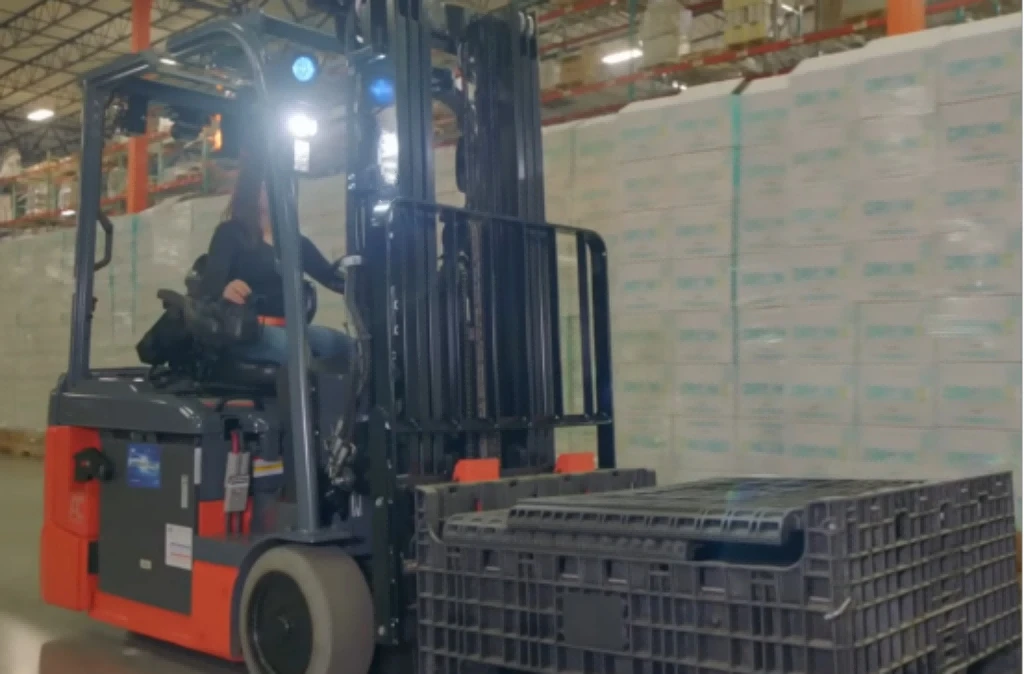
Energy capacity is only part of the equation.Flooded lead‑acid batteries require watering and controlled charging cycles. Multi‑shift sites often also need spare batteries, battery‑changing gear, and dedicated charging floor space. With multiple trucks in play, consistent maintenance across different shifts becomes harder to maintain.These tasks are not unmanageable,most seasoned forklift technicians know how to handle them.
The real question is whether the warehouse wants these chores baked into day-to-day operations.A documented Yale forklift retrofit project in Germany offers a practical example. The site dealt with frequent lead-acid battery upkeep, significant labor overhead, and unclear battery health status. The unit was retrofitted with a 51.2 V/560 Ah lithium-ion battery complete with BMS and cloud monitoring. Outcomes included an end to regular watering work, reduced service-related downtime, and clearer visibility over battery condition.
For small fleets, these trade-offs may not warrant a large-scale upgrade.For larger multi-shift fleets, they turn into ongoing labor and equipment-availability pain points.
Where Lithium Starts to Pay Back Operationally
Lithium-ion batteries deliver the clearest operational gains when lead-acid battery swaps begin disrupting workflow.Paired with compatible chargers, lithium supports opportunity charging, letting teams top up power during short idle windows. Operators no longer need to swap out drained batteries, and can recharge equipment during routine breaks and downtime instead.
A UgoWork case study covering a U.S. distribution fleet illustrates this large-scale benefit. The site originally ran over 135 round-the-clock forklifts. After fleet and energy optimization, only 75 trucks were required, cutting annual battery-change labor by roughly 6,500 hours. The operation also saw a 5% rise in hourly pallet moves and better overall energy efficiency. Note that these results are site-specific and do not represent universal lithium-ion performance.
The takeaway matters more than the raw statistics.When frequent battery changes waste significant time and labor, eliminating this task boosts equipment uptime and simplifies fleet energy management.This is where lithium-ion creates tangible value far beyond longer runtime alone.
But Lithium Does Not Remove Every Battery Problem
Many forklift battery comparisons paint an overly optimistic picture of lithium-ion benefits. This does not mean that lithium-ion batteries are suitable for all operating conditions.
Cold storage is a good example. Lead-acid batteries lose substantial capacity in freezer conditions, yet lithium-ion also comes with strict temperature-based charging and operating limits. Many cold-storage lithium systems require battery heating and dedicated thermal management. Crucially, a battery rated for freezer operation may not support on-site charging in low temperatures.
Crown's cold-storage guidelines confirm this: lithium-ion setups for freezer use require tailored temperature management, rather than generic standard battery configurations.The forklift itself also needs cold-storage adaptation. Hydraulic parts, seals, bearings, condensation shielding and charging equipment all require special consideration for low-temperature environments.The same logic applies to wet and humid industrial sites. Battery housings, connectors and charger installations must match on-site exposure conditions. Standard indoor warehouse forklifts are not built to withstand regular wet-floor operation or wash-down cleaning.
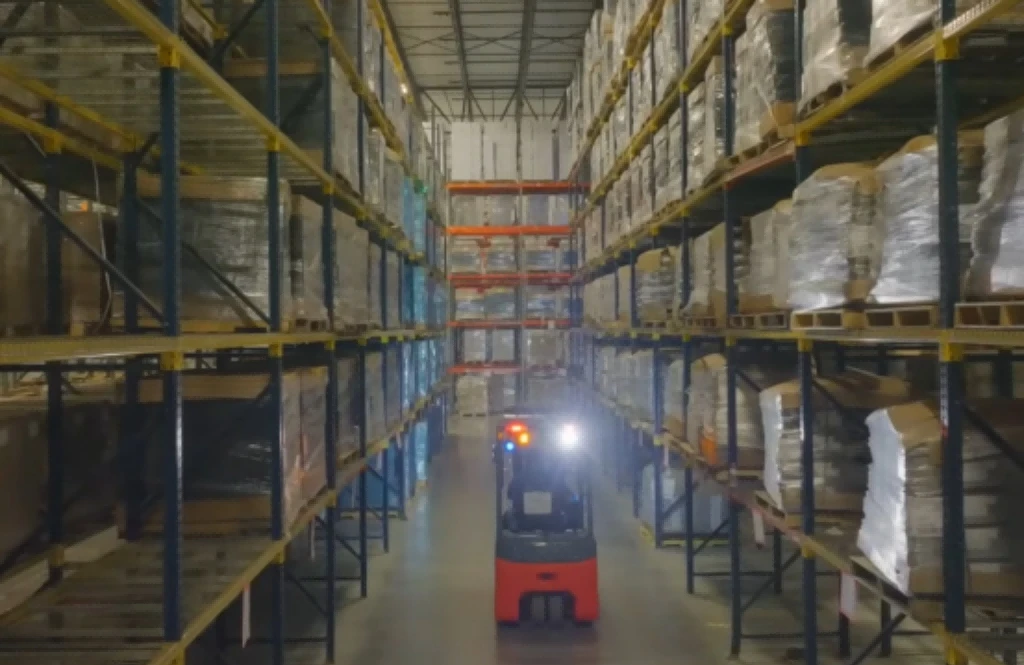
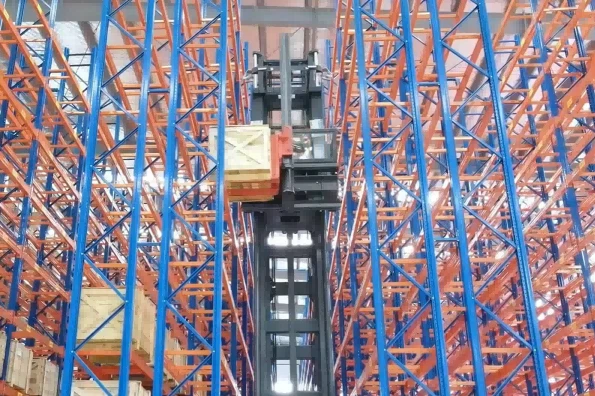
One often-overlooked factor is physical battery fitment.Upsizing battery capacity can fix runtime issues, but larger, heavier batteries must align with the forklift's dimensions, axle load limits, operator visibility and aisle constraints. In narrow-aisle warehouses, simply increasing battery amp-hour rating to resolve power shortages can compromise the truck's maneuverability.
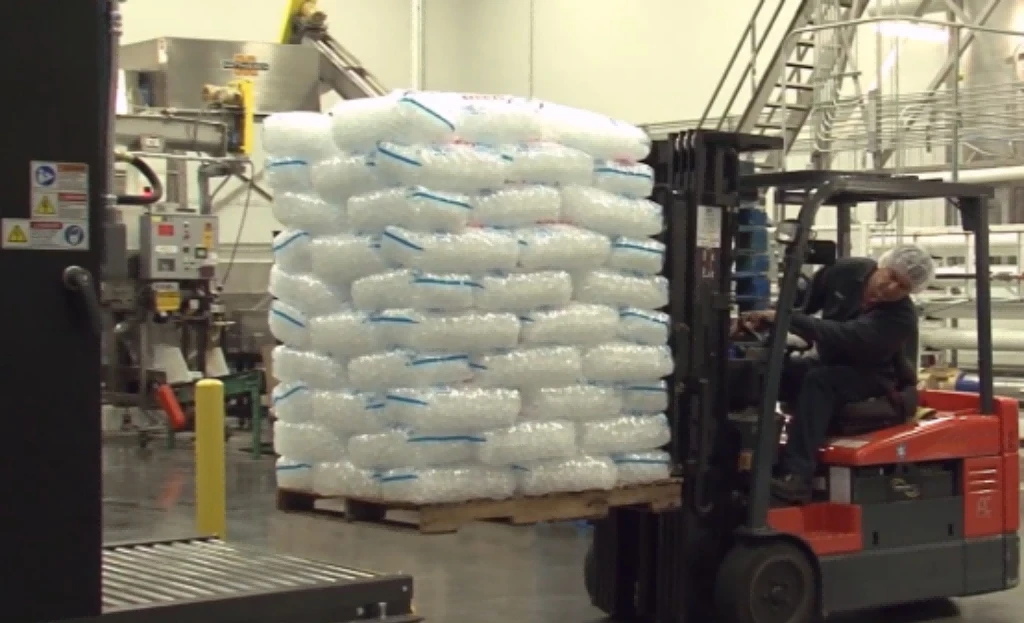
The Better Question Is Which Problem You Are Actually Solving
This is why a full blanket fleet conversion is never a one-size-fits-all recommendation.
Predictable single-shift operations with existing charging infrastructure often find lead-acid the more cost-effective option.For high-utilization fleets burdened by frequent battery swaps, charging downtime and repetitive maintenance labor, lithium-ion is well worth thorough evaluation.
Freezer storage, wet environments and irregular duty cycles rule out generic battery selections. Standard spec sheets are not enough - batteries, chargers and forklifts need to be configured as a complete system.Many fleets fall somewhere in between these two extremes. High-hour reach trucks may benefit from lithium-ion upgrades, while lightly used pallet trucks on the same site do not. A North American grocery distribution case highlights this exact gap between heavy-duty and light-duty forklift equipment needs.
This is a key procurement principle: the ideal battery solution for one forklift will not always work for every unit in your fleet.
What to Check Before Buying
Before reviewing any quotes, confirm these key details:
Real daily energy consumption and EBU, not just nominal Ah ratings; Shift volume and actual available charging windows; Battery operating and charging temperature limits; Opportunity charging feasibility and requirements; Battery dimensions, weight and forklift compatibility; Charger and BMS system compatibility; Cycle life testing parameters; Warranty coverage and capacity degradation terms; BMS diagnostic functions and after-sales support; Local spare parts availability and replacement service.
A listed Ah value holds little weight if its testing conditions do not match your real duty cycle. Similarly, any "cold-storage rated" battery should be verified for its actual charging range and thermal setup, instead of being treated as a universal freezer-ready solution.
So, Lithium or Lead-Acid?
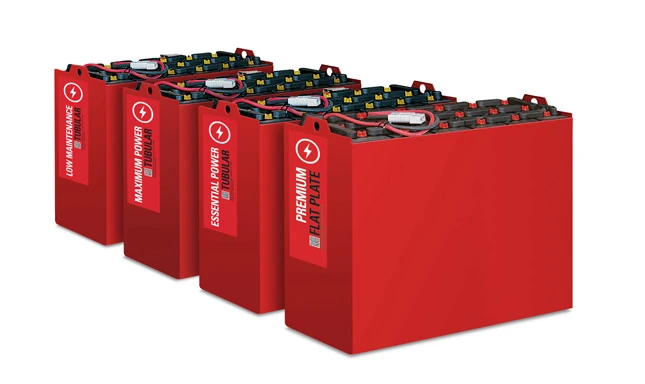
Lead-acid batteries remain a practical choice for moderate utilization, predictable charging routines and fully functional existing infrastructure.Lithium-ion delivers greater value for warehouses losing productivity to frequent battery swaps, routine maintenance, and limited charging windows.Cold storage, narrow aisles and harsh industrial sites call for extra due diligence. Always verify the full forklift and battery configuration, instead of picking a battery type upfront.
The most reliable decision starts with your actual operations: shift patterns, load cycles, energy usage, temperature conditions, charging access and maintenance workload. Match your battery system to these real-world factors.Batteries should adapt to your workflow - never the other way around.